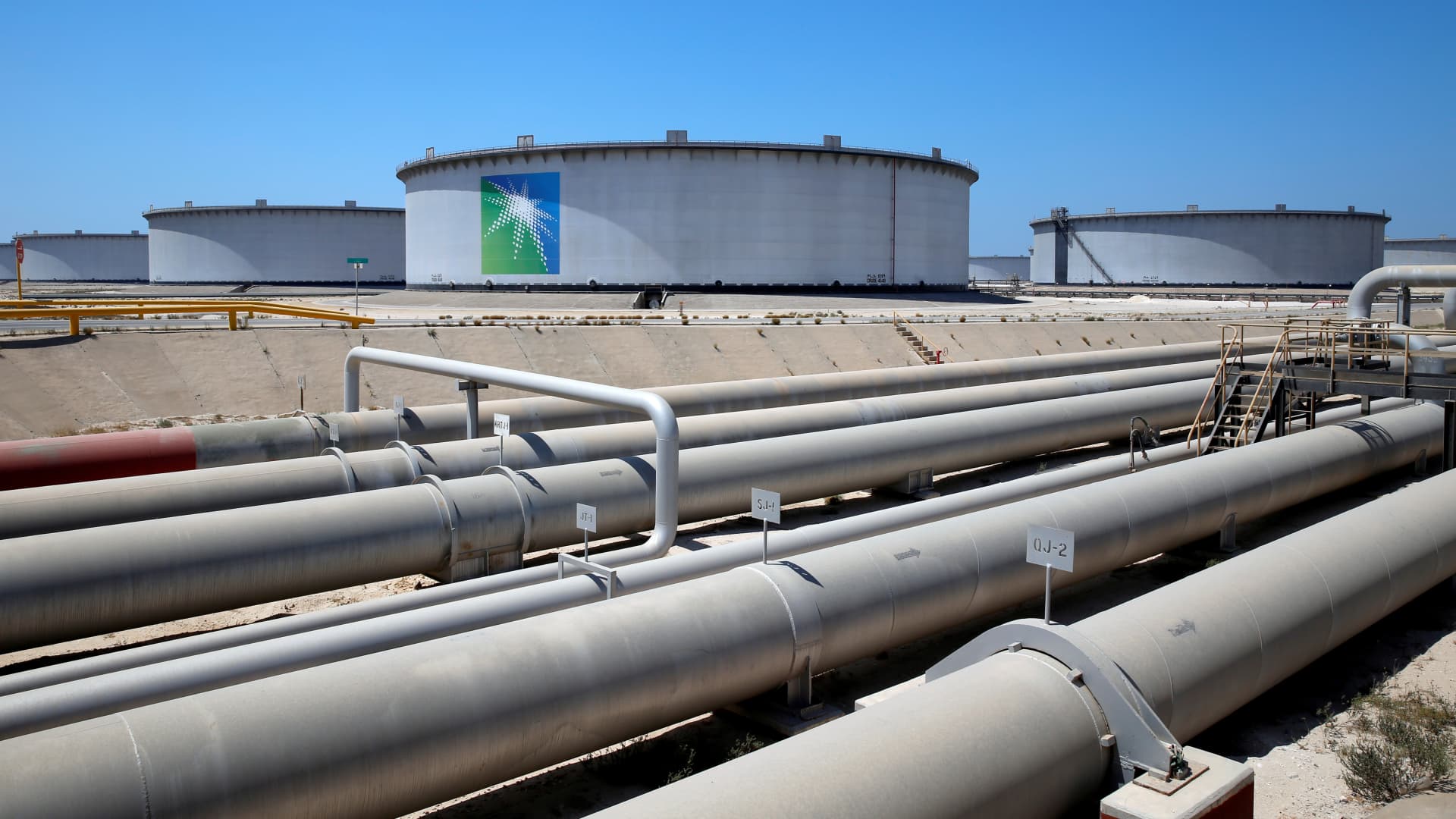
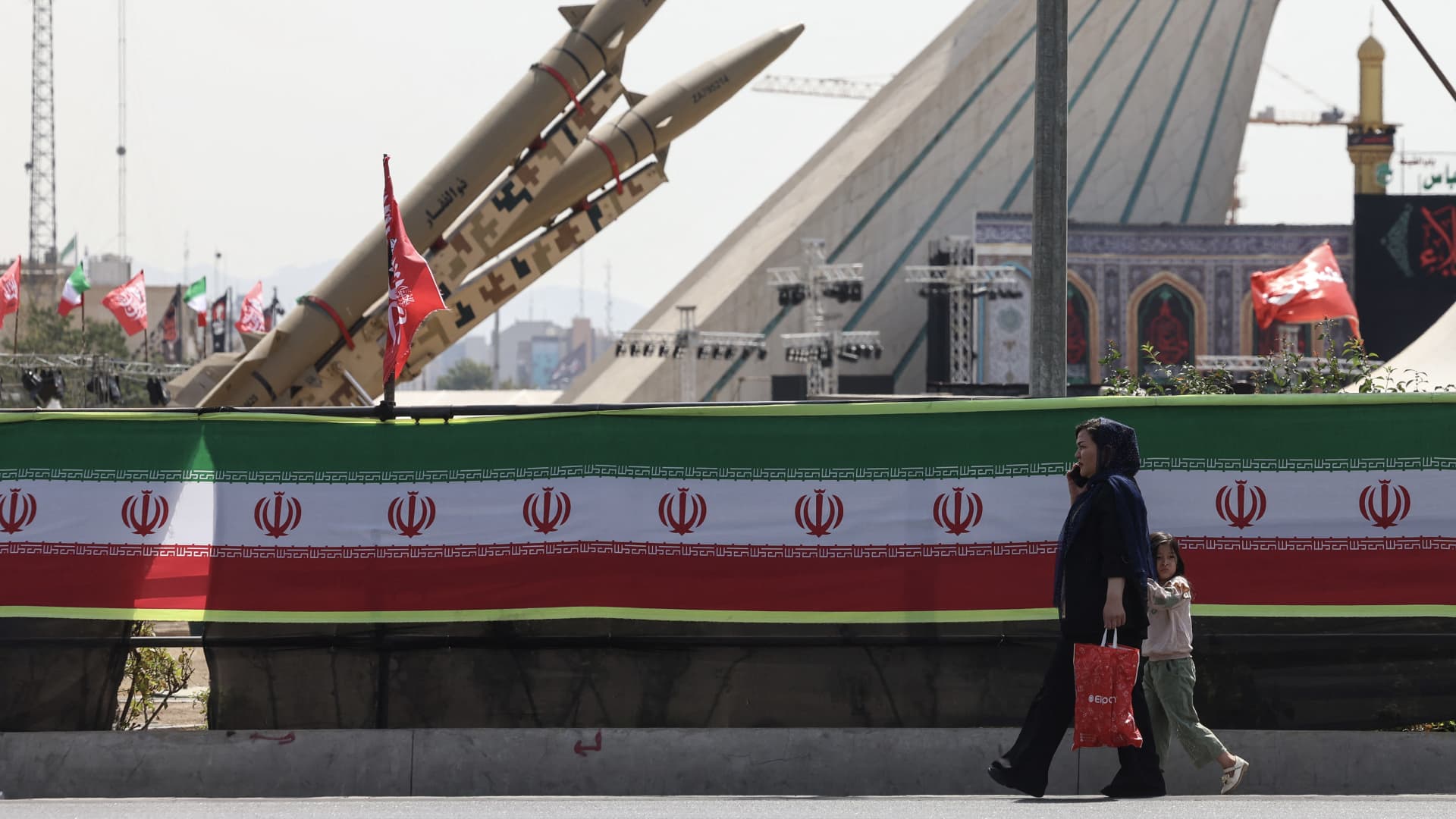
Saudi Aramco posted sharply higher profits in the second quarter of 2026, with the Iran war driving up global oil prices and delivering a windfall to the world's largest oil exporter. The results place Aramco among a group of oil majors reporting outsized quarterly earnings as the conflict squeezes crude supply across a critical producing region.
The Iran war has disrupted oil flows in and around one of the world's most consequential energy corridors. When supply from a major producer is constrained by conflict, global benchmark prices typically rise to reflect the shortfall, and energy companies with large production bases benefit directly through higher revenue per barrel. Aramco, as the dominant force in Saudi Arabia's oil output, is positioned to capture that upside more than almost any other producer.
Why oil majors are reporting blowout quarters
Aramco's results are not an isolated case. Other oil supermajors have also reported what analysts describe as blowout quarters, a phrase that signals earnings well above normal expectations. The common thread is the same: the Iran war has tightened the supply side of the global oil market at a time when demand has not meaningfully fallen. That combination pushes prices up and expands the profit margin on every barrel sold.
Higher oil prices flow through to company revenues almost immediately. Unlike manufacturers, oil producers do not have significant raw material costs that rise in parallel with the sale price. So when crude prices jump, much of the additional revenue converts directly into profit. This mechanism explains why quarterly earnings at major producers can swing so dramatically when geopolitical events alter supply expectations.
Saudi Arabia's government, which owns the vast majority of Saudi Aramco, also benefits indirectly. Oil revenues fund a large portion of the Saudi state budget, and stronger Aramco profits support dividend flows and broader fiscal stability. The kingdom's ability to pursue its Vision 2030 economic diversification agenda depends in part on the cash generated from its oil sector holding up.
What this means for markets and energy users
For financial markets, strong earnings from oil majors confirm that the Iran war is doing what commodity traders had anticipated: tightening supply and elevating prices. That tends to sustain investment interest in energy sector stocks and may keep oil prices elevated as long as the conflict continues or supply routes remain disrupted.
For consumers and businesses that depend on fuel, the picture is less welcome. Higher oil prices feed through into transport costs, manufacturing inputs, and energy bills. Countries that are large net importers of oil, including many in Asia, face rising import bills that can widen trade deficits and add to inflationary pressure.
India, one of the world's largest oil importers, sits in a particularly sensitive position. A sustained period of elevated crude prices increases the cost of the country's energy imports, puts pressure on the rupee, and can push domestic fuel prices higher if subsidies are not expanded to absorb the shock. Indian refiners and petrochemical producers face margin pressure when feedstock costs rise faster than they can pass costs on to end users.
The duration and trajectory of the Iran war will be the main variable to watch. If the conflict eases and supply returns to pre-war levels, price pressures would likely unwind and the current profit windfall for Aramco and its peers would moderate. If the disruption deepens or spreads to additional infrastructure, prices could climb further, making these already strong quarterly results a floor rather than a ceiling for energy sector earnings in 2026.
For now, Aramco's second-quarter results signal that the war premium in oil markets is real, sustained, and translating into concrete financial gains for producers with the capacity and stability to keep output flowing.