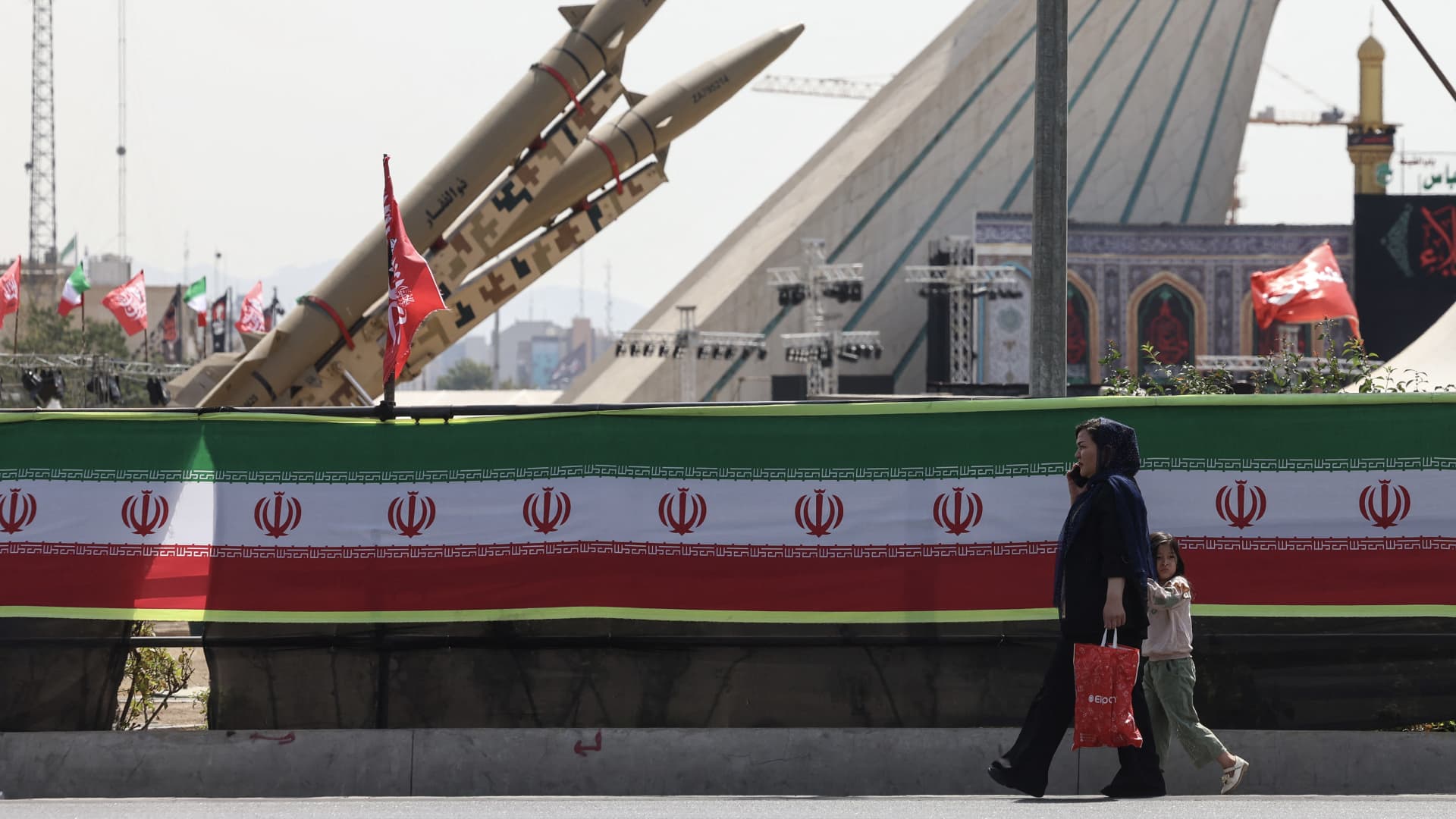
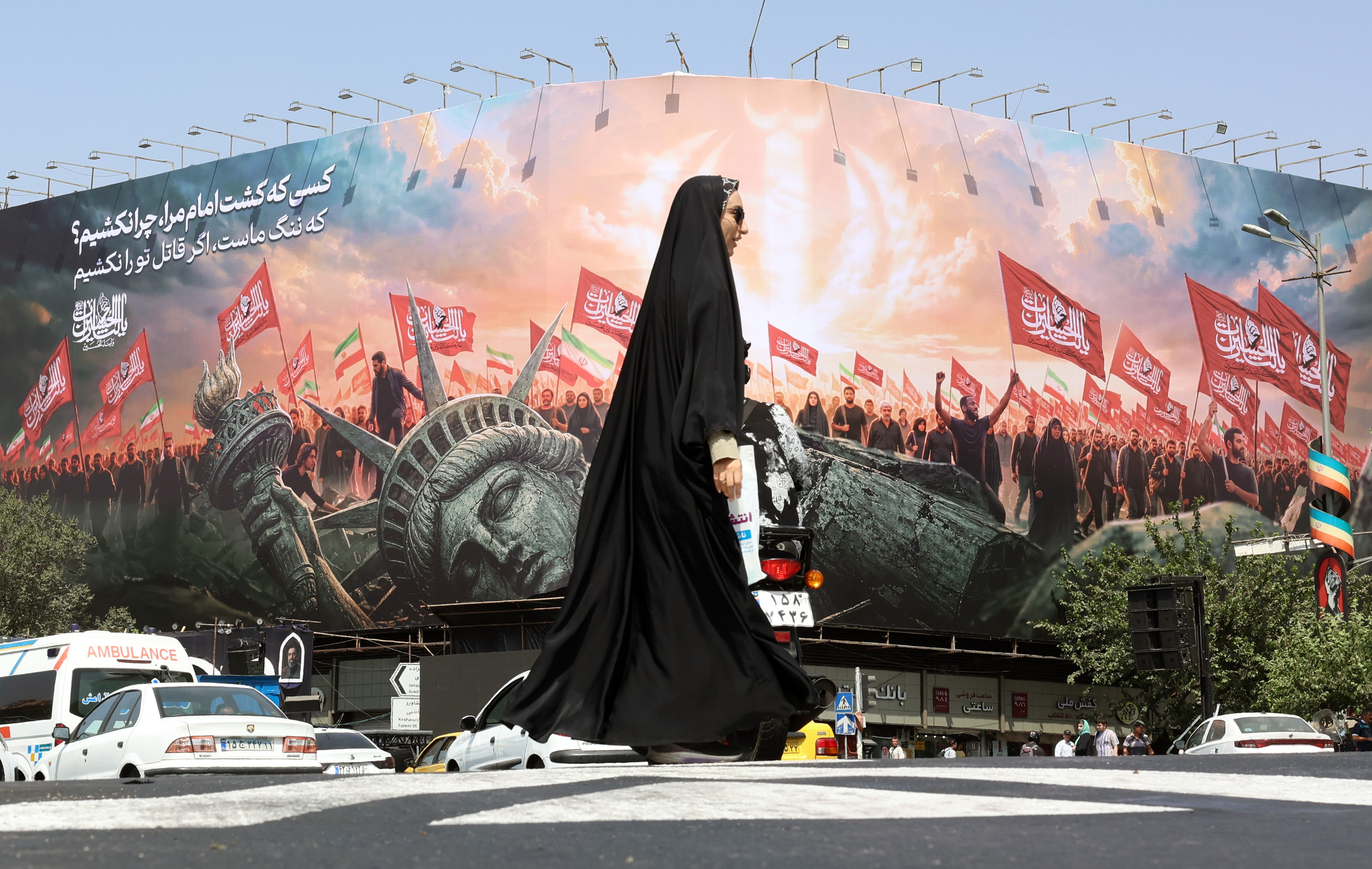
President Donald Trump has declared that the current round of nuclear and conflict negotiations with Iran represents the "last chance" to end a war now five months old, sending oil prices higher as Tehran publicly denied that any formal talks were under way.
The warning carries weight because it signals the White House may be preparing to escalate pressure, militarily or through sanctions, if this negotiating window closes without an agreement. Five months of active conflict has already stressed regional supply routes, and any further deterioration would affect global energy markets directly.
What the market is pricing in
Oil prices rose on the news, a clear sign that traders are treating Trump's "last chance" framing as a genuine escalation signal rather than routine diplomatic noise. When conflict risk in the Middle East rises, oil markets move fast, because the region sits at the center of global crude supply chains. A breakdown in talks would likely push prices higher still, adding to inflation pressure in import-dependent economies including India.
Tehran's denial of negotiations adds a complicating layer. If Iran is publicly rejecting the existence of talks while the White House frames them as a final opportunity, one of two things is true: either back-channel contacts exist that neither side wants to acknowledge openly, or the two governments are operating from fundamentally different assumptions about where diplomacy stands. Either scenario raises the risk of miscalculation.
Why the five-month timeline matters
Five months of conflict is long enough to have reshaped supply chains, military postures, and diplomatic alignments in the region. The longer a conflict runs, the harder the political economy of a ceasefire becomes for both sides. Domestic constituencies harden, costs mount, and the conditions needed to declare any outcome a "win" become more demanding. Trump's language suggests the administration believes the current window is narrow and may not reopen.
For businesses and governments watching from outside the conflict, the immediate question is what happens to energy prices and shipping costs if talks collapse. Middle Eastern crude accounts for a substantial share of global supply, and any sustained disruption to export routes would ripple into fuel costs, freight rates, and broader inflation. Central banks already navigating uncertain rate paths would face additional complexity.
India is particularly exposed. It is one of the largest importers of Middle Eastern crude, and a sustained oil price spike would widen its trade deficit, pressure the rupee, and complicate the Reserve Bank of India's monetary policy calculus. Indian refiners would face higher input costs at a time when domestic fuel pricing is politically sensitive.
The diplomatic gap between Washington and Tehran is not new, but Trump's explicit "last chance" framing raises the stakes of the current moment above typical negotiating posture. Whether that framing is tactical, designed to force concessions, or reflects a genuine policy deadline is not yet clear from available facts. What is clear is that markets have already started pricing in a higher probability of escalation.
The next signal to watch is whether Tehran shifts its public position on the existence of talks, and whether any third-party mediator, such as Oman or Qatar, which have historically served as back channels between the two governments, steps publicly into the frame. Movement on either front would indicate whether this window is real or already closing.