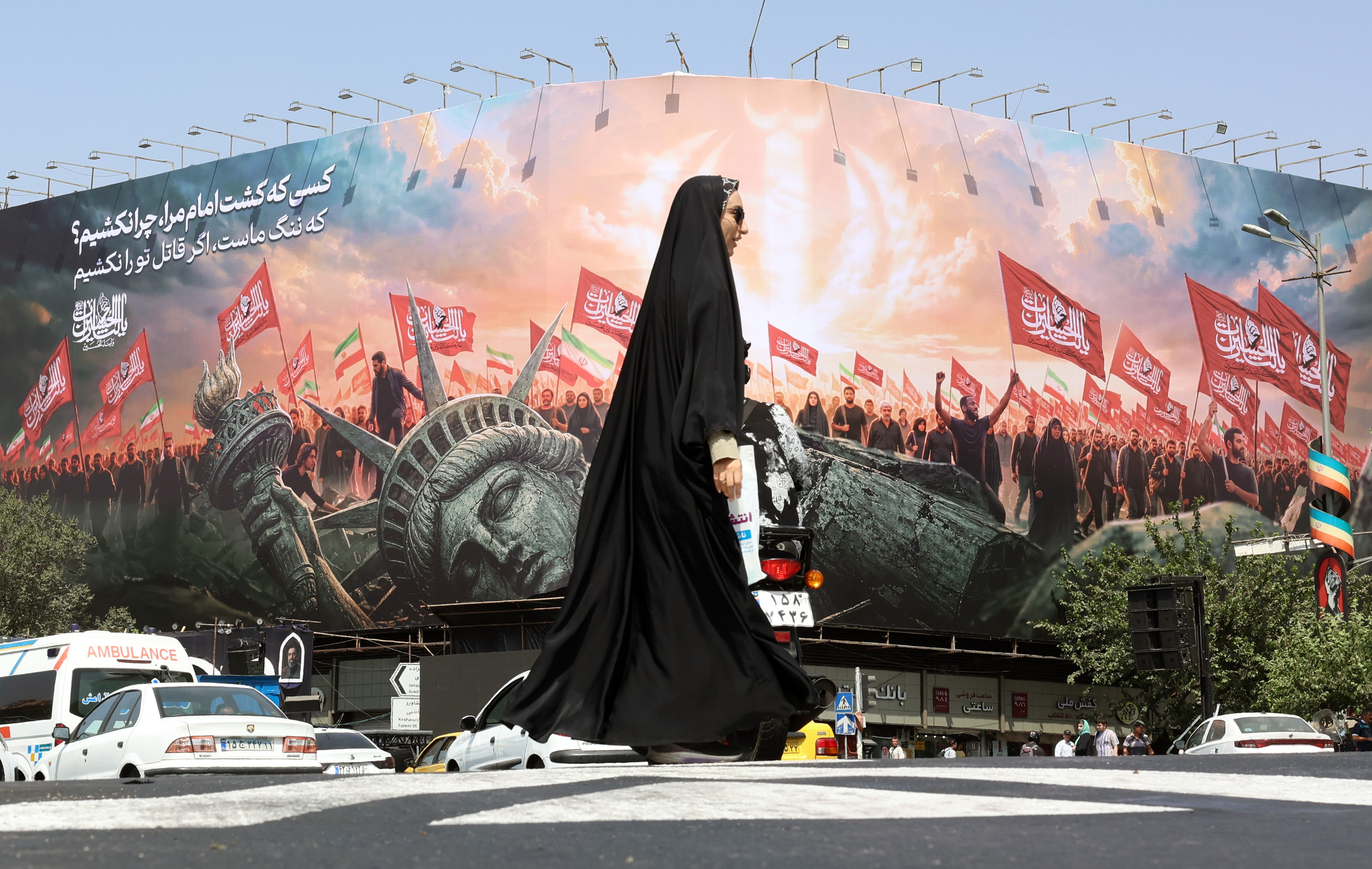
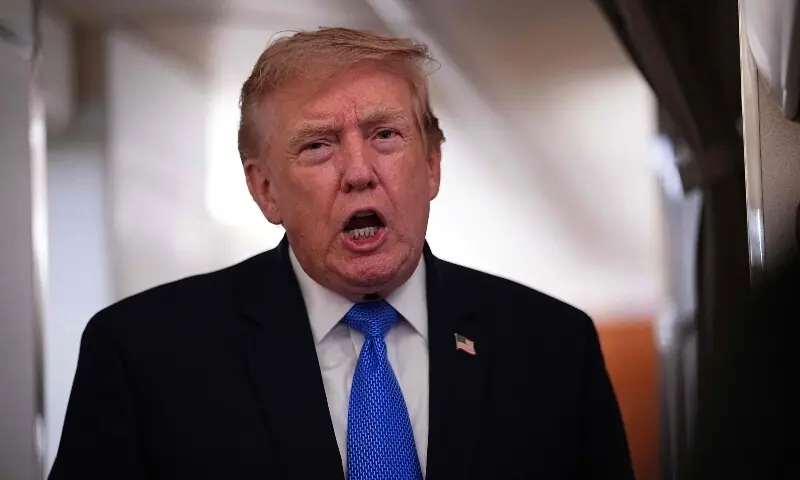
A direct contradiction has opened between Washington and Tehran over whether nuclear talks are actually happening. US President Donald Trump said negotiations with Iran are under way and framed them as Tehran's "last chance" to secure a deal. Iran's government denied that any talks are taking place.
The public disagreement matters because both sides' statements carry real consequences. If Trump is accurate, then a diplomatic channel exists that could shape the trajectory of one of the world's most closely watched security standoffs. If Tehran is correct, then Washington may be overstating progress, which raises the risk of a miscalculation that could escalate tensions sharply.
What Trump Said and What Tehran Rejected
Trump's framing was pointed. He did not describe the negotiations as exploratory or preliminary. He called them ongoing and described them as Iran's "last chance" to reach an agreement, language that signals a hard deadline and implies consequences if talks fail or do not materialise. The White House has not specified a timeline or the format of any discussions.
Iran's government flatly denied the talks exist. That denial, made publicly, is not a minor diplomatic quibble. Governments in the region and major powers watching the standoff, including China, Russia, and European states, now have to assess which version of events is accurate before they can calibrate their own positions.
The gap between the two accounts also creates a credibility problem in real time. Either Trump is characterising private or indirect contacts as formal negotiations, or Tehran is publicly rejecting a process it is privately engaged in. Both scenarios carry their own risks for how the standoff evolves.
Why the Framing of "Last Chance" Matters
Trump's choice of words is significant beyond rhetoric. "Last chance" language in a nuclear standoff is typically a precursor to one of two outcomes: a deal reached under pressure, or an escalation when the deadline passes without agreement. It also constrains both sides. Iran cannot easily return to talks after publicly denying they exist without a visible face-saving mechanism. The US cannot easily walk back a "last chance" framing without appearing to have made an empty threat.
For global energy markets, the standoff carries direct weight. Iran holds significant oil reserves, and any military escalation or tightening of sanctions would affect crude supply and pricing. Brent crude and regional shipping costs tend to move on Iran-related headlines, and the contradiction between the two governments' accounts introduces a fresh layer of uncertainty for traders and buyers.
Geopolitically, the moment arrives at a point when US foreign policy attention is already stretched. A breakdown in any back-channel process with Iran would put pressure on Gulf allies, particularly Saudi Arabia and the UAE, which have their own recent diplomatic engagements with Tehran and would face uncomfortable choices if the situation deteriorates.
Israel's posture is also relevant. Israeli officials have consistently stated they will not allow Iran to reach nuclear weapons capability, and an apparent collapse of diplomacy would likely harden that position and increase the probability of Israeli military planning intensifying.
For now, the practical question is whether any third party, such as Oman, which has historically served as a backchannel between Washington and Tehran, or another intermediary, can clarify what contacts are actually occurring. Past Iran negotiations, including those that led to the 2015 Joint Comprehensive Plan of Action, involved long periods of quiet diplomacy before any public acknowledgment.
What to watch: whether either government moves to clarify or walk back its position in the coming days, whether any intermediary country confirms or denies a role, and whether Trump sets a specific deadline that would give the "last chance" warning a concrete meaning. Markets and regional governments will be reading those signals carefully.