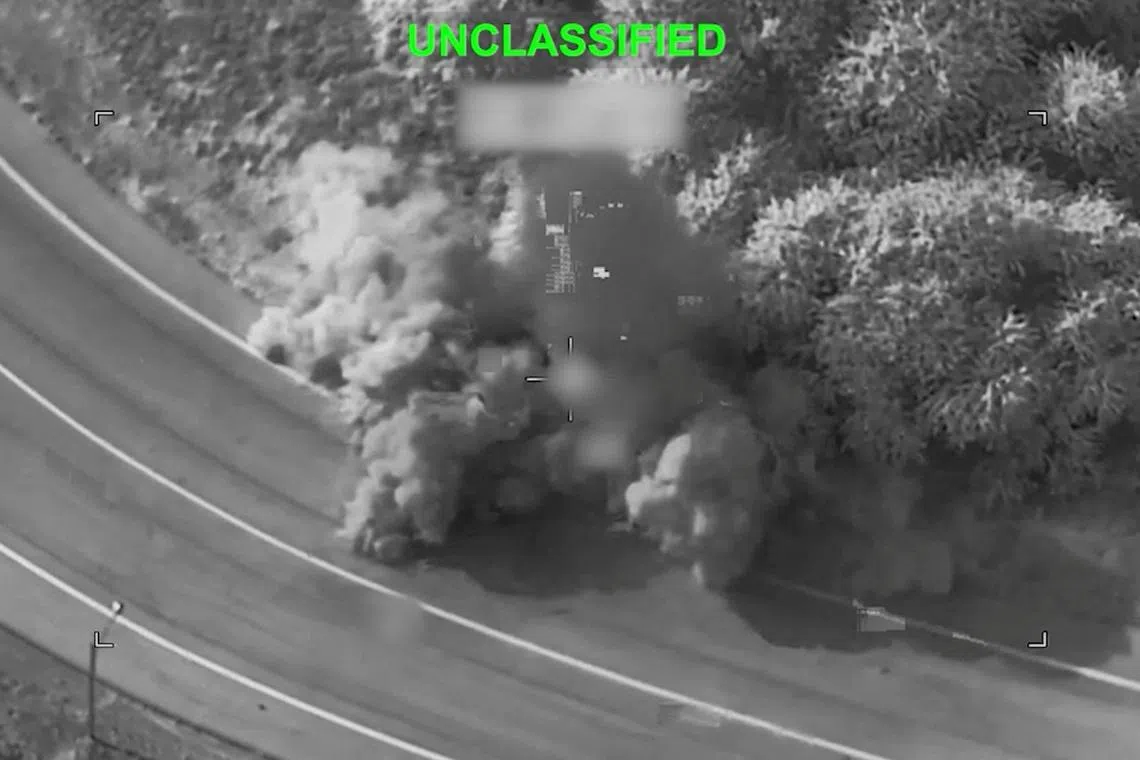
Iran launched fresh attacks on U.S. facilities in the Gulf on Friday, marking the sixth consecutive day of direct military exchanges between the two countries. The strikes and counterstrikes signal a complete breakdown of a ceasefire reached last month, which has now given way to a cycle of daily attacks on both sides.
Iran said its forces targeted U.S. facilities in the Gulf region, responding to a sixth consecutive night of U.S. strikes on Iranian military installations. The pattern, six nights of American strikes met with Iranian counterattacks each day, suggests neither side has found a reason to stop or a face-saving exit that satisfies domestic and strategic needs.
From Truce to Daily Exchanges
The ceasefire struck last month appears to have collapsed entirely. What began as a pause in hostilities has descended into an almost mechanical cycle: U.S. strikes on Iranian military targets through the night, Iranian responses against U.S. Gulf facilities the following day. The speed of that deterioration, from truce to daily military exchanges within weeks, points to deep unresolved disputes beneath the surface of any formal pause.
The Gulf region hosts major U.S. military installations, naval assets, and allied bases critical to American force projection across the Middle East. Iranian attacks on those facilities carry direct escalation risk, since any strike that causes American casualties could trigger a significantly larger U.S. response. Conversely, sustained U.S. strikes on Iranian military infrastructure put pressure on Tehran to escalate rather than absorb losses in silence, particularly in front of a domestic audience.
Why It Matters for Markets and the Region
The Gulf is one of the world's most critical energy corridors. Sustained military activity in and around the region puts shipping routes, oil infrastructure, and export flows at risk. Oil markets are highly sensitive to any escalation that threatens Gulf transit, including the Strait of Hormuz, through which a significant share of global crude supply passes. Prolonged conflict also raises insurance and shipping costs across the region, with knock-on effects for energy prices globally, including in India, which relies heavily on Gulf oil imports.
For U.S. allies and partner nations in the Gulf, the situation creates pressure to review base security, troop exposure, and their own diplomatic positioning between Washington and Tehran. Countries that host American forces are directly exposed to Iranian retaliatory targeting, which complicates their room to maneuver diplomatically.
The broader Middle East security architecture, already strained by conflicts elsewhere in the region, faces additional stress. Proxy networks aligned with Iran across Iraq, Syria, Yemen, and Lebanon may be activated or emboldened depending on how the direct Iran-U.S. military exchange evolves.
What to watch next: whether either side signals a willingness to return to negotiations or impose conditions for a new ceasefire, whether Iranian strikes cause casualties at U.S. facilities (which would represent a significant threshold crossing), and how Gulf states respond to sustained military activity near their territory and infrastructure. Any formal U.S. or Iranian statement framing conditions for de-escalation would be the first meaningful signal that the cycle is nearing a pause.