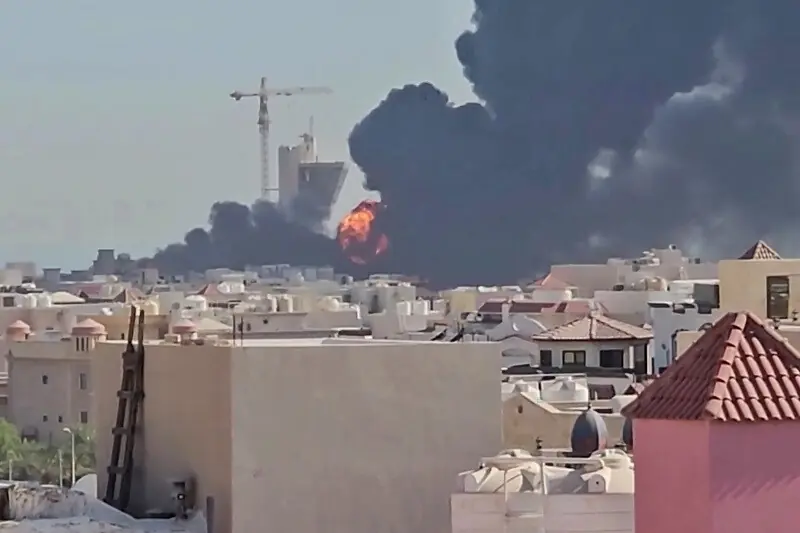
The United States launched a new wave of airstrikes against Iran on July 19, 2026, marking the sixth consecutive day of military strikes. The US stated its attacks are aimed at further degrading Iranian military capabilities, as explosions were reported across Iran.
This is the latest escalation in what has become a sustained American air campaign. Six straight days of strikes signals a deliberate, extended operation rather than a one-off retaliatory action, which carries significant implications for the broader Middle East and global energy markets.
What the US is targeting
Washington has framed the campaign explicitly around degrading Iran's military capacity. That phrasing typically covers air defense systems, missile stockpiles, command infrastructure, and military bases. A six-day pattern suggests the US is working through a prioritized target list rather than responding to a single provocation, though the specific targets in this latest wave have not been fully confirmed in official disclosures.
Iran has not yet publicly detailed the damage from this latest round of strikes. Blasts were reported across the country, but the locations and severity are still being assessed. The scale of the campaign, sustained over nearly a week, points to a significant military operation with scope beyond a symbolic strike.
Why it matters for markets and the region
A prolonged US military campaign against Iran carries direct consequences for oil markets. Iran is a major crude oil producer and sits along the Strait of Hormuz, through which roughly 20 percent of global oil supply passes. Any disruption to shipping lanes or Iranian output would tighten global supply quickly and push prices higher, affecting fuel costs, transport, and inflation in economies worldwide.
For the broader Middle East, a sixth day of fighting raises the risk of wider escalation. Iran-aligned groups across the region, including in Iraq, Yemen, Lebanon, and Syria, could respond in ways that draw in additional actors and complicate any path toward a ceasefire. The duration of the campaign also increases the probability of Iranian retaliation against US assets or partner nations in the region.
Diplomatically, a sustained American air campaign makes near-term negotiations far harder to initiate. Every additional day of strikes narrows the space for back-channel contacts and raises the domestic political cost for any Iranian leadership willing to talk. For US partners in the Gulf, the strikes create pressure to publicly align or distance themselves, which carries its own set of economic and security trade-offs.
Global financial markets are watching closely. Prolonged conflict near the Strait of Hormuz tends to lift oil prices, boost defense stocks, and push investors toward safe-haven assets like gold and US Treasuries. Currency markets in emerging economies with high oil import bills, including India, could face added pressure if crude prices spike.
What to watch in the coming days: whether Iran mounts a direct military response, whether any allied groups escalate activity, and whether a third-party mediator such as Qatar or Oman signals any diplomatic opening. The trajectory of the campaign over the next 48 to 72 hours will determine whether this remains a targeted degradation effort or widens into a broader conflict.