
Qatar Signals Progress in US-Iran War Talks
Qatar's foreign ministry said mediators including Qatar, Pakistan, and Oman have reached "very progressive stages" in efforts to end the US-Iran war, pushing Brent crude down more than four percent.
Key Takeaways
July 6, 2026 · 4 min read · By Rishabh Bhardwaj
·
AI-assisted, human-reviewed · Our editorial standards
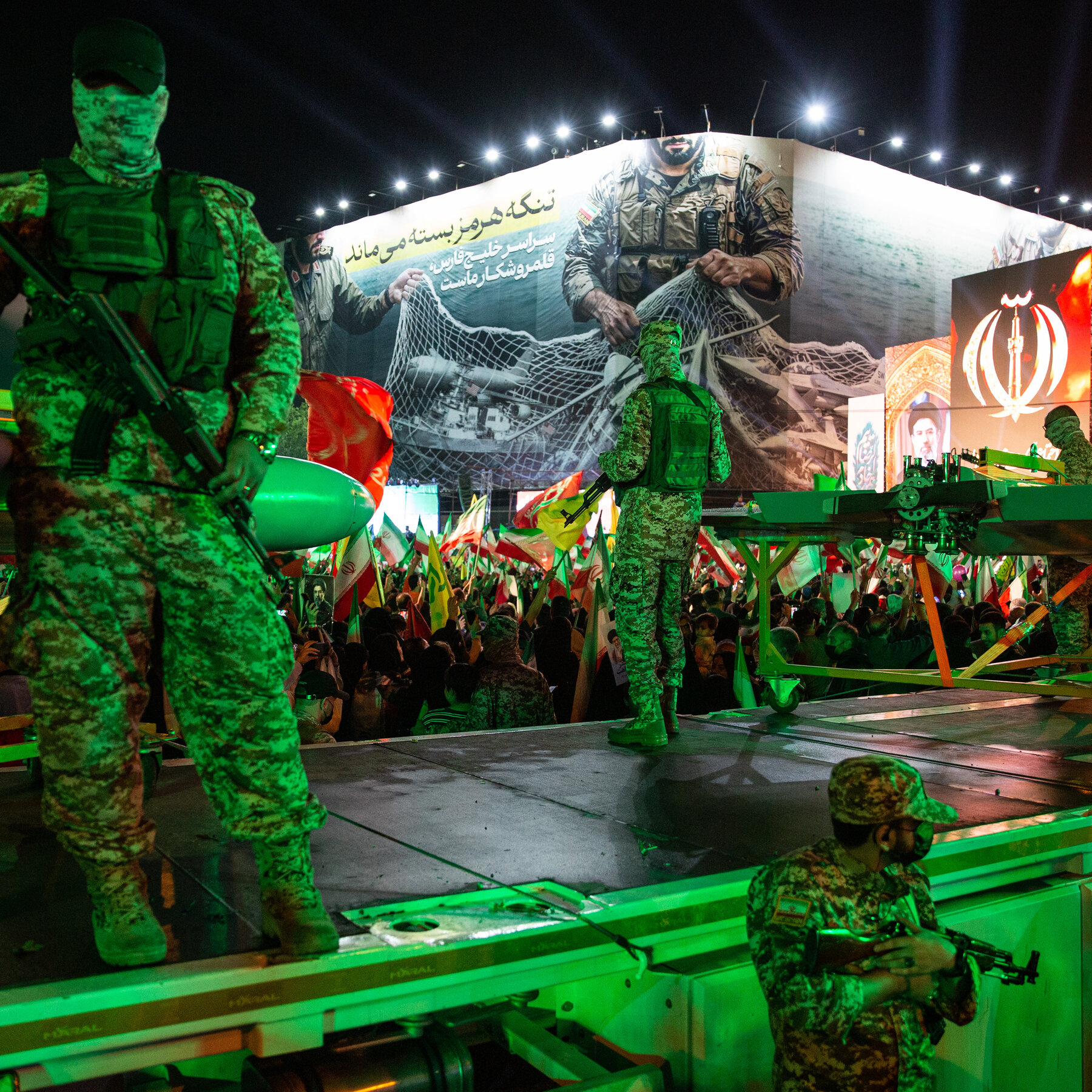
As American and Iranian negotiators edge toward a potential nuclear deal, the United States faces an Iran that has been transformed by war and conflict yet, paradoxically, feels more confident about resisting external pressure than it did before.
The key shift is in Tehran's leadership calculus. Iran's current government believes it has already absorbed the most severe military and economic punishment that the United States and Israel can realistically deliver. That belief, whether accurate or not, fundamentally changes the negotiating dynamic. A party that thinks it has seen the worst tends to concede less.
The conflict has also produced what amounts to regime change in Iran, though not the kind Washington once hoped for. The leaders now running the country are assessed as more risk-tolerant than their predecessors, willing to accept costs and confrontations that earlier Iranian governments would have avoided. This is not a weakened Iran looking for an exit. It is an Iran that has recalibrated what it can survive.
For years, the American strategy toward Iran rested on a core assumption: that enough economic pain through sanctions, combined with the credible threat of military force, would eventually compel Tehran to make meaningful concessions on its nuclear program. That model worked, partially, in the 2015 agreement. But the current Iranian leadership appears to have drawn a different lesson from the years since, particularly from the direct military exchanges with Israel and the sustained sanctions pressure.
When a government has already faced strikes on its territory and seen its economy operate under some of the world's tightest restrictions, the threat of more of the same loses deterrent weight. The marginal cost of saying no to a deal looks smaller when you believe you have already paid most of the price for defiance. This is the core problem now facing American negotiators.
The war has also shifted Iran's internal politics in ways that make compromise harder to sell domestically. Leaders who came to power partly by projecting toughness have less room to accept terms that can be framed as capitulation. Any deal they sign will be scrutinized fiercely by rivals looking for an opening to accuse them of weakness.
A deal is described as seemingly close, which suggests active talks and some convergence on terms. But closeness in diplomacy does not guarantee closure, especially when one side's risk appetite has grown. The United States would be negotiating with an Iran that feels it is bargaining from a position of demonstrated resilience rather than exhaustion.
For any agreement to hold, it would need to offer Iran something genuinely valuable, not merely the lifting of pressure it has already learned to endure. That likely means the economic terms of any deal need to be substantial enough to represent a real positive gain, not just relief from pain that Tehran has normalized.
From a global perspective, the outcome matters well beyond the two countries directly involved. A nuclear agreement that caps Iran's program has broad implications for regional stability across the Middle East, for energy markets given Iran's oil reserves, and for the broader architecture of nuclear non-proliferation. A collapse of talks, on the other hand, leaves open the question of how far Iran's nuclear program advances and what responses that might eventually trigger.
The immediate variable to watch is whether negotiators can bridge the gap between what Iran's new, more confident leadership is willing to accept and what the United States and its partners consider a meaningful, verifiable constraint on Tehran's nuclear ambitions. The psychology of the table has changed. Whether the diplomacy can adapt to that is the open question.
Qatar's foreign ministry said mediators including Qatar, Pakistan, and Oman have reached "very progressive stages" in efforts to end the US-Iran war, pushing Brent crude down more than four percent.
Qatar confirmed it is mediating between the US and Iran but said no direct talks are currently planned. The clarification follows conflicting statements from President Trump, who claimed talks are under way, and Tehran, which denied any dialogue is happening.
Saudi Aramco reported sharply higher second-quarter 2026 profits as the Iran war restricts global oil supply and pushes crude prices up. Other oil supermajors also posted outsized earnings, raising concerns about sustained fuel cost pressure for importing economies.
President Trump called current Iran negotiations the "last chance" to end five months of conflict, pushing oil prices higher. Tehran denied formal talks are taking place, raising the risk of a diplomatic breakdown with direct consequences for global energy markets.