
Qatar Signals Progress in US-Iran War Talks
Qatar's foreign ministry said mediators including Qatar, Pakistan, and Oman have reached "very progressive stages" in efforts to end the US-Iran war, pushing Brent crude down more than four percent.
Key Takeaways
July 5, 2026 · 3 min read · By Rishabh Bhardwaj
·
AI-assisted, human-reviewed · Our editorial standards
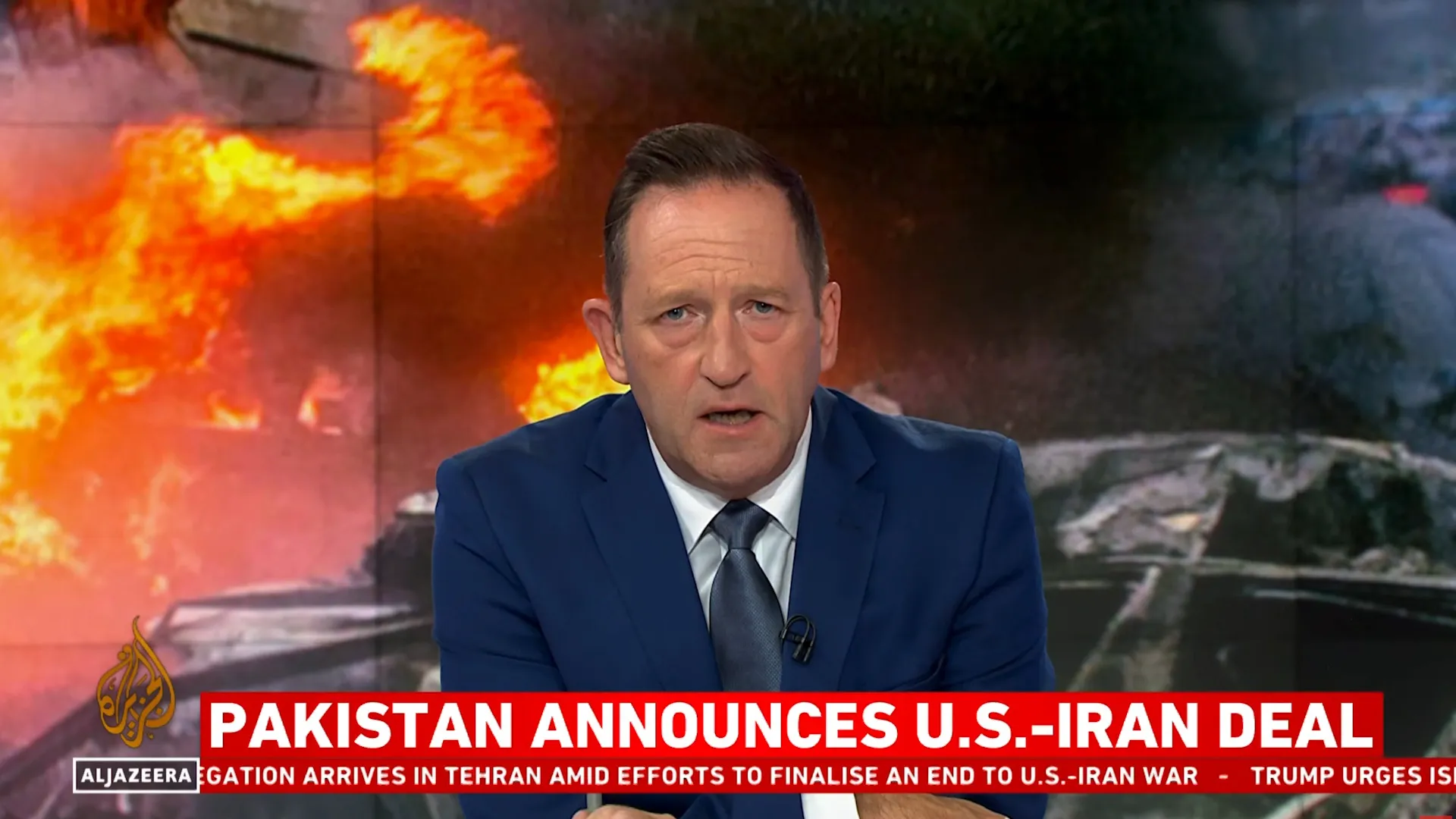
The United States and Iran have announced a ceasefire agreement, with President Donald Trump making the declaration. The deal marks a significant shift in one of the most consequential and long-running geopolitical rivalries in the world.
Details of the agreement are sparse at this stage. Trump made the announcement, but the specific terms, duration, scope, and any verification mechanisms have not been publicly disclosed from the available information. It is not yet clear whether the ceasefire covers direct hostilities, proxy conflicts, or both, nor which third parties, if any, helped broker the deal.
The US-Iran relationship has been defined for decades by sanctions, proxy warfare across the Middle East, disputes over Iran's nuclear program, and periodic direct military confrontation. A ceasefire, even a limited one, would represent a meaningful pause in that cycle of escalation.
Markets respond quickly to shifts in US-Iran tensions because the two countries sit at the center of several pressure points: global oil supply, regional security in the Middle East, and the broader question of nuclear nonproliferation. Iran is a major oil producer, and any reduction in the threat of conflict in the Gulf region tends to ease supply-risk premiums built into crude prices.
For India, the stakes are direct. India is one of the largest buyers of Middle Eastern oil, and a sustained reduction in Gulf tensions could ease energy import costs. Iran also connects to India's strategic interests through the Chabahar port agreement and regional trade routes. A more stable Iran-US dynamic could reopen trade and investment corridors that sanctions had effectively closed.
On the global stage, a ceasefire between Washington and Tehran could shift the calculus for US allies and adversaries alike. It may reduce pressure on Israel, which has been operating under the threat of Iranian retaliation. It could also affect the posture of Iran-backed groups across Lebanon, Iraq, Syria, and Yemen, though whether a US-Iran ceasefire translates into reduced proxy activity depends entirely on the terms, which remain unknown.
The nuclear dimension is the most consequential unknown. Iran's uranium enrichment program has been a central point of contention since the collapse of the 2015 Joint Comprehensive Plan of Action. If this ceasefire is linked to any nuclear understanding, it could have far-reaching effects on nonproliferation diplomacy and on the threat environment for the broader region.
For energy markets, the announcement alone is likely to move oil prices. Brent crude and WTI futures tend to price in geopolitical risk from the Gulf, and a credible ceasefire signal from the US president typically triggers a sell-off in that risk premium, at least in the short term.
What to watch next: the specific terms of the agreement, Iran's official confirmation and framing of the deal, any response from Israel or Gulf states, and whether the ceasefire is tied to nuclear negotiations or broader diplomatic normalization. Congressional reaction in the US will also matter, since any durable arrangement with Iran would face scrutiny from both parties on Capitol Hill.
This is a developing story. Key details including the scope, conditions, and duration of the ceasefire have not yet been confirmed from named official sources beyond Trump's announcement.
Qatar's foreign ministry said mediators including Qatar, Pakistan, and Oman have reached "very progressive stages" in efforts to end the US-Iran war, pushing Brent crude down more than four percent.
Qatar confirmed it is mediating between the US and Iran but said no direct talks are currently planned. The clarification follows conflicting statements from President Trump, who claimed talks are under way, and Tehran, which denied any dialogue is happening.
Saudi Aramco reported sharply higher second-quarter 2026 profits as the Iran war restricts global oil supply and pushes crude prices up. Other oil supermajors also posted outsized earnings, raising concerns about sustained fuel cost pressure for importing economies.
President Trump called current Iran negotiations the "last chance" to end five months of conflict, pushing oil prices higher. Tehran denied formal talks are taking place, raising the risk of a diplomatic breakdown with direct consequences for global energy markets.