
Qatar Signals Progress in US-Iran War Talks
Qatar's foreign ministry said mediators including Qatar, Pakistan, and Oman have reached "very progressive stages" in efforts to end the US-Iran war, pushing Brent crude down more than four percent.
Key Takeaways
July 5, 2026 · 3 min read · By Rishabh Bhardwaj
·
AI-assisted, human-reviewed · Our editorial standards
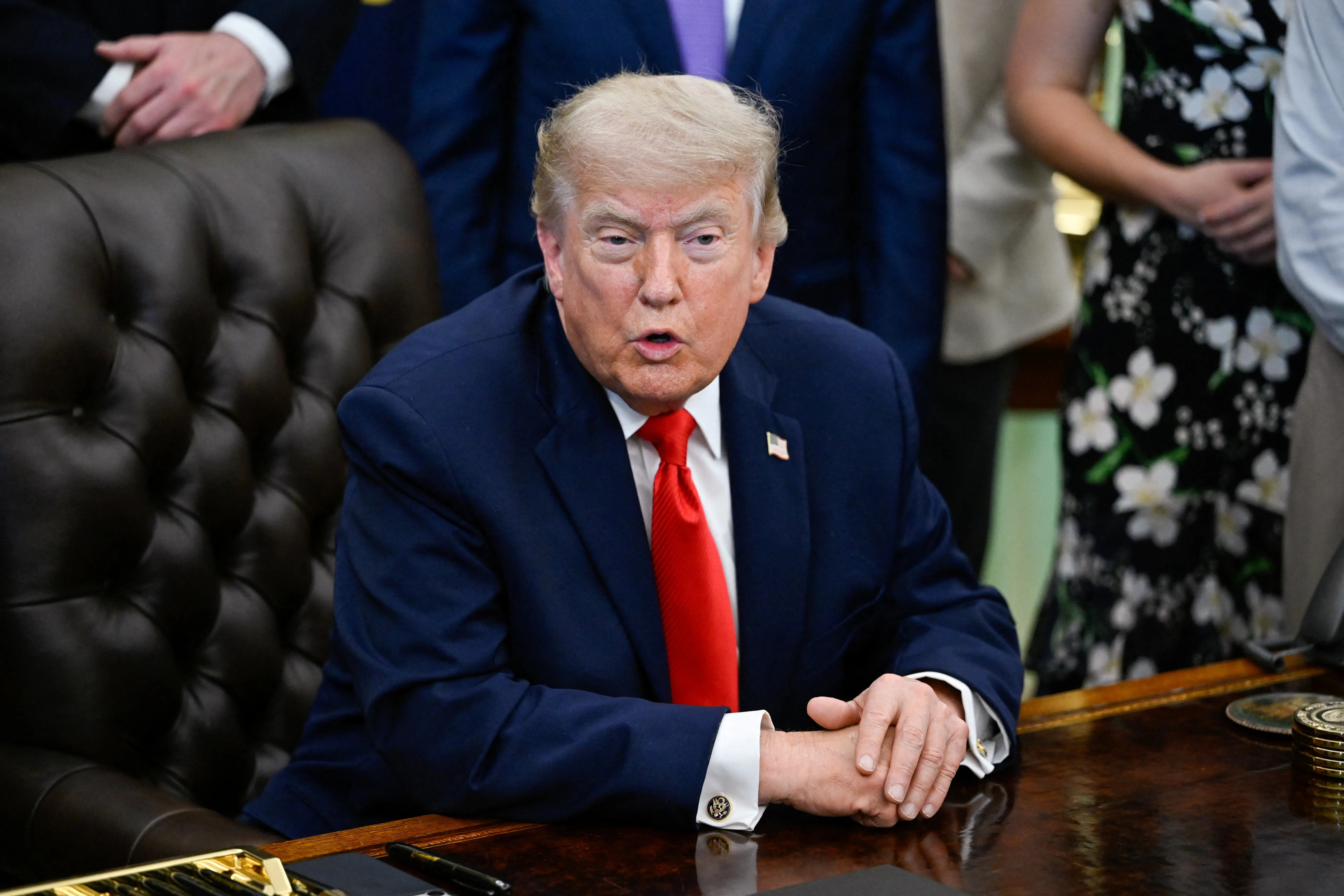
US President Donald Trump has announced a ceasefire agreement with Iran, saying the Strait of Hormuz will reopen for international shipping. The announcement ends a period of acute tension that had effectively closed one of the world's most critical oil and gas transit routes.
The Strait of Hormuz is the narrow waterway between Iran and Oman through which roughly 20 percent of global oil supply passes each day. When Iran signals it may block or restrict that passage, energy markets react immediately because there is no fast alternative for the volume of crude, liquefied natural gas, and petroleum products that move through it. A confirmed reopening removes a significant supply-risk premium that traders had priced into oil contracts.
Oil prices had been elevated partly because of the threat to Hormuz traffic. With Trump confirming the strait will reopen, traders can expect that premium to unwind quickly. Tanker operators, shipping insurers, and buyers of Middle Eastern crude all face an immediate repricing. War-risk insurance surcharges that had been applied to vessels transiting the region are likely to fall as the ceasefire holds.
Asian economies, which are the largest buyers of Gulf crude, stand to benefit most directly. Countries like India, China, Japan, and South Korea depend heavily on uninterrupted Hormuz passage for their energy security. Any sustained closure forces them to source oil from more distant and expensive alternatives, raising fuel and manufacturing costs. A reopening eases that pressure fast.
For India in particular, the stakes are high. India imports a large share of its crude oil from Gulf producers including Saudi Arabia, the UAE, and Iraq, all of which ship through the strait. Indian refiners had been exposed to both supply uncertainty and elevated freight costs during the period of tension. The ceasefire announcement directly reduces that exposure.
A US-Iran ceasefire, if it holds, marks a significant departure from the confrontational posture that has defined relations between Washington and Tehran for years. The deal suggests both sides found sufficient common ground to step back from a conflict that had escalated to the point of disrupting global energy flows.
The practical enforcement of any ceasefire in this context will matter as much as the announcement itself. Hormuz can only fully reopen if Iranian naval and military activity in and around the strait normalizes, and if commercial vessels and their insurers feel confident enough to resume standard routing. That confidence typically builds gradually as traffic resumes without incident.
Markets will also be watching whether the ceasefire holds beyond the initial announcement. Past US-Iran tensions have seen sharp de-escalation followed by renewed friction. The durability of this agreement, and whether it is tied to broader diplomatic conditions such as limits on Iran's nuclear program or sanctions relief, will determine how far and how fast the geopolitical risk premium in energy prices unwinds.
For now, the announcement alone is enough to shift sentiment. Shipping companies, oil traders, and energy importers will be moving quickly to reassess routes, contracts, and hedging positions in light of what Trump has described as a done deal.
Qatar's foreign ministry said mediators including Qatar, Pakistan, and Oman have reached "very progressive stages" in efforts to end the US-Iran war, pushing Brent crude down more than four percent.
Qatar confirmed it is mediating between the US and Iran but said no direct talks are currently planned. The clarification follows conflicting statements from President Trump, who claimed talks are under way, and Tehran, which denied any dialogue is happening.
Saudi Aramco reported sharply higher second-quarter 2026 profits as the Iran war restricts global oil supply and pushes crude prices up. Other oil supermajors also posted outsized earnings, raising concerns about sustained fuel cost pressure for importing economies.
President Trump called current Iran negotiations the "last chance" to end five months of conflict, pushing oil prices higher. Tehran denied formal talks are taking place, raising the risk of a diplomatic breakdown with direct consequences for global energy markets.