
Qatar Signals Progress in US-Iran War Talks
Qatar's foreign ministry said mediators including Qatar, Pakistan, and Oman have reached "very progressive stages" in efforts to end the US-Iran war, pushing Brent crude down more than four percent.
Key Takeaways
May 1, 2026 · 2 min read · By Rishabh Bhardwaj
·
AI-assisted, human-reviewed · Our editorial standards
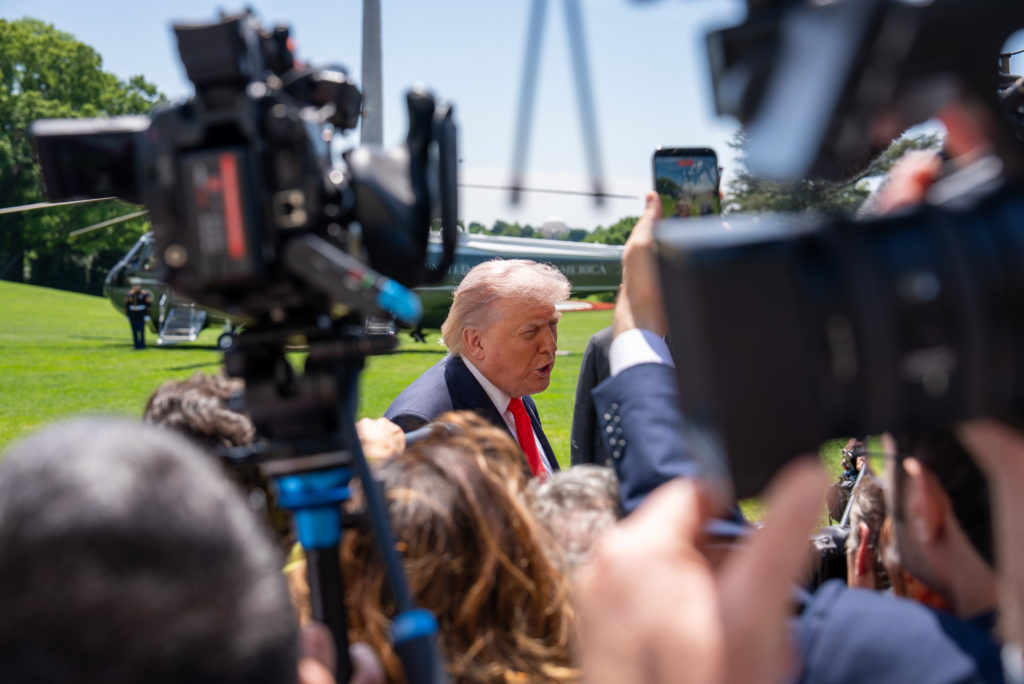
President Donald Trump said in a social media post that he has raised tariffs on automobiles imported from the European Union to 25%, accusing the EU of failing to honor what he described as a fully agreed trade deal.
Trump did not specify what obligations the EU had allegedly broken, nor did he provide a timeline for when the higher tariff takes effect or whether it applies immediately. The post offered no supporting detail about the nature of the deal he referenced.
A 25% tariff on EU-made cars is a significant cost increase for European automakers that export to the United States. Companies like Volkswagen, BMW, Mercedes-Benz, and Stellantis ship large volumes of vehicles to American buyers. A tariff at this level would either compress their margins if they absorb the cost, or push up sticker prices for US consumers if they pass it through.
European automakers already faced earlier rounds of tariff pressure from the Trump administration. A jump to 25% would represent one of the steeper trade barriers placed on passenger vehicles from a major trading partner in recent memory.
The claim that a deal was already in place but the EU is not complying adds a diplomatic dimension beyond a straightforward tariff increase. If the US position is that an agreement exists and has been violated, it sets up a different negotiating dynamic than a fresh dispute, it frames the EU as a party in breach rather than a partner still at the table.
The EU has previously signaled it would respond to US tariffs with countermeasures of its own, targeting American exports. A fresh escalation at this scale could accelerate that response.
The lack of detail in Trump's post makes it hard to assess the legal or procedural basis for the tariff change, or whether formal rulemaking steps have been completed. Clarity on the effective date and product scope will be the first things markets and automakers will look for.
Qatar's foreign ministry said mediators including Qatar, Pakistan, and Oman have reached "very progressive stages" in efforts to end the US-Iran war, pushing Brent crude down more than four percent.
Qatar confirmed it is mediating between the US and Iran but said no direct talks are currently planned. The clarification follows conflicting statements from President Trump, who claimed talks are under way, and Tehran, which denied any dialogue is happening.
Saudi Aramco reported sharply higher second-quarter 2026 profits as the Iran war restricts global oil supply and pushes crude prices up. Other oil supermajors also posted outsized earnings, raising concerns about sustained fuel cost pressure for importing economies.
President Trump called current Iran negotiations the "last chance" to end five months of conflict, pushing oil prices higher. Tehran denied formal talks are taking place, raising the risk of a diplomatic breakdown with direct consequences for global energy markets.