
Qatar Signals Progress in US-Iran War Talks
Qatar's foreign ministry said mediators including Qatar, Pakistan, and Oman have reached "very progressive stages" in efforts to end the US-Iran war, pushing Brent crude down more than four percent.
Key Takeaways
May 2, 2026 · 2 min read · By Rishabh Bhardwaj
·
AI-assisted, human-reviewed · Our editorial standards
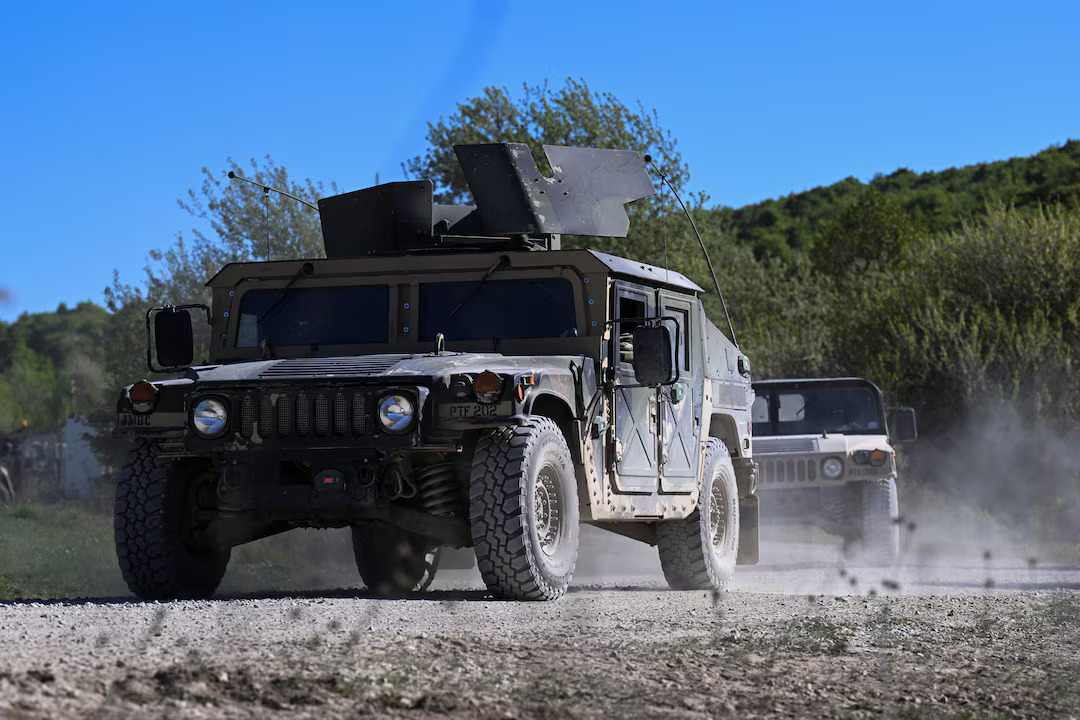
The United States is withdrawing 5,000 troops from Germany, according to US officials. The move marks a tangible step in the Trump administration's reassessment of America's military footprint in Europe, which has been a recurring pressure point in transatlantic relations.
Germany hosts the largest concentration of US forces in Europe, making the scale of this drawdown significant. American troops based there serve multiple roles: they anchor NATO's eastern flank, support rapid deployment to flashpoints, and act as a forward logistics hub for operations across the continent and into the Middle East.
Potentially not. When asked on Thursday whether he would consider pulling US troops from Italy and Spain as well, President Trump said "probably." That single word is enough to put other host nations on notice. Italy and Spain both hold major US military installations that are central to NATO's southern operations and Mediterranean presence.
A broader European drawdown would shift the burden of conventional defence more squarely onto European militaries, many of which have already been under pressure to raise defence spending toward NATO's 2% of GDP guideline. Countries like Poland and the Baltic states, which rely heavily on US forward presence as a deterrent against Russia, would face heightened uncertainty.
The immediate question is where these 5,000 troops are going, back to the US, repositioned elsewhere in Europe, or redeployed to another region entirely. Each scenario carries different strategic signals. A full withdrawal home reads as retrenchment; a repositioning eastward, toward Poland for instance, would suggest a strategic pivot rather than a pullback.
European governments will also be watching whether Trump's comment about Italy and Spain moves from offhand remark to formal policy. NATO's upcoming discussions and bilateral defence agreements will likely be tested against this backdrop. Markets in the European defence sector may reprice as governments face mounting pressure to accelerate independent military investment.
Qatar's foreign ministry said mediators including Qatar, Pakistan, and Oman have reached "very progressive stages" in efforts to end the US-Iran war, pushing Brent crude down more than four percent.
Qatar confirmed it is mediating between the US and Iran but said no direct talks are currently planned. The clarification follows conflicting statements from President Trump, who claimed talks are under way, and Tehran, which denied any dialogue is happening.
Saudi Aramco reported sharply higher second-quarter 2026 profits as the Iran war restricts global oil supply and pushes crude prices up. Other oil supermajors also posted outsized earnings, raising concerns about sustained fuel cost pressure for importing economies.
President Trump called current Iran negotiations the "last chance" to end five months of conflict, pushing oil prices higher. Tehran denied formal talks are taking place, raising the risk of a diplomatic breakdown with direct consequences for global energy markets.