Qatar Signals Progress in US-Iran War Talks
Qatar's foreign ministry said mediators including Qatar, Pakistan, and Oman have reached "very progressive stages" in efforts to end the US-Iran war, pushing Brent crude down more than four percent.
Key Takeaways
May 1, 2026 · 2 min read · By Rishabh Bhardwaj
·
AI-assisted, human-reviewed · Our editorial standards
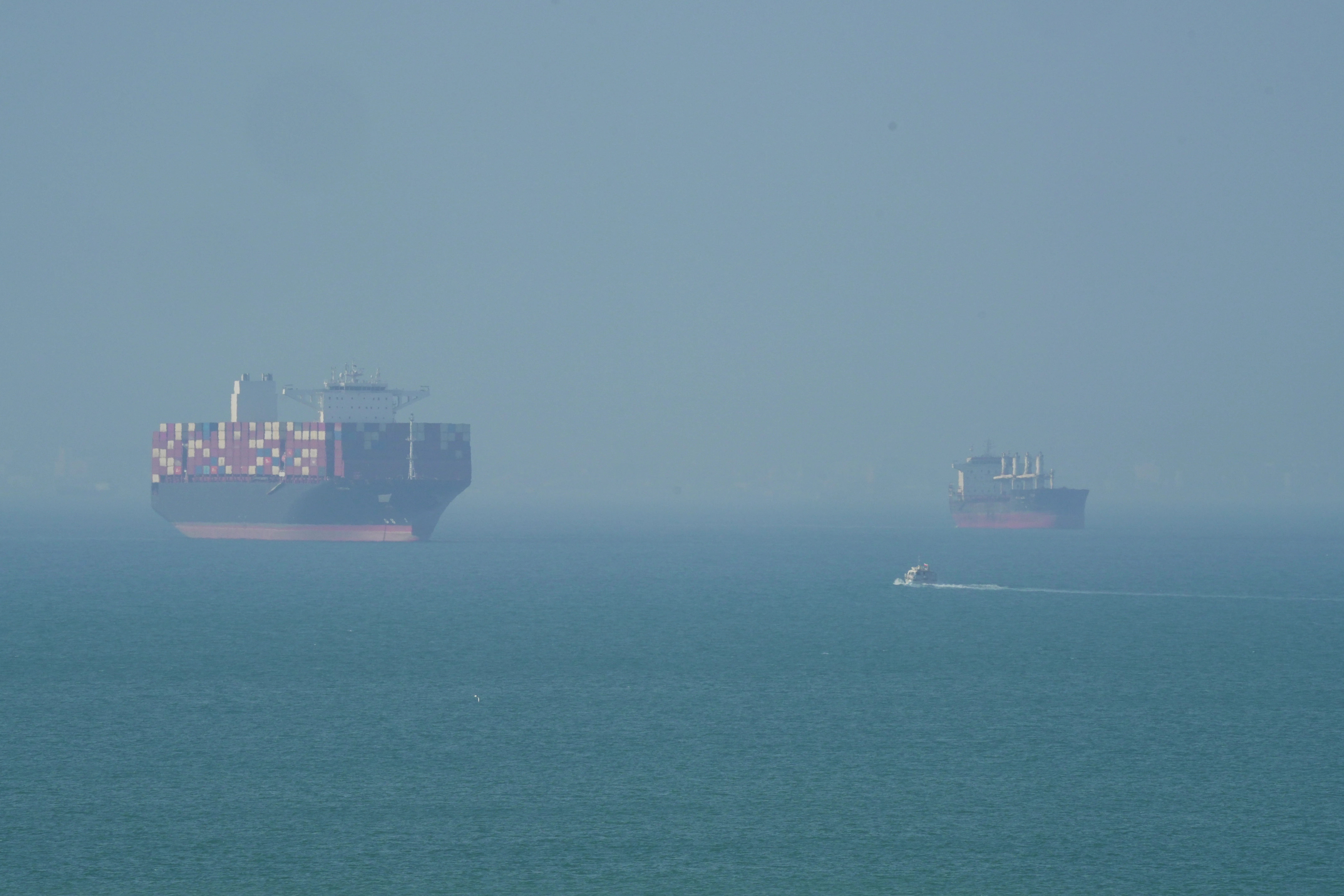
The US government has warned shipping companies not to pay any tolls or so-called "donations" demanded for passage through the Strait of Hormuz, one of the world's most critical oil chokepoints. The warning signals Washington's concern that Iran, or groups acting in its orbit, may be attempting to extract payments from commercial vessels transiting the strait.
The Strait of Hormuz sits between Iran and Oman and carries roughly a fifth of global oil supply. Any disruption there, whether through physical threat or financial coercion, ripples quickly into energy prices and freight insurance costs worldwide. The US warning suggests that demands for payment may already be occurring or are considered imminent enough to warrant a public alert to the shipping industry.
By framing these payments as "tolls" and "donations," the warning covers both explicit fees and softer forms of coercion where payment might be dressed up as voluntary. Shipping companies that comply could face legal exposure under US sanctions law, which broadly prohibits financial transfers that benefit sanctioned entities. Non-compliance with Iranian demands, on the other hand, carries physical risk in a waterway where Iran has previously seized and harassed commercial vessels.
This puts ship operators in a difficult position: pay and risk US legal penalties, or refuse and risk vessel interference. The US warning effectively removes the option to quietly comply, raising the stakes for any company that does.
The warning lands at a sensitive moment. Iranian state media reports that Tehran has presented a new peace proposal to the United States, suggesting backchannel negotiations are active. That context makes the Hormuz warning notable, Washington appears to be applying pressure on multiple fronts simultaneously, keeping economic and legal leverage in play even as diplomacy proceeds.
Whether the peace proposal signals genuine progress or is primarily a tactical move is not clear from available reports. But the combination of a new Iranian overture and a pointed US maritime warning suggests both sides are testing each other's resolve ahead of any potential deal.
Shipping firms, insurers, and energy traders will be watching how Iran responds. Any escalation in the strait, or any confirmed instance of a toll being collected, would likely push up war-risk insurance premiums and crude freight rates almost immediately. The situation is fluid, and the next signal will probably come from either the negotiating channel or from incidents at sea.
Qatar's foreign ministry said mediators including Qatar, Pakistan, and Oman have reached "very progressive stages" in efforts to end the US-Iran war, pushing Brent crude down more than four percent.
Qatar confirmed it is mediating between the US and Iran but said no direct talks are currently planned. The clarification follows conflicting statements from President Trump, who claimed talks are under way, and Tehran, which denied any dialogue is happening.
Saudi Aramco reported sharply higher second-quarter 2026 profits as the Iran war restricts global oil supply and pushes crude prices up. Other oil supermajors also posted outsized earnings, raising concerns about sustained fuel cost pressure for importing economies.
President Trump called current Iran negotiations the "last chance" to end five months of conflict, pushing oil prices higher. Tehran denied formal talks are taking place, raising the risk of a diplomatic breakdown with direct consequences for global energy markets.