
Qatar Signals Progress in US-Iran War Talks
Qatar's foreign ministry said mediators including Qatar, Pakistan, and Oman have reached "very progressive stages" in efforts to end the US-Iran war, pushing Brent crude down more than four percent.
Key Takeaways
May 2, 2026 · 2 min read · By Rishabh Bhardwaj
·
AI-assisted, human-reviewed · Our editorial standards
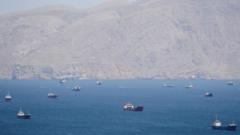
The United States has warned shipping companies that they could face sanctions if they pay transit fees to Iran, a move aimed at tightening economic pressure on Tehran.
The threat targets firms that operate vessels through waters where Iran has been collecting tolls, effectively turning routine shipping payments into a potential compliance risk. Under US sanctions law, payments to designated Iranian entities can expose companies, including non-American ones, to secondary sanctions, meaning the US can cut them off from the dollar system even if they have no direct US business.
For shipping firms, the warning creates a sharp choice: pay Iran and risk US sanctions, or refuse and face possible disruption to transit routes. Secondary sanctions carry serious weight because most global trade is settled in dollars, and losing access to US financial networks is effectively a death sentence for an international shipping business. Companies will likely move quickly to get legal guidance on whether their current routes and payment structures expose them to liability.
The broader context matters here. The warning lands while diplomatic talks between Washington and Tehran are already strained. President Donald Trump said he was "not excited" by Iran's latest proposal for a peace deal, signaling that a negotiated resolution is not close. When diplomacy stalls, economic pressure tools like sanctions tend to get used more aggressively.
Iran has used control over key maritime chokepoints as both an economic and geopolitical lever, and these toll arrangements are part of that strategy. A clampdown on payments directly chips away at that revenue stream and could complicate Iran's ability to use shipping access as a bargaining chip.
For markets, watch how major shipping operators and insurers respond. If large firms begin rerouting vessels or demanding contractual protections, freight costs on affected routes could rise. Insurance premiums for vessels operating near Iranian-controlled waters may also climb as the legal risk becomes clearer.
The next signals to track are whether the US issues formal sanctions designations linked to these toll collections, and whether any shipping firm receives a direct warning or enforcement action. If that happens, the industry will face real pressure to choose sides quickly.
Qatar's foreign ministry said mediators including Qatar, Pakistan, and Oman have reached "very progressive stages" in efforts to end the US-Iran war, pushing Brent crude down more than four percent.
Qatar confirmed it is mediating between the US and Iran but said no direct talks are currently planned. The clarification follows conflicting statements from President Trump, who claimed talks are under way, and Tehran, which denied any dialogue is happening.
Saudi Aramco reported sharply higher second-quarter 2026 profits as the Iran war restricts global oil supply and pushes crude prices up. Other oil supermajors also posted outsized earnings, raising concerns about sustained fuel cost pressure for importing economies.
President Trump called current Iran negotiations the "last chance" to end five months of conflict, pushing oil prices higher. Tehran denied formal talks are taking place, raising the risk of a diplomatic breakdown with direct consequences for global energy markets.