Qatar Signals Progress in US-Iran War Talks
Qatar's foreign ministry said mediators including Qatar, Pakistan, and Oman have reached "very progressive stages" in efforts to end the US-Iran war, pushing Brent crude down more than four percent.
Key Takeaways
May 26, 2026 · 3 min read · By Rishabh Bhardwaj
·
AI-assisted, human-reviewed · Our editorial standards
The United States military has carried out fresh strikes on southern Iran, hitting missile sites and naval vessels it described as mine-laying boats. The Pentagon framed the action as self-defence.
The strikes mark a significant escalation in direct military confrontation between the US and Iran. While the two countries have clashed repeatedly through proxies across the Middle East, direct US strikes on Iranian territory are rare and carry outsized consequences for regional stability and global energy markets.
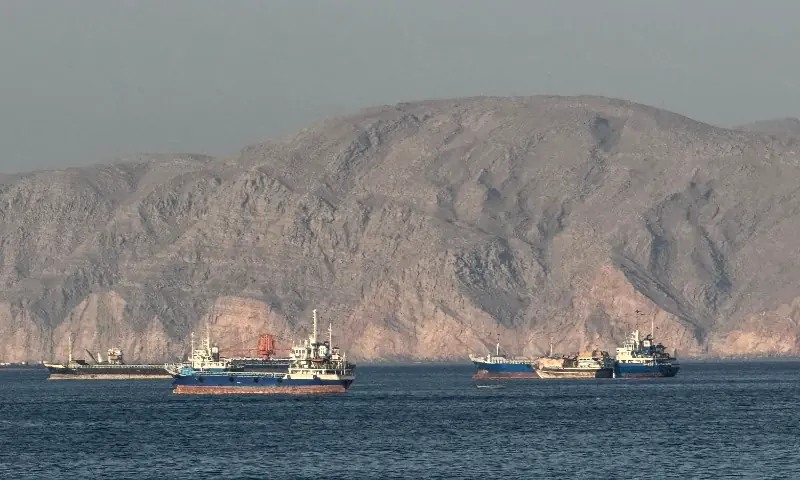
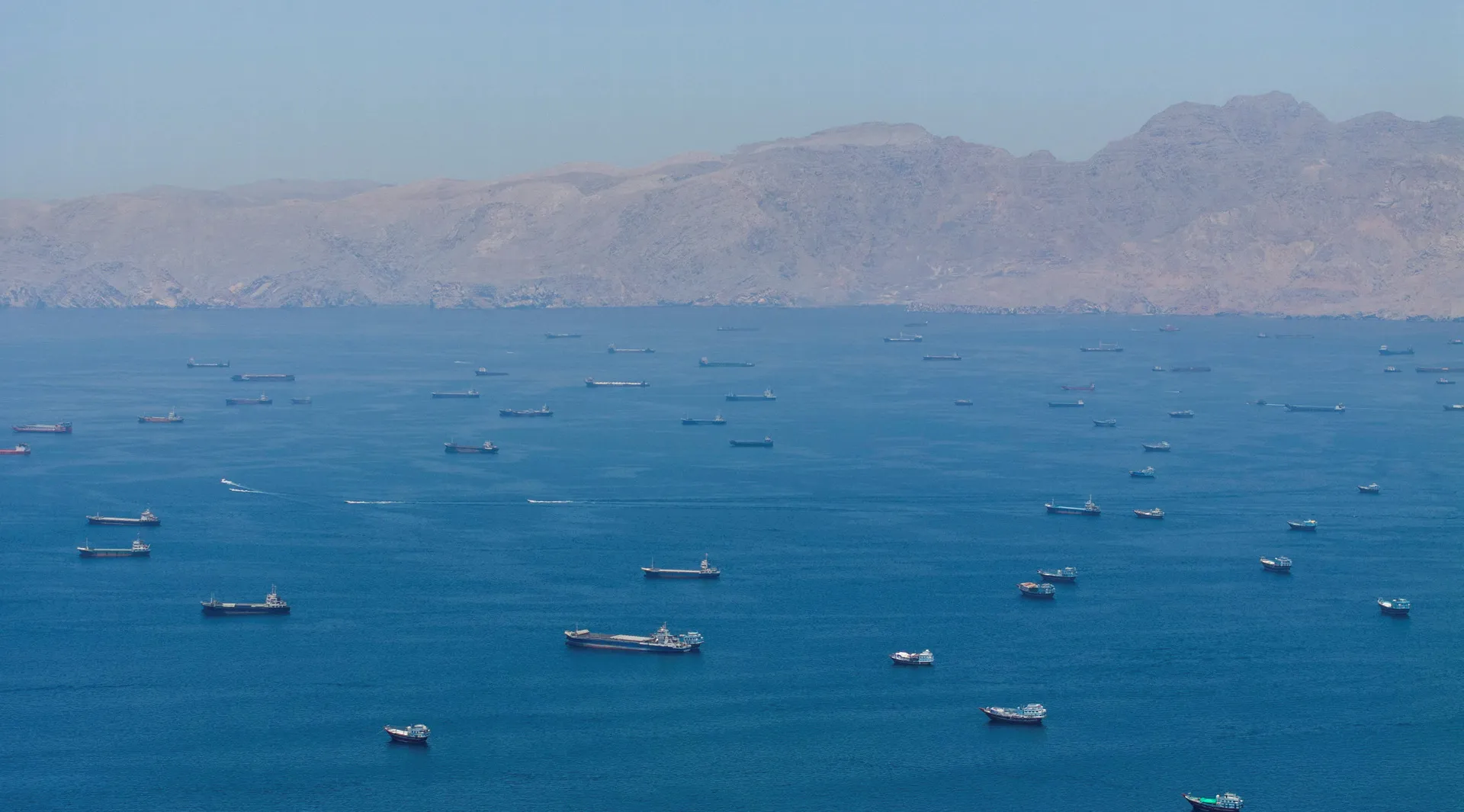
Mine-laying boats pose a specific threat to commercial and military shipping in the Persian Gulf and the Strait of Hormuz, the narrow waterway through which roughly 20 percent of the world's traded oil passes. Targeting those vessels suggests the US is focused on keeping that corridor open, a priority that directly connects to global crude oil supply.
Any disruption to Hormuz shipping translates quickly into oil price pressure. Tanker operators and energy traders will be watching closely for signs that the strikes provoke Iranian retaliation against Gulf shipping lanes, oil infrastructure in the region, or American assets in the area. Even the threat of mine deployment in those waters tends to push freight insurance costs higher and can cause crude benchmarks to spike.
The framing of the strikes as self-defence matters legally and diplomatically. It signals that Washington believes it is responding to an active Iranian threat rather than initiating offensive action, which shapes how allies and international bodies are likely to respond. Whether that framing holds scrutiny depends on what additional details emerge about the specific threat the mine boats were said to pose.
Iran has several options in response. It could escalate directly, activate proxy forces in Iraq, Yemen, or Lebanon, attempt to close or threaten Hormuz traffic, or absorb the strikes and pursue a diplomatic counter-narrative. Each path carries different risks for oil prices, regional security, and US force posture in the Gulf.
The immediate questions are whether Iran responds militarily and whether the strikes were a one-off or part of a sustained campaign. Any Iranian move against Gulf shipping or neighbouring US bases would likely push oil prices sharply higher and force a rapid response from Washington. Diplomatic channels, including any back-channel communication between the two sides, will be critical in determining whether this stays contained.
Gulf state governments, particularly Saudi Arabia and the UAE, face pressure to manage their own exposure as hosts of US military infrastructure while maintaining economic ties with Iran. Their public statements in the coming hours will signal how isolated or supported the US action is in the region.
For markets, the key variable is escalation pace. A contained exchange may be absorbed with modest oil price movement. A broader exchange involving Hormuz disruption would be a different order of shock entirely.
Qatar's foreign ministry said mediators including Qatar, Pakistan, and Oman have reached "very progressive stages" in efforts to end the US-Iran war, pushing Brent crude down more than four percent.
Qatar confirmed it is mediating between the US and Iran but said no direct talks are currently planned. The clarification follows conflicting statements from President Trump, who claimed talks are under way, and Tehran, which denied any dialogue is happening.
Saudi Aramco reported sharply higher second-quarter 2026 profits as the Iran war restricts global oil supply and pushes crude prices up. Other oil supermajors also posted outsized earnings, raising concerns about sustained fuel cost pressure for importing economies.
President Trump called current Iran negotiations the "last chance" to end five months of conflict, pushing oil prices higher. Tehran denied formal talks are taking place, raising the risk of a diplomatic breakdown with direct consequences for global energy markets.