
Qatar Signals Progress in US-Iran War Talks
Qatar's foreign ministry said mediators including Qatar, Pakistan, and Oman have reached "very progressive stages" in efforts to end the US-Iran war, pushing Brent crude down more than four percent.
Key Takeaways
July 24, 2026 · 3 min read · By Rishabh Bhardwaj
·
AI-assisted, human-reviewed · Our editorial standards
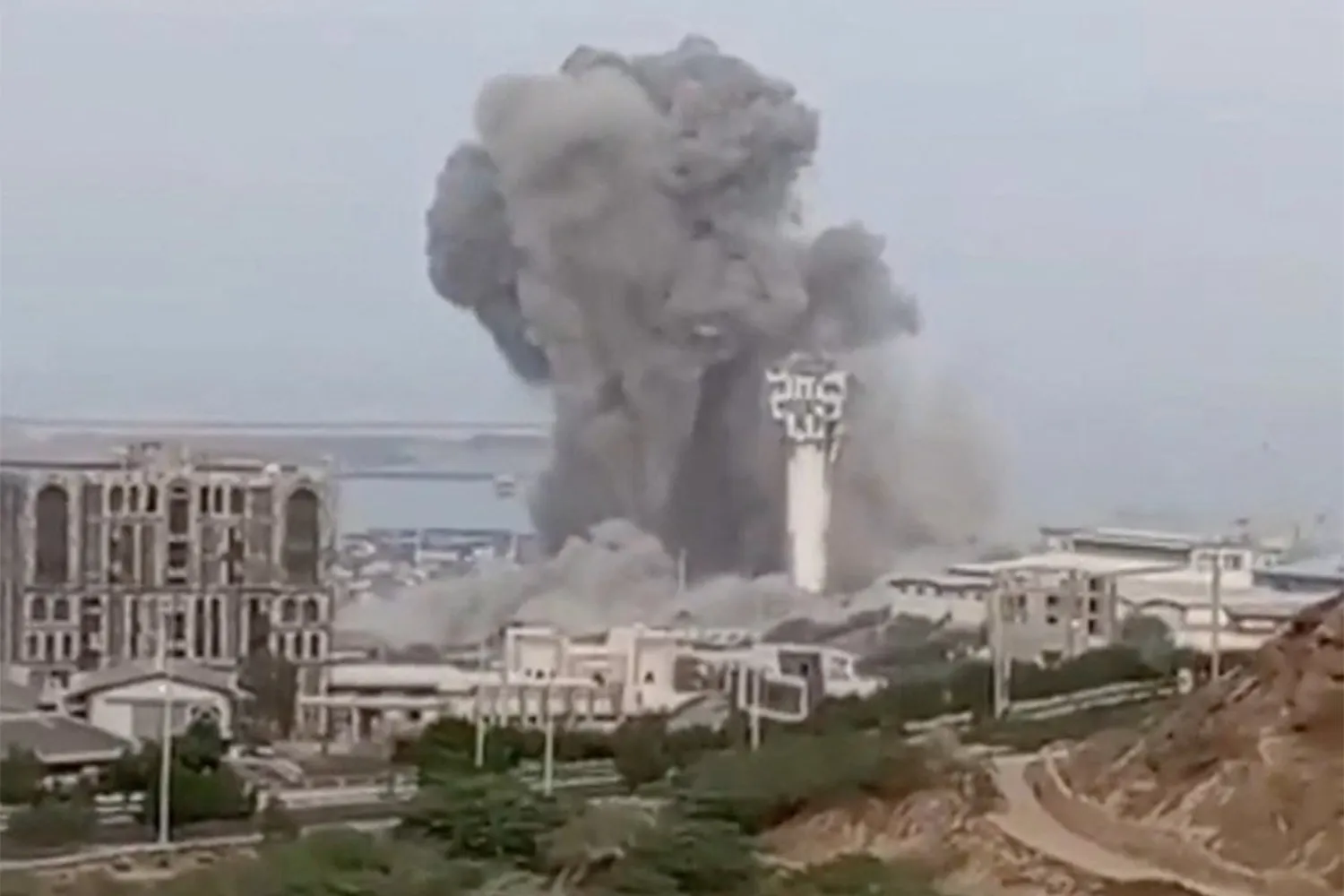
American forces have struck targets closer to Tehran than at any point since the current wave of attacks began, while Iran has responded by hitting Kuwait and Jordan, marking a sharp expansion of the conflict's geographic footprint.
The escalation represents a new phase in what has become an active military exchange between the United States and Iran. Earlier rounds of strikes had focused on more peripheral targets, but this latest move brings the fighting within reach of Iran's political and military core.
Iran's decision to extend its reach toward Kuwait and Jordan pulls two Arab states into a crisis they have tried to stay out of. Kuwait sits at the mouth of the Persian Gulf, one of the world's most critical oil shipping corridors. Jordan borders Israel and Iraq and has long served as a relatively stable buffer in an otherwise volatile region. Strikes on either country carry serious spillover risk for regional security and energy flows.
A tanker was also struck as part of the latest round, though the specific owner, flag, cargo, and location at sea have not been confirmed in available details. Any confirmed tanker hit in or near the Persian Gulf would have immediate consequences for shipping insurance rates, route decisions by commercial operators, and near-term oil supply confidence.
The Persian Gulf carries roughly 20 percent of global oil trade. Military action that threatens tanker traffic, even briefly, tends to move crude prices and freight costs quickly. Insurers typically raise war-risk premiums after confirmed strikes on commercial vessels, which raises the cost of every barrel moved through the region until the situation stabilizes.
For Kuwait and Jordan, the more pressing concern is political. Both countries host American military assets and have avoided direct involvement in Iran-US tensions. Being struck by Iranian forces, regardless of the stated justification, puts pressure on their governments to respond publicly, adjust military postures, or seek explicit security guarantees from Washington. It also raises the question of whether Tehran is trying to widen the conflict deliberately to complicate US military planning.
The move toward targets near Tehran by US forces signals a willingness to raise the cost of Iranian action at the source, rather than limiting strikes to proxies or forward positions. That shift in targeting logic is significant. It suggests the US is no longer restricting its response to Iranian-linked groups operating outside Iran's borders.
Several developments will define how this plays out in the coming days. The first is Iran's next response: whether it continues striking Arab neighbors, escalates against US assets directly, or signals a willingness to pause. The second is the condition of the tanker that was hit and whether its owners, insurers, or flag state issue formal statements that trigger wider maritime security protocols.
Kuwait and Jordan's public reactions will also matter. If either government formally attributes the strikes to Iran and requests international support, it widens the diplomatic front significantly. The UN Security Council is a likely next venue, though its ability to act is constrained by the veto structure among permanent members.
On the market side, oil traders and shipping operators will be watching for any sign that the Strait of Hormuz or nearby chokepoints are being actively contested. Even the threat of disruption at that scale tends to price into crude futures before physical supply is actually affected.
The situation is moving fast. Each round of strikes has expanded either in geography or in the proximity to high-value political and economic targets. The pattern so far suggests neither side has decided to step back.
Qatar's foreign ministry said mediators including Qatar, Pakistan, and Oman have reached "very progressive stages" in efforts to end the US-Iran war, pushing Brent crude down more than four percent.
Qatar confirmed it is mediating between the US and Iran but said no direct talks are currently planned. The clarification follows conflicting statements from President Trump, who claimed talks are under way, and Tehran, which denied any dialogue is happening.
Saudi Aramco reported sharply higher second-quarter 2026 profits as the Iran war restricts global oil supply and pushes crude prices up. Other oil supermajors also posted outsized earnings, raising concerns about sustained fuel cost pressure for importing economies.
President Trump called current Iran negotiations the "last chance" to end five months of conflict, pushing oil prices higher. Tehran denied formal talks are taking place, raising the risk of a diplomatic breakdown with direct consequences for global energy markets.