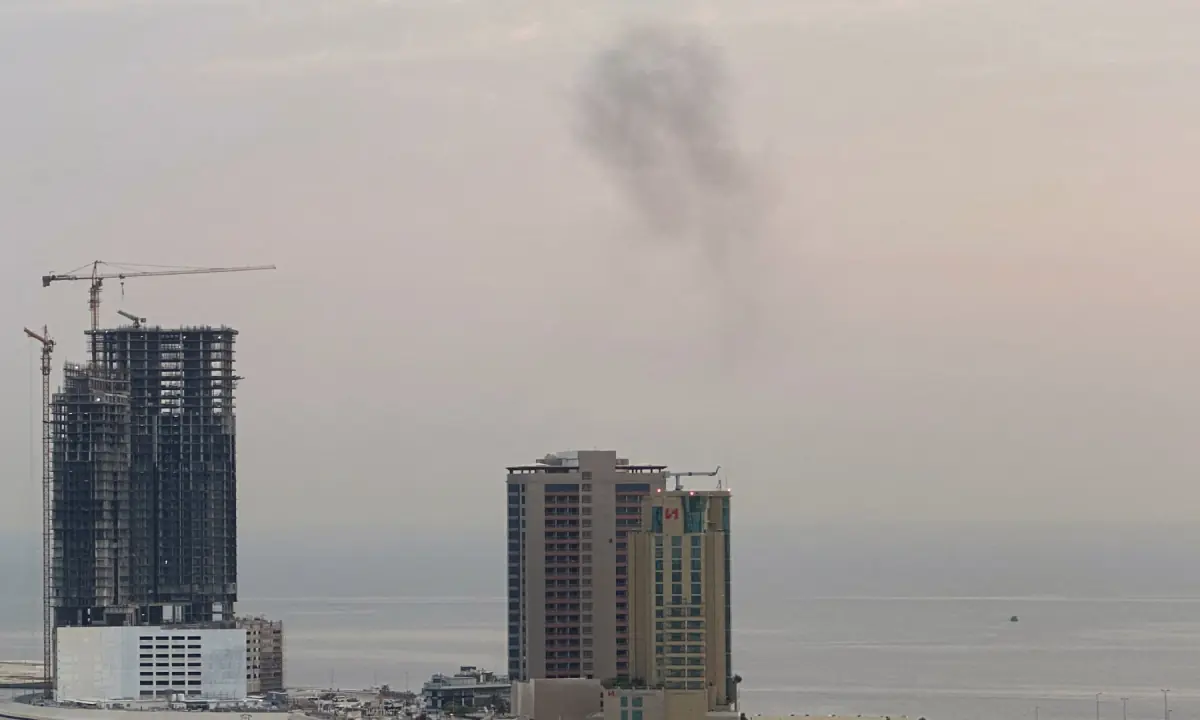
The United States carried out strikes on Iran for a third consecutive night, as President Donald Trump reinstated a naval blockade of Iranian ports and proposed new fees for ships passing through the Strait of Hormuz, one of the world's most critical oil shipping lanes.
The back-to-back strikes mark a sharp escalation in direct U.S. military action against Iran. Three nights of consecutive attacks signal a sustained campaign rather than a one-off response, raising the stakes for both sides and for global energy markets that run through the Persian Gulf.
What the blockade and fees mean
A naval blockade of Iranian ports cuts off Iran's ability to export goods, including oil, by sea. Reinstating it suggests the Trump administration is combining military pressure with economic strangulation. The proposed fees for ships transiting the Strait of Hormuz add a second layer of pressure: roughly 20 percent of the world's oil supply moves through that narrow waterway, so any added cost or restriction there ripples immediately into global oil pricing.
If the fees are enforced, shipping companies and oil tanker operators face a direct cost increase on every Hormuz transit. That cost tends to pass through to buyers, meaning refiners, importers, and ultimately consumers could see higher energy prices. Even the credible threat of disruption in the strait is historically enough to push crude oil benchmarks higher.
The blockade also limits Iran's ability to receive imports, tightening pressure on an economy already under heavy sanctions. Iran's government earns a large share of its revenue from oil exports, so cutting off port access directly squeezes the state budget and its ability to fund military and proxy operations across the region.
Why this moment matters
Three consecutive nights of strikes represent a pace and intensity that goes beyond a single retaliatory action. It suggests the U.S. is pursuing a sustained degradation campaign, targeting Iranian military or nuclear infrastructure over multiple nights rather than striking once and waiting for a response.
The combination of airstrikes, a naval blockade, and Hormuz transit fees creates overlapping pressure on Iran across military, economic, and commercial dimensions simultaneously. Each layer alone would be significant. Together, they represent a more comprehensive confrontation than the United States and Iran have publicly engaged in during recent years.
For markets, the key variable is whether Iran retaliates in ways that physically threaten oil flows. Iran has previously threatened to close the Strait of Hormuz in response to U.S. pressure. Any credible move in that direction would cause an immediate and sharp spike in global oil prices, with knock-on effects for inflation, shipping costs, and emerging market economies that depend heavily on energy imports, including India.
For India specifically, the Strait of Hormuz is the primary route for crude oil imports from the Gulf. A prolonged blockade or physical disruption to Hormuz transit would force Indian refiners to source oil from further afield at higher cost, or absorb the difference through domestic fuel prices.
The proposed Hormuz transit fees also create a diplomatic complication. Countries that rely on the strait, including U.S. allies in Asia and Europe, may object to paying fees on a passage that international maritime law generally treats as open to transit. That could generate friction between Washington and its partners at an already tense moment.
What to watch next: whether Iran retaliates militarily or through proxies, whether the Hormuz fee proposal moves toward formal enforcement, and how oil markets price in sustained disruption risk over the coming days.