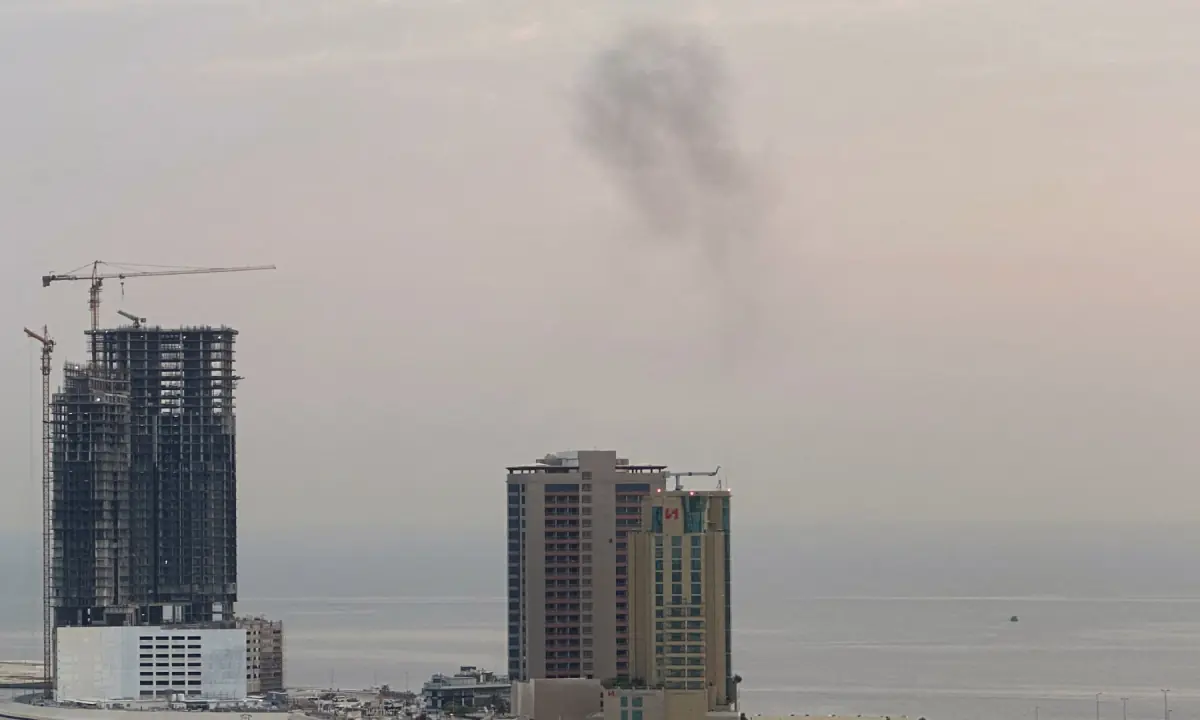
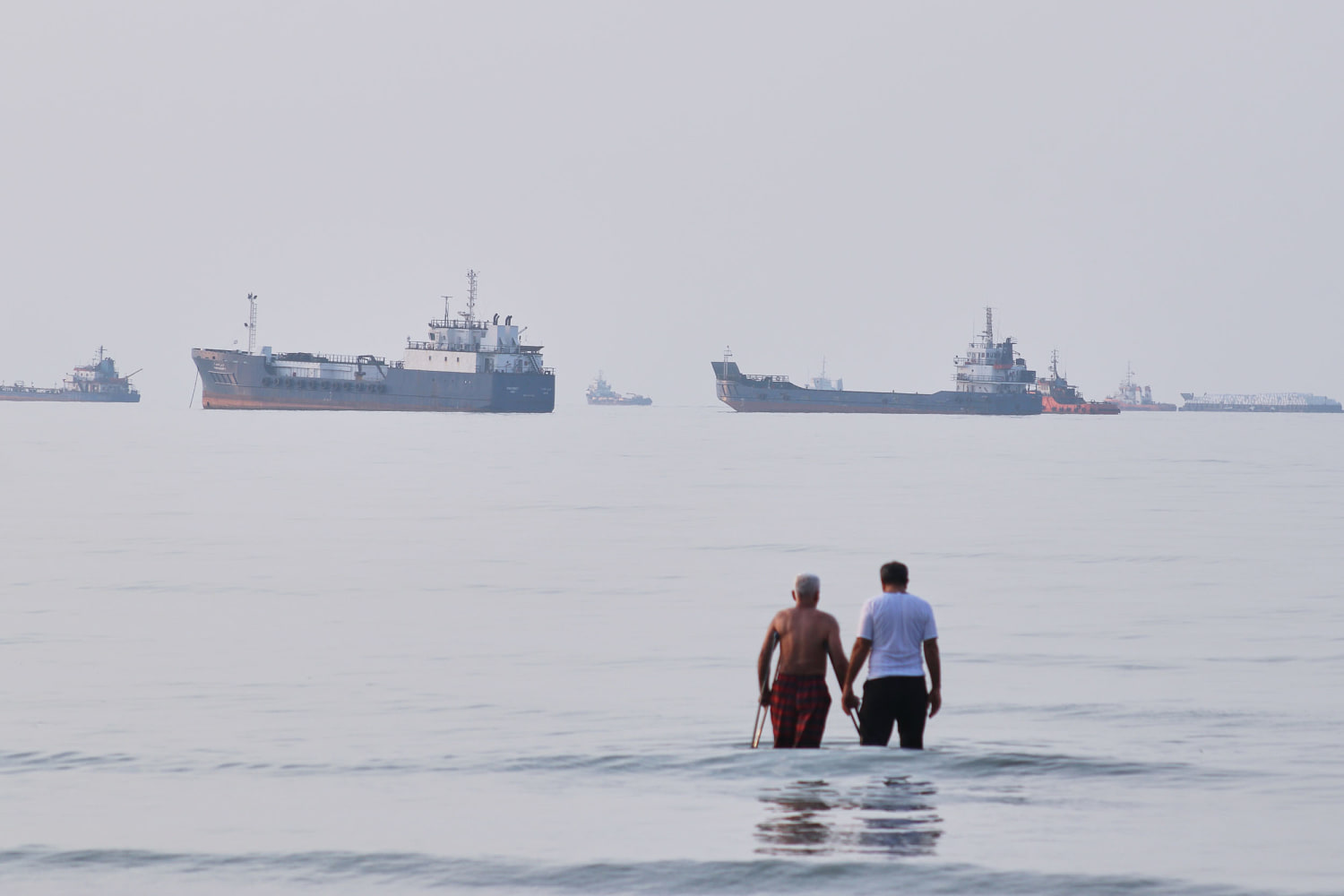
The United States carried out its third consecutive night of strikes on Iran early on Tuesday, July 15, hitting targets at coastal cities Bushehr and Bandar Abbas in what the US military described as a five-hour mission to degrade Iran's ability to attack commercial shipping. Iran's Islamic Revolutionary Guard Corps responded by firing missiles and drones at American military facilities in Bahrain and Jordan, while two tankers were hit and disabled in the Strait of Hormuz, killing at least one crew member.
The scope of the conflict is widening fast. US Central Command said its forces used precision munitions against Iranian coastal defence systems, missile and drone sites, and maritime infrastructure. More than 50,000 US service members are currently deployed across the Middle East. Iran's IRGC claimed its retaliatory strikes destroyed the air control radar of the US Navy's Fifth Fleet at Bahrain's Juffair base, hit a Patriot radar system, a satellite communications centre, fuel storage tanks, and a housing building for US forces. Neither the United States nor Bahrain had publicly confirmed or denied those claims as of this writing.
Jordan said it intercepted and shot down four missiles that entered its airspace from Iranian territory. The IRGC separately claimed it targeted an air base in Jordan hosting US forces with ballistic missiles, and then issued a pointed appeal to Jordanian citizens to dismantle American bases on their soil. The message signals that Iran is willing to pressure Gulf and regional partners of the US directly, a significant escalation in its tactical approach.
Strait of Hormuz at the Center
President Donald Trump announced on Monday that the United States would reimpose a full blockade on Iranian ports, effective 2000 GMT on Tuesday, after a preliminary US-Iran deal struck in June had eased earlier restrictions. Trump went further, declaring on Truth Social that the US would act as "Guardian of the Hormuz Strait" and levy a 20 percent fee on all cargo shipped through the waterway. He framed it as open access for all countries except Iran, but the announcement drew immediate ridicule from Tehran and accusations of piracy from Iranian officials.
Iranian Foreign Minister Abbas Araghchi responded on X by sarcastically agreeing that whoever guaranteed safe passage deserved compensation, before suggesting Iran would charge less than 20 percent. The exchange underlines a core legal dispute: international law generally prohibits states from charging tolls in international straits, making Trump's fee proposal legally contested. The strait carries roughly a fifth of the world's oil supply, so any disruption to transit affects fuel costs and energy markets globally.
The IRGC said it had hit and disabled two "offending supertankers" in the strait after they ignored warnings, switched off navigation systems, and attempted to pass through what it described as a mined route. The UAE's Ministry of Defence separately confirmed two ships were struck and one crew member killed, but the statements did not confirm whether they referred to the same vessels. Iran accused the US of directing ships onto an illegal route and warned that cooperation with the US would lead to damage, delays in reopening the strait, and a global energy crisis.
Diplomacy Is Fraying
Trump insisted a deal with Tehran was still achievable even as strikes continued, but Iran's Foreign Ministry spokesman Esmaeil Baqaei described the June memorandum of understanding, which had formed the basis for negotiations, as being "in crisis." He said Iran would drop its obligations under the interim deal if Washington did the same, though Tehran is still engaged in talks with mediators from Qatar, Pakistan, and Oman.
Trump also threatened to strike Pickaxe Mountain, a deeply buried site near Natanz where Western intelligence believes Iran may be developing an undeclared nuclear enrichment facility. The threat adds a nuclear dimension to what has so far been a campaign focused on Iran's maritime and air-defence capabilities.
Trump formally notified Congress last week that the US had resumed military conflict with Iran, giving the Pentagon an additional 60 days to operate in the region without needing congressional approval, the White House confirmed. That window now defines the near-term operational horizon.
Bader Al-Saif, an associate fellow at Chatham House, said both sides want to end the standoff on their own terms and are finding that increasingly difficult, which is driving the return to and escalation in strikes. The practical effect, he argued, will be further delays to any permanent agreement rather than a decisive shift in leverage. With the Hormuz blockade reinstated, tanker operators, insurers, and energy importers now face immediate decisions about route risk, shipping costs, and supply continuity that will ripple through commodity markets well before any diplomatic outcome becomes clear.