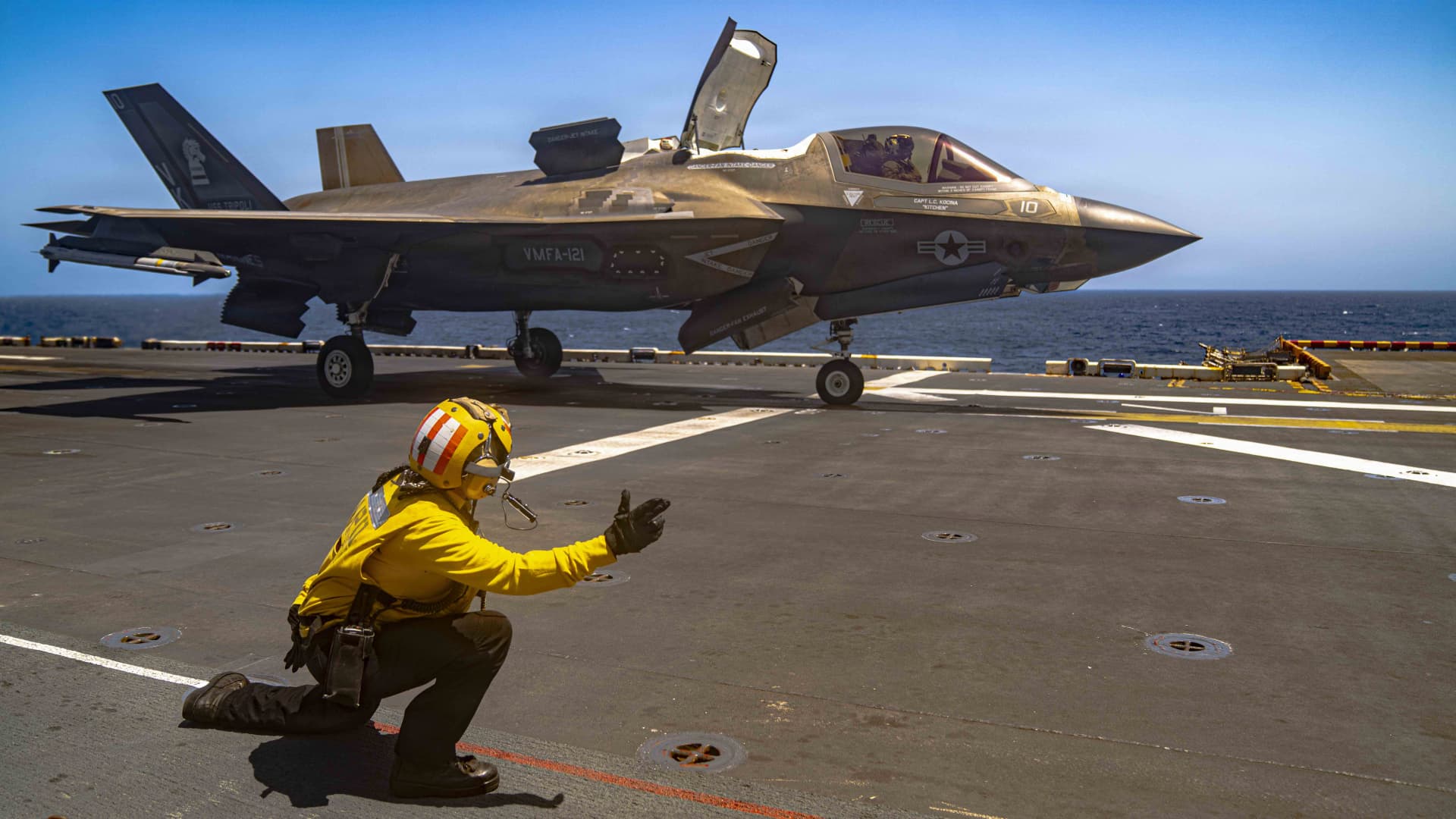
The United States has struck Iran after President Donald Trump declared the U.S.-Iran ceasefire over, citing multiple flare-ups of hostilities across the region.
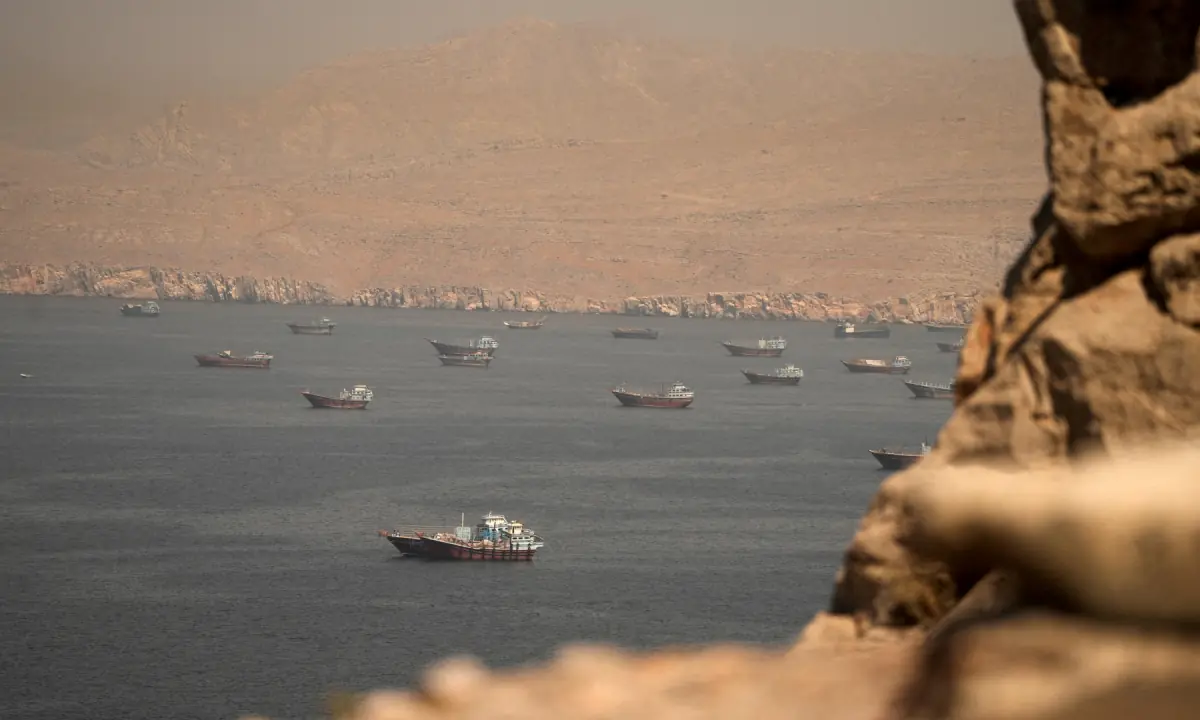
Trump's announcement effectively ends the fragile pause in direct military confrontation between Washington and Tehran that had briefly halted an escalating crisis. The breakdown comes as Iran had been signaling it could move to restrict or close the Strait of Hormuz, the narrow waterway through which roughly 20 percent of the world's oil supply passes each day.
Why the Strait of Hormuz Makes This Bigger Than a Bilateral Fight
The Strait of Hormuz sits between Iran and Oman at the mouth of the Persian Gulf. Any disruption there, even a credible threat rather than a full blockade, is enough to send oil markets into immediate repricing. Tanker insurance rates spike, shipping companies reroute or pause voyages, and refiners that depend on Gulf crude scramble for alternative supply. The economic shockwave from a sustained blockade would reach consumers at fuel pumps and in energy-intensive industries far beyond the Middle East.
That is why the U.S. struck before a blockade could be reimposed. Preemptive military action aimed at degrading Iran's capacity to close the strait is a well-established doctrine in American naval strategy. The decision to act now, rather than wait for a physical blockade, reflects Washington's judgment that the cost of letting Iran consolidate its position outweighs the diplomatic cost of striking first.
What This Means for Markets and Policy Right Now
Oil prices are the most direct and immediate transmission channel. A confirmed U.S. strike on Iran, combined with unresolved ceasefire status, creates a supply-risk premium that traders price in quickly. Energy equities, defense sector stocks, and safe-haven assets including gold and U.S. Treasuries tend to move sharply in the opening hours of a Middle East military escalation.
For governments and central banks, an oil price spike of meaningful size complicates inflation management at a time when many economies are still working through post-pandemic price pressures. Higher fuel costs feed directly into transport, manufacturing, and food supply chains.
On the policy side, every U.S. ally with significant Gulf energy exposure, including Japan, South Korea, India, and most of Europe, will be monitoring the situation closely. India in particular imports a large share of its crude from the Gulf, making any sustained disruption to Hormuz transit a direct economic problem for New Delhi.
The collapse of the ceasefire also resets the diplomatic calendar. Any negotiations over Iran's nuclear program or broader regional security architecture are effectively frozen until the military picture stabilizes. Secondary sanctions risk for companies doing business with Iran rises immediately, and energy traders will be watching for any Iranian retaliation against Gulf state infrastructure or commercial shipping.
The key variables to watch in the coming days are the scope and confirmed targets of the U.S. strike, Iran's formal military and diplomatic response, whether Gulf Cooperation Council states publicly align with Washington or seek distance, and whether tanker traffic through the strait shows any sign of slowing. Each of those data points will determine whether this stays a sharp but contained escalation or widens into a broader regional conflict.