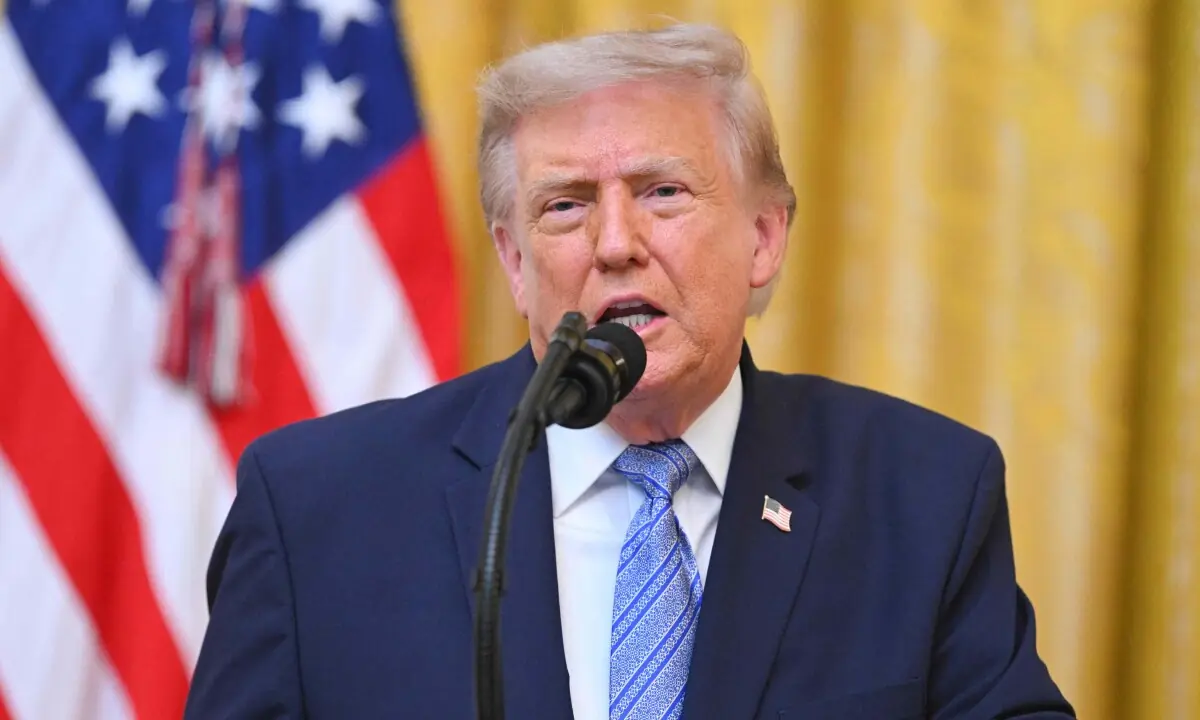
Trump Revives Voter Fraud Claims Before Midterms
Trump used a primetime White House address to repeat unsupported claims of Chinese election interference and mass non-citizen voter registration ahead of November's midterms.
Key Takeaways
July 18, 2026 · 4 min read · By Rishabh Bhardwaj
·
AI-assisted, human-reviewed · Our editorial standards
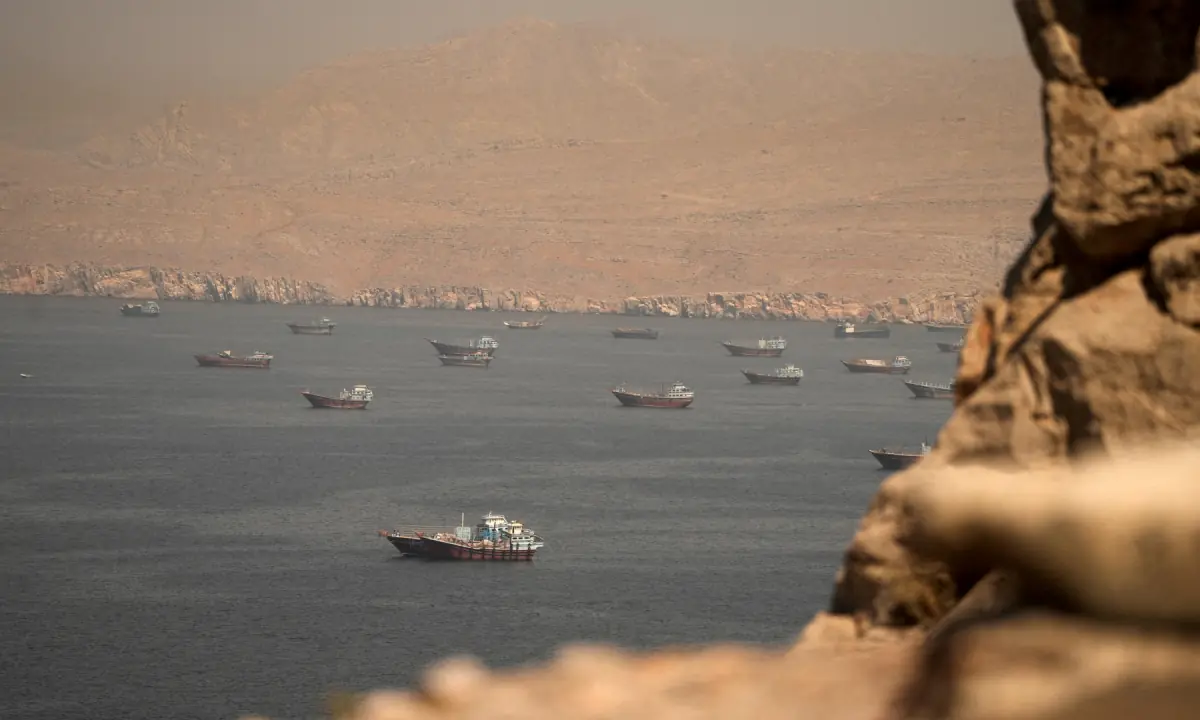
Iran's Islamic Revolutionary Guard Corps has threatened to close additional global shipping corridors after sealing the Strait of Hormuz, warning that "regional energy exports are either shared by all or denied to all." The threat came on Wednesday after the United States reimposed a naval blockade of Iranian ports, cutting off Iran's oil and gas exports and escalating a conflict that has already pushed global energy prices sharply higher.
Iran's state news agency IRNA reported the IRGC statement, which said the Hormuz closure would remain in place until "the end of America's evils." The Guards specifically warned that "all other export corridors that benefit the US and its allies" could be shut next, a signal that goes well beyond the Persian Gulf.
The Strait of Hormuz handled about one-fifth of the world's daily oil and gas supply during peacetime. With it now closed, analysts are watching a second chokepoint: the Bab-el-Mandeb strait, the narrow gateway between the Red Sea and the Gulf of Aden through which Saudi oil exports and a large share of global shipping pass. Iran has been signalling it may direct the Houthis in Yemen to shut that corridor too, which would put two of the world's most critical energy arteries out of action simultaneously.
The Houthis have a proven track record here. After Israel's assault on Gaza began in October 2023, the group launched sustained attacks on commercial shipping in the Red Sea, targeting vessels it claimed were linked to Israel. A repeat of that campaign, coordinated with Iran's Hormuz closure, would represent a far more severe disruption to global trade than either threat alone.
The broader conflict reignited last week, fraying a truce reached in June after months of fighting that killed thousands. Since then, renewed US strikes have killed at least 28 people in Iran, according to a tally compiled from Iranian media and official announcements. US President Donald Trump warned this week that strikes would escalate further next week to hit power plants and bridges if Tehran does not return to negotiations. "Next week it gets really bad for them," Trump told Fox News on Tuesday night.
The US military said late Tuesday it had hit dozens of military targets near the Strait of Hormuz and along Iran's coastline in a seven-hour wave of strikes. US Central Command said the operation was intended to "continue degrading Iranian capabilities used to attack commercial shipping." Washington also claimed Iran had attacked seven commercial ships over the past week, leaving nearly a dozen crew members killed, missing, or injured.
Iranian state media reported explosions near the port city of Bandar Abbas, on Qeshm island, and at Bandar Imam Khomeini. State broadcaster IRIB said a wheat storage silo in Hoveyzeh, in southwestern Iran, was struck by US projectiles. IRNA reported hits near Sirik in southern Iran. No Iranian source mentioned casualties.
The fighting quickly spread regionally. Shortly after the strikes, sirens sounded in Bahrain. Kuwait and Jordan both reported intercepting Iranian drones and missiles. The IRGC said it had struck US facilities in Bahrain, including command-and-control, logistics, fuel, and military equipment sites belonging to the US Fifth Fleet. It also said it destroyed a US logistics facility at Kuwait's Mina Abdullah and struck an American airbase at Azraq in Jordan, targeting aircraft hangars. Kuwait's state news agency confirmed a fire at a targeted site was brought under control, though it was unclear whether this matched the IRGC's account.
On the diplomatic front, Iranian Deputy Foreign Minister Kazem Gharibabadi said the US decision to restore the naval blockade had effectively "dismantled the Islamabad memorandum," the interim deal reached last month to pause hostilities and pursue peace talks. That assessment, if accurate, removes the main diplomatic buffer that had slowed the conflict over recent weeks. Trump separately backed away from a planned 20 percent levy on ships using the Strait of Hormuz, though that reversal did little to reduce tensions on the ground.
For global energy markets, the risk calculus has shifted materially. One closed strait is already a supply shock. A second closure at Bab-el-Mandeb, combined with ongoing US strikes and Iranian retaliation across Gulf states, would expose a much larger share of world trade to disruption. Shipping insurers, tanker operators, and commodity traders are now pricing in a conflict with no clear off-ramp, and with both sides signalling escalation rather than a return to talks.
Trump used a primetime White House address to repeat unsupported claims of Chinese election interference and mass non-citizen voter registration ahead of November's midterms.
US forces struck Iranian military targets near Bandar Abbas and Qeshm Island for a sixth straight night, while Iran attacked US facilities in Bahrain and Kuwait. The Strait of Hormuz remains largely closed to shipping, pushing global energy prices higher as both sides escalate.
Trump dropped a proposed 20 percent Hormuz transit fee hours before it was set to take effect, saying Gulf states will make investment deals with the US instead. Oil rose two percent as US strikes on Iran continued for a third night and regional exchanges escalated across Jordan, Bahrain, and Kuwait.
Brent crude rose 2.3 percent to $85.20 a barrel on Tuesday as the US reimposed a naval blockade of Iran and both sides escalated strikes in the Strait of Hormuz. Tanker traffic through the strait fell to a two-month low, with two UAE vessels hit by Iranian cruise missiles and one Indian crew member killed.