
Qatar Signals Progress in US-Iran War Talks
Qatar's foreign ministry said mediators including Qatar, Pakistan, and Oman have reached "very progressive stages" in efforts to end the US-Iran war, pushing Brent crude down more than four percent.
Key Takeaways
May 10, 2026 · 2 min read · By Rishabh Bhardwaj
·
AI-assisted, human-reviewed · Our editorial standards
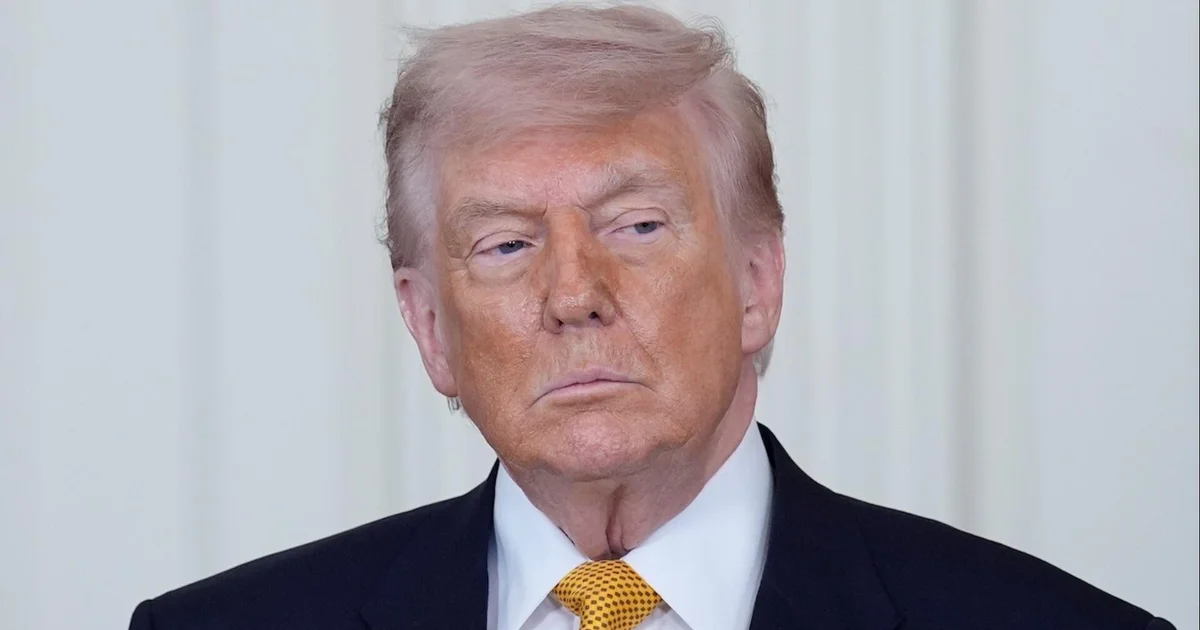
President Donald Trump said the U.S. is still waiting for Iran's response to the latest peace proposal, telling reporters the reply could come "any minute." No formal answer has arrived, and the timeline remains open-ended.
The diplomatic standoff keeps a key piece of Middle East uncertainty unresolved. Whether Iran accepts, rejects, or counters the plan will shape the next phase of U.S. engagement in the region and affect how long wartime conditions weigh on energy markets.
While negotiations stay frozen, the economic cost of the conflict is showing up at the pump. The national average for gasoline has risen to $4.53 a gallon, up 25 cents in the second consecutive week of increases.
Wartime conditions typically tighten global oil supply expectations, and back-to-back weekly price jumps suggest that pressure is already feeding through to consumers. A 25-cent weekly rise is a meaningful move, at that pace, monthly fuel costs for regular drivers climb noticeably.
The two threads, diplomacy and energy prices, are directly linked. A credible peace signal from Iran could ease supply concerns and soften fuel prices. A breakdown or prolonged silence is likely to keep upward pressure on oil and gasoline.
For now, the administration is publicly projecting patience, with Trump's "any minute" framing suggesting the White House expects movement soon rather than a prolonged stalemate. Whether that confidence is grounded in back-channel progress or is simply a public posture is not yet clear from available information.
Consumers, energy markets, and U.S. allies watching the region will all be tracking Iran's next move closely.
Qatar's foreign ministry said mediators including Qatar, Pakistan, and Oman have reached "very progressive stages" in efforts to end the US-Iran war, pushing Brent crude down more than four percent.
Qatar confirmed it is mediating between the US and Iran but said no direct talks are currently planned. The clarification follows conflicting statements from President Trump, who claimed talks are under way, and Tehran, which denied any dialogue is happening.
Saudi Aramco reported sharply higher second-quarter 2026 profits as the Iran war restricts global oil supply and pushes crude prices up. Other oil supermajors also posted outsized earnings, raising concerns about sustained fuel cost pressure for importing economies.
President Trump called current Iran negotiations the "last chance" to end five months of conflict, pushing oil prices higher. Tehran denied formal talks are taking place, raising the risk of a diplomatic breakdown with direct consequences for global energy markets.