
Qatar Signals Progress in US-Iran War Talks
Qatar's foreign ministry said mediators including Qatar, Pakistan, and Oman have reached "very progressive stages" in efforts to end the US-Iran war, pushing Brent crude down more than four percent.
Key Takeaways
May 8, 2026 · 2 min read · By Rishabh Bhardwaj
·
AI-assisted, human-reviewed · Our editorial standards
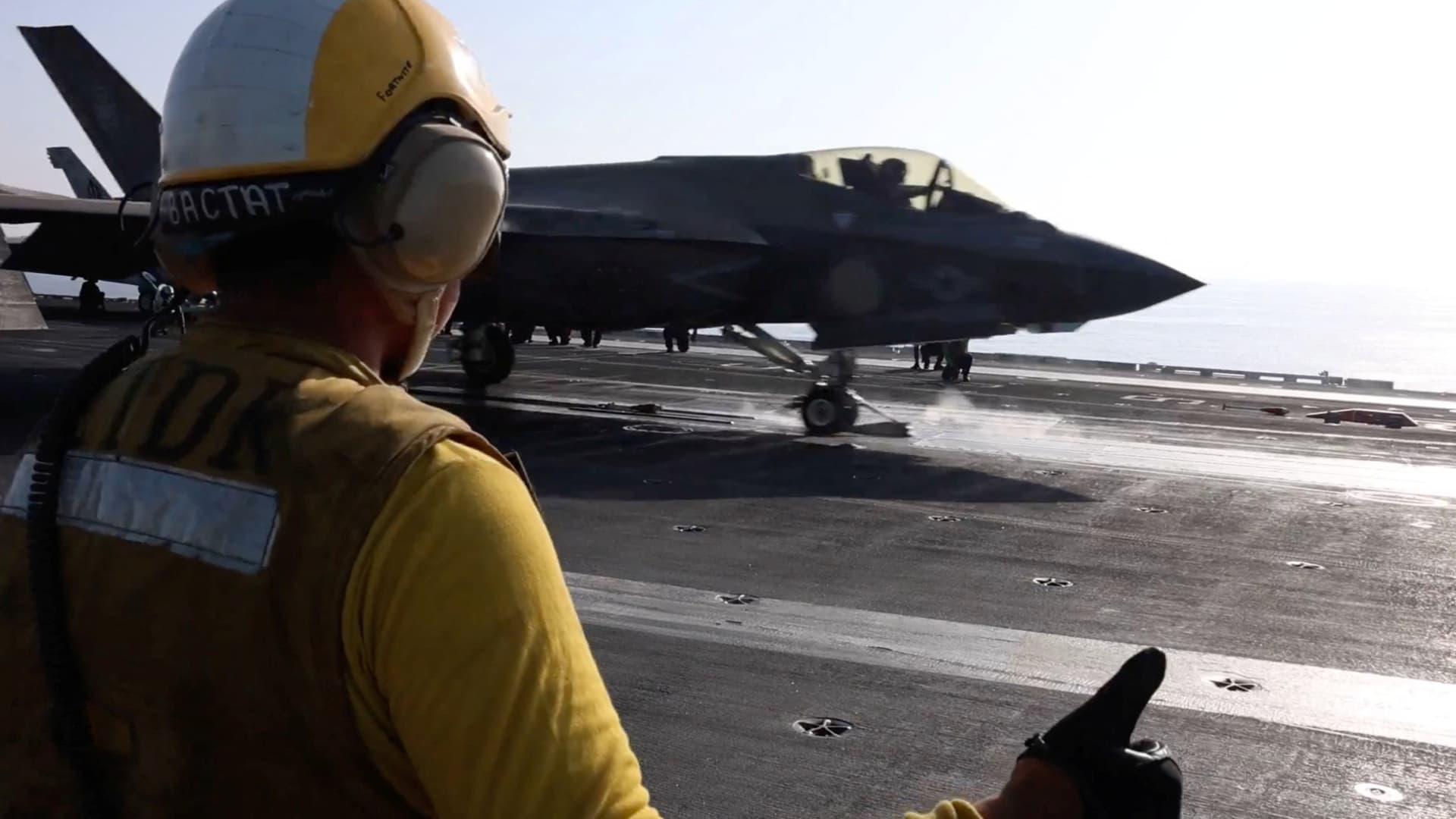
The United States says it struck two Iran-flagged oil tankers that were attempting to bypass a naval blockade, a move that strains the fragile ceasefire between Washington and Tehran that President Donald Trump has continued to publicly defend as holding.
U.S. forces targeted the two Iranian tankers after they reportedly tried to evade the blockade. The strikes mark the latest in a series of incidents this week that have tested the ceasefire arrangement, even as Trump has insisted publicly that the truce remains intact.
The pattern suggests a gap between the diplomatic framing coming from the White House and events on the ground. Trump's repeated insistence that the ceasefire is in effect has not been matched by a halt in military activity, creating an unusual situation where both sides appear to be acting while avoiding a formal breakdown in the agreement.
Iran-flagged tankers are central to how Tehran moves oil exports, which fund a significant portion of the Iranian government's budget. Striking vessels under the Iranian flag raises the stakes considerably, it is a direct hit on the country's economic lifeline, not just its military infrastructure.
A naval blockade of this kind, if sustained, could sharply restrict Iran's ability to sell oil on global markets. That has direct consequences for oil supply and pricing, particularly if other buyers or shipping lanes adjust to the new risk environment. Any escalation that disrupts Persian Gulf shipping corridors tends to ripple quickly into energy markets worldwide.
The ceasefire's credibility is also at stake. When active military strikes occur during a publicly declared truce, it creates uncertainty for allies, adversaries, and markets alike about what the actual rules of engagement are and whether the broader diplomatic framework can hold.
Watch for whether Tehran responds formally, through diplomatic channels or military action, and whether Trump's administration offers any official clarification on how tanker strikes fit within the ceasefire terms. Any Iranian retaliation or an escalation in the number or type of targets hit would signal that the ceasefire is functionally over, regardless of the rhetoric around it.
Qatar's foreign ministry said mediators including Qatar, Pakistan, and Oman have reached "very progressive stages" in efforts to end the US-Iran war, pushing Brent crude down more than four percent.
Qatar confirmed it is mediating between the US and Iran but said no direct talks are currently planned. The clarification follows conflicting statements from President Trump, who claimed talks are under way, and Tehran, which denied any dialogue is happening.
Saudi Aramco reported sharply higher second-quarter 2026 profits as the Iran war restricts global oil supply and pushes crude prices up. Other oil supermajors also posted outsized earnings, raising concerns about sustained fuel cost pressure for importing economies.
President Trump called current Iran negotiations the "last chance" to end five months of conflict, pushing oil prices higher. Tehran denied formal talks are taking place, raising the risk of a diplomatic breakdown with direct consequences for global energy markets.