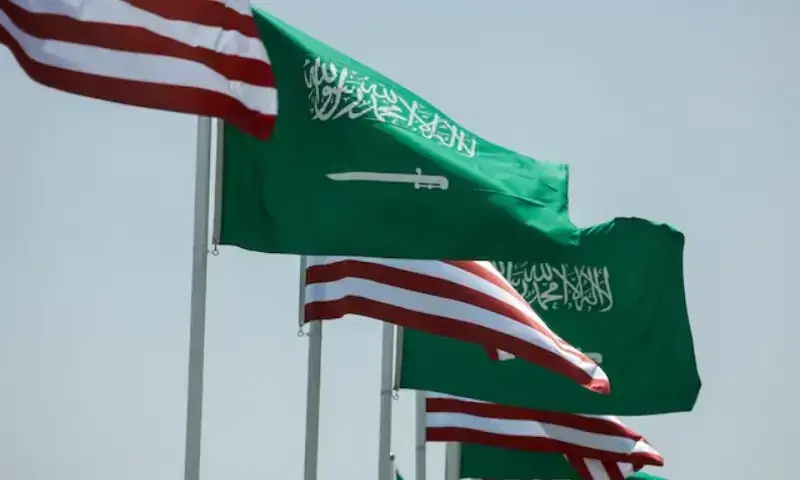
US and Saudi Arabian forces carried out joint air strikes against Iran-aligned militant groups in eastern Iraq on Wednesday, targeting logistics and weapons sites tied to more than 30 drone attacks on American forces and Saudi energy infrastructure over the previous 72 hours. The operation marks a sharp escalation after a brief pause in hostilities between the United States and Iran collapsed late Tuesday, when US forces intercepted Iranian missiles aimed at American bases in the Gulf.
The US military said the strikes hit multiple sites used by groups the US Central Command described as directed by Iran's Islamic Revolutionary Guard Corps. Saudi Arabia's defence ministry confirmed its forces participated, identifying the targets as militias loyal to Iran that had attacked the kingdom's oil facilities. Both governments framed the strikes as a direct response to a specific wave of IRGC-directed drone attacks, not a broadening of the wider Iran conflict.
Hormuz back at the centre
The flare-up immediately rattled energy markets. Crude oil prices jumped more than four percent as traders refocused on the Strait of Hormuz, the narrow waterway through which a significant share of the world's seaborne oil and gas passes. Iran's IRGC said on Wednesday it had attacked and stopped three tankers in the strait, asserting it has "full control" of the waterway. Tehran said the vessels ignored warnings and continued along what it called an unsafe and illegal route.
The strait had been a central topic during the previous pause in fighting, with Washington saying the cessation was partly aimed at restarting negotiations over the waterway's status. That diplomatic window now looks considerably narrower. Iran has been physically stopping vessels, and in June, Oman and Tehran floated the idea of imposing service fees on ships transiting the strait, a proposal the United States has rejected. Oman complicated that alignment further by saying ships could use its waters to transit Hormuz, prompting Iran to strike vessels taking that route.
Any prolonged disruption to Hormuz traffic raises supply costs for oil importers across Asia and Europe and feeds directly into global inflation readings. A sustained four-percent move in crude is not a price spike on its own, but it signals that risk premiums on Middle East supply are rising again after weeks of relative calm.
Trump meets Netanyahu as war politics grow more complex
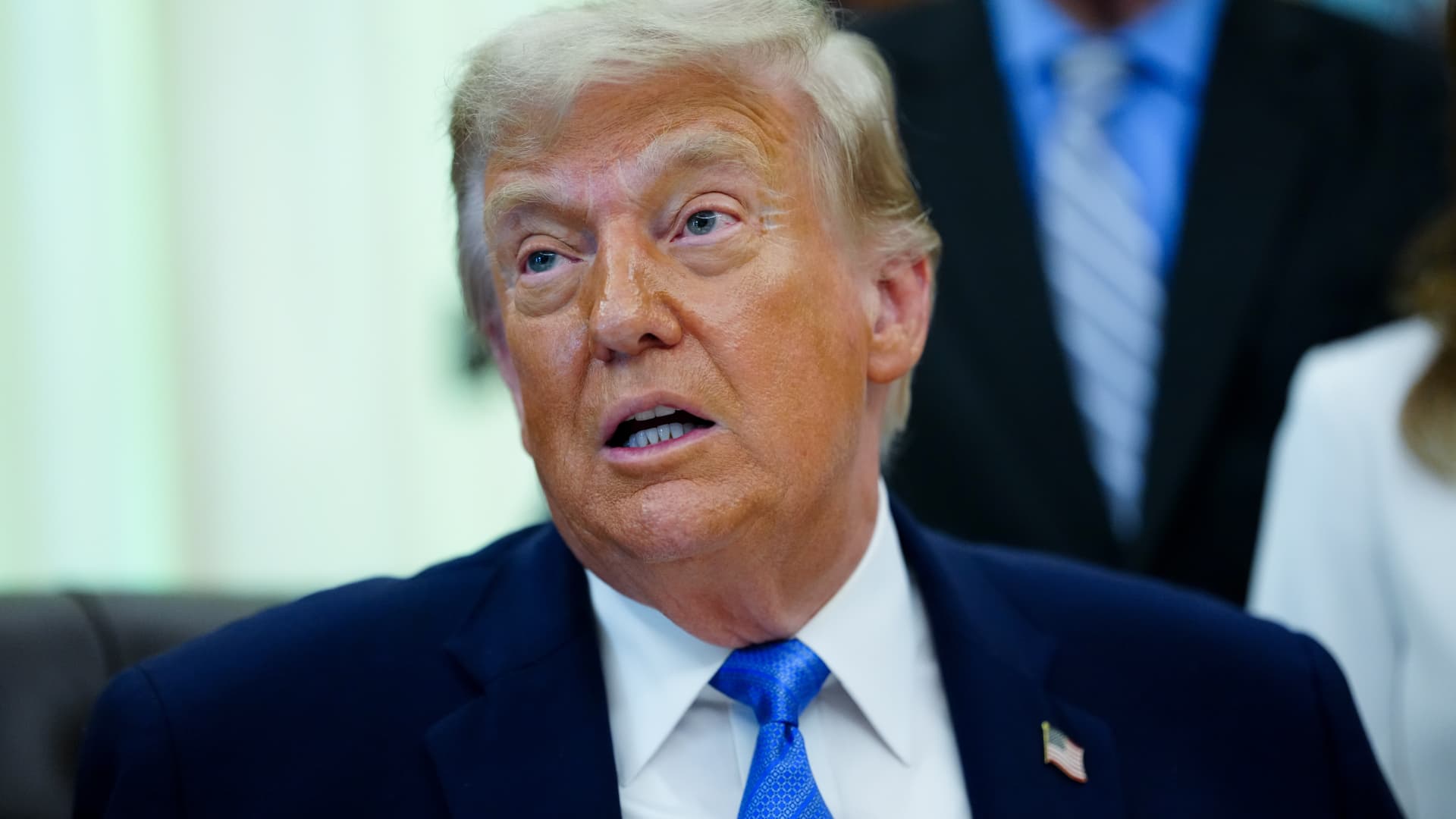
The strikes landed on the same day President Donald Trump hosted Israeli Prime Minister Benjamin Netanyahu at the White House for their first in-person meeting since a broader Middle East war began in late February. The session lasted roughly 90 minutes and was described by the administration as "positive and productive." Netanyahu called it "one of the best conversations I've ever had with the president of the United States" and said the two discussed ensuring Iran does not obtain nuclear weapons. Trump offered a briefer assessment: "very good meeting."
Israel has not been directly involved in the recent round of US-Iran hostilities, which reignited this month after an April ceasefire broke down. The Trump-Netanyahu talks were also expected to cover the implementation of a US-sponsored framework deal signed by Israel and Lebanon last month, a process described as challenging on the ground. Gaza was expected to feature as well, given that reconstruction efforts in the territory remain stalled and the humanitarian situation there continues to worsen. It was not immediately confirmed whether those specific topics came up.
Danny Danon, Israel's ambassador to the United Nations, said the visit came at a "critical time," citing Iran's continued blocking of Hormuz and what he described as Tehran choosing terrorism over negotiations.
The convergence of the Iraq strikes, the Hormuz confrontations, and the Washington summit makes the next 48 to 72 hours a key window. If Iran responds to the Iraq strikes with another missile salvo or further tanker seizures, the brief pause will have achieved little and the pressure on Gulf oil infrastructure will intensify. Watch for any signal from Tehran on whether it considers the IRGC's proxy networks in Iraq a separate channel from direct Iran-US diplomacy, and whether Oman's mediation role in Hormuz can survive the latest round of attacks on ships using its waters.