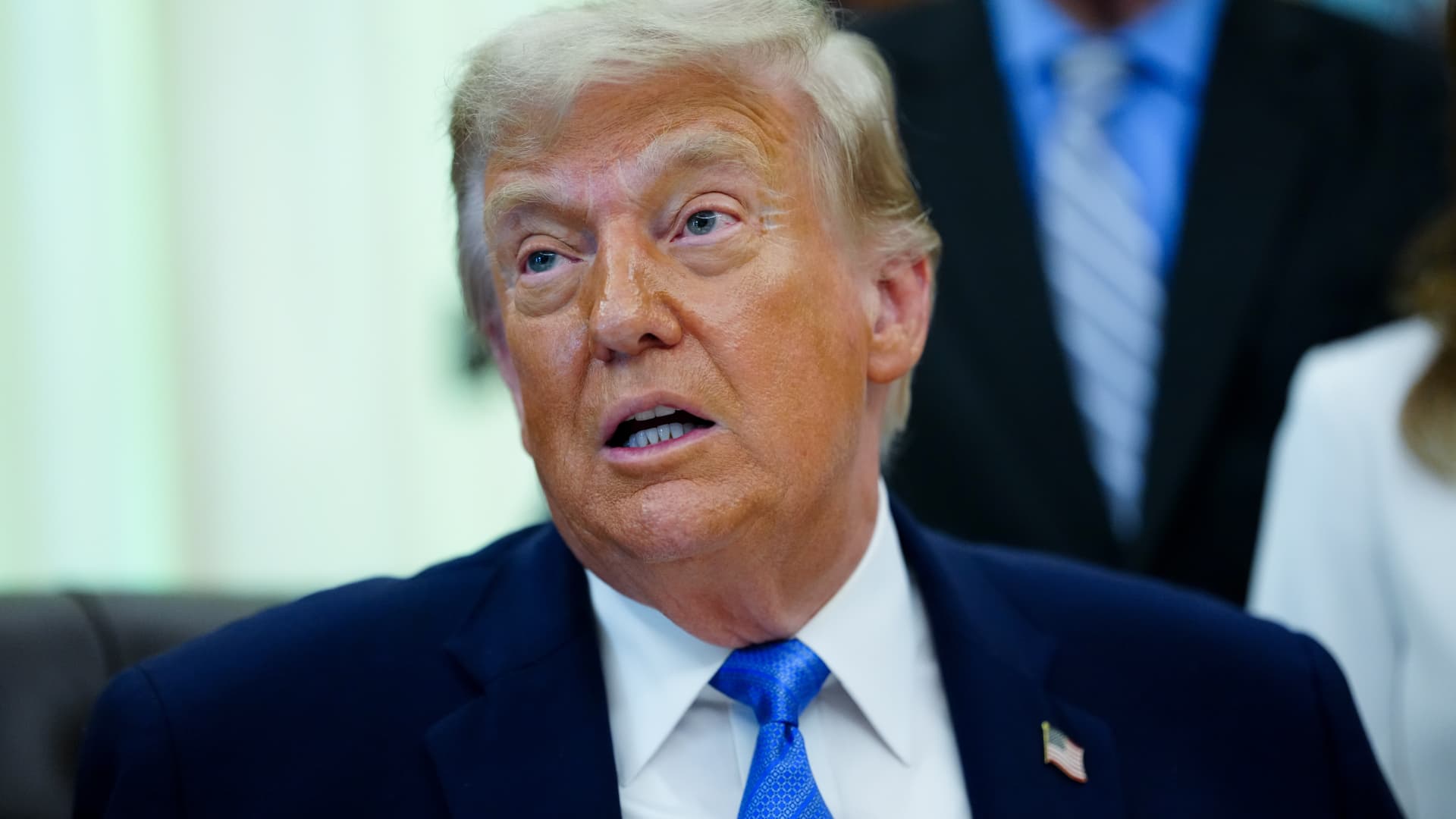
President Donald Trump called off planned military strikes against Iran that had been scheduled for Thursday evening, stepping back from what would have been a significant escalation in tensions between the two countries.
The cancellation comes at a moment when U.S.-Iran relations have been under intense pressure. Military action of this scale against Iran would have marked a dramatic shift in American policy, with potential to reshape security dynamics across the Middle East.
What Was at Stake
Strikes of this kind, had they gone forward, would have carried serious consequences far beyond the immediate military exchange. Iran has the capacity to respond through proxy forces across Iraq, Syria, Lebanon, and Yemen, meaning a single night of strikes could trigger a much wider regional conflict. Oil markets are acutely sensitive to any threat to Persian Gulf shipping lanes, through which a large share of global crude supply moves.
The fact that strikes were scheduled and then cancelled also signals a level of internal deliberation, or last-minute diplomatic movement, that often precedes either a deal or a deeper confrontation. The pattern is not new: in June 2019, Trump approved and then called off strikes against Iran within hours, citing potential casualties.
What to Watch Next
The cancellation does not resolve whatever triggered the planning in the first place. The core issues driving U.S.-Iran friction, including Iran's nuclear program and its support for armed groups in the region, remain unchanged. Whether this pause leads to back-channel negotiations or simply delays military action is the central question now.
Energy markets, regional governments, and U.S. allies in the Gulf will be watching closely for any official statement explaining the decision. The absence of a strike does not mean the threat has passed. If anything, the fact that strikes reached the scheduling stage suggests the situation remains volatile.
Investors with exposure to Middle East assets, defense stocks, or oil markets should treat this as an unresolved situation rather than a de-escalation. Until there is a clear diplomatic framework or an official explanation from the White House, the risk premium attached to Gulf stability is unlikely to fully unwind.