
Qatar Signals Progress in US-Iran War Talks
Qatar's foreign ministry said mediators including Qatar, Pakistan, and Oman have reached "very progressive stages" in efforts to end the US-Iran war, pushing Brent crude down more than four percent.
Key Takeaways
May 2, 2026 · 2 min read · By Rishabh Bhardwaj
·
AI-assisted, human-reviewed · Our editorial standards
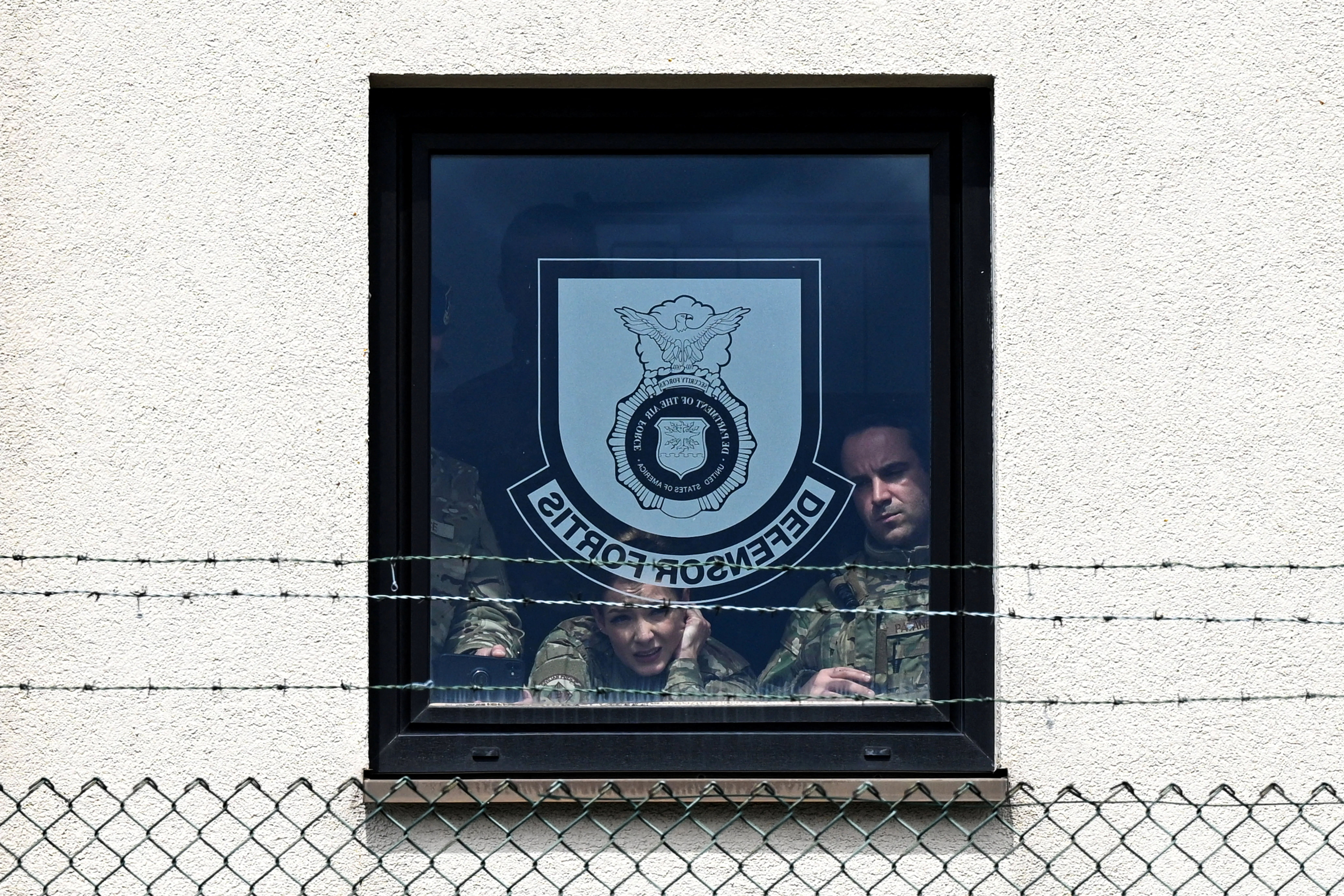
The United States is planning to withdraw roughly 5,000 troops from Germany, according to reports, in a move tied to a broader dispute between Washington and European allies over military action against Iran.
The friction centers on Trump's push for stronger European backing for a potential war against Iran. European governments have been reluctant to commit, and that resistance appears to have consequences for the US military footprint on the continent.
The reported figure of 5,000 troops is a meaningful but not total reduction. The US maintains tens of thousands of military personnel across Germany, making this a pointed signal rather than a wholesale withdrawal. Germany hosts some of the largest US military installations in Europe, including Ramstein Air Base, which serves as a critical logistics and command hub for operations across Europe, Africa, and the Middle East.
No official Pentagon confirmation or formal order has been cited in available reporting, and the exact timeline, affected units, or destination of the troops has not been specified. The move is described as connected to Trump's frustration with European allies rather than a strategic repositioning driven by military need.
Troop presence in Germany is not just symbolic. It underpins NATO's collective defense posture, rapid-response capability in Eastern Europe, and the logistics chain that supports US operations globally. Any reduction sends a signal to both allies and adversaries about American commitment to European security at a time when that commitment is already under scrutiny.
The Iran dimension adds a second layer of complexity. European powers, particularly France, Germany, and the UK, have generally favored diplomatic engagement with Tehran over military escalation. Trump's pressure to align more closely with a hawkish Iran posture has been a fault line in transatlantic relations throughout his presidency.
If the withdrawal proceeds, it could accelerate pressure on European NATO members to independently increase defense spending and capability, a goal Trump has long pushed. It may also complicate intelligence-sharing and joint operational planning at a sensitive moment in Middle East tensions.
Watch for a formal Pentagon announcement, any German government response, and whether other European allies face similar pressure as the Iran standoff continues.
Qatar's foreign ministry said mediators including Qatar, Pakistan, and Oman have reached "very progressive stages" in efforts to end the US-Iran war, pushing Brent crude down more than four percent.
Qatar confirmed it is mediating between the US and Iran but said no direct talks are currently planned. The clarification follows conflicting statements from President Trump, who claimed talks are under way, and Tehran, which denied any dialogue is happening.
Saudi Aramco reported sharply higher second-quarter 2026 profits as the Iran war restricts global oil supply and pushes crude prices up. Other oil supermajors also posted outsized earnings, raising concerns about sustained fuel cost pressure for importing economies.
President Trump called current Iran negotiations the "last chance" to end five months of conflict, pushing oil prices higher. Tehran denied formal talks are taking place, raising the risk of a diplomatic breakdown with direct consequences for global energy markets.