
Qatar Signals Progress in US-Iran War Talks
Qatar's foreign ministry said mediators including Qatar, Pakistan, and Oman have reached "very progressive stages" in efforts to end the US-Iran war, pushing Brent crude down more than four percent.
Key Takeaways
May 7, 2026 · 2 min read · By Rishabh Bhardwaj
·
AI-assisted, human-reviewed · Our editorial standards
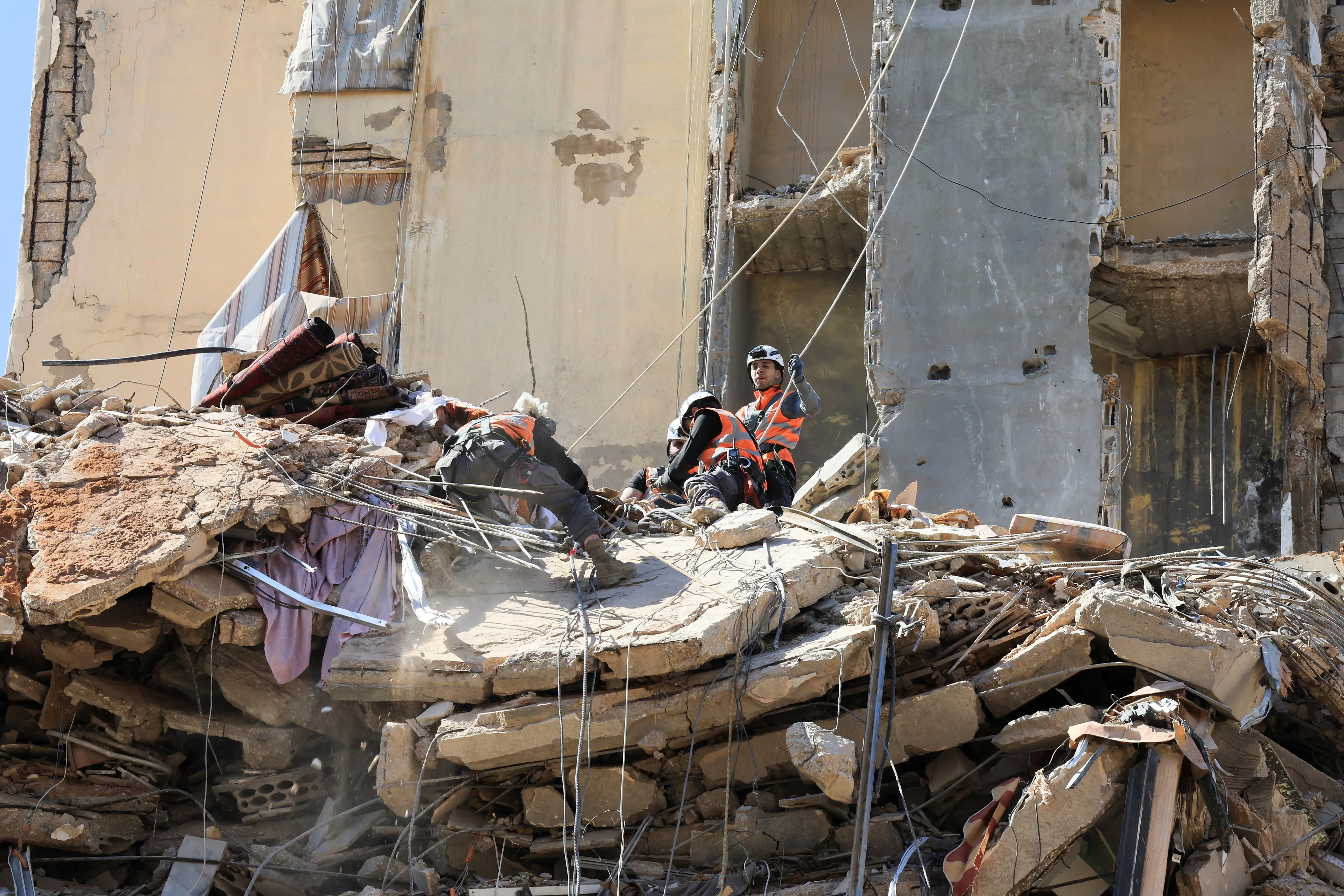
The United States is pressing Israel to de-escalate tensions as both sides prepare for a new round of talks between Lebanese and Israeli delegations in Washington, DC, next week, according to a Lebanese official speaking to Al Jazeera.
The timing of the American push is significant. Washington is stepping in ahead of the negotiations, signaling it wants the atmosphere to be calm enough for talks to move forward. Whether that pressure translates into concrete Israeli concessions on the ground remains an open question.
Details about the specific agenda for next week's Washington meeting are limited in the current reporting. What is clear is that the US is playing an active mediating role, channeling diplomatic pressure on Israel before the delegations sit down.
Lebanon and Israel do not have formal diplomatic relations, which means any direct engagement requires a third-party host. Washington has played that role before, including in border demarcation talks that produced a maritime boundary agreement in 2022.
The US push for de-escalation ahead of scheduled talks follows a period of heightened tension along the Lebanon-Israel border. American involvement at this stage suggests Washington believes the security environment needs to stabilize before diplomacy can make progress.
For Lebanon, securing a US-backed negotiating process carries both political and security weight, especially given the country's fragile economic and institutional state. For Israel, American diplomatic pressure ahead of talks is a familiar dynamic, though how much it shapes Israeli military posture depends on the specifics of what Washington is asking.
The outcome of next week's meeting could shape the near-term trajectory of one of the Middle East's most sensitive border situations. Observers will be watching whether the de-escalation push holds and whether the delegations emerge with any agreed framework or next steps.
Qatar's foreign ministry said mediators including Qatar, Pakistan, and Oman have reached "very progressive stages" in efforts to end the US-Iran war, pushing Brent crude down more than four percent.
Qatar confirmed it is mediating between the US and Iran but said no direct talks are currently planned. The clarification follows conflicting statements from President Trump, who claimed talks are under way, and Tehran, which denied any dialogue is happening.
Saudi Aramco reported sharply higher second-quarter 2026 profits as the Iran war restricts global oil supply and pushes crude prices up. Other oil supermajors also posted outsized earnings, raising concerns about sustained fuel cost pressure for importing economies.
President Trump called current Iran negotiations the "last chance" to end five months of conflict, pushing oil prices higher. Tehran denied formal talks are taking place, raising the risk of a diplomatic breakdown with direct consequences for global energy markets.