
Qatar Signals Progress in US-Iran War Talks
Qatar's foreign ministry said mediators including Qatar, Pakistan, and Oman have reached "very progressive stages" in efforts to end the US-Iran war, pushing Brent crude down more than four percent.
Key Takeaways
June 20, 2026 · 3 min read · By Rishabh Bhardwaj
·
AI-assisted, human-reviewed · Our editorial standards
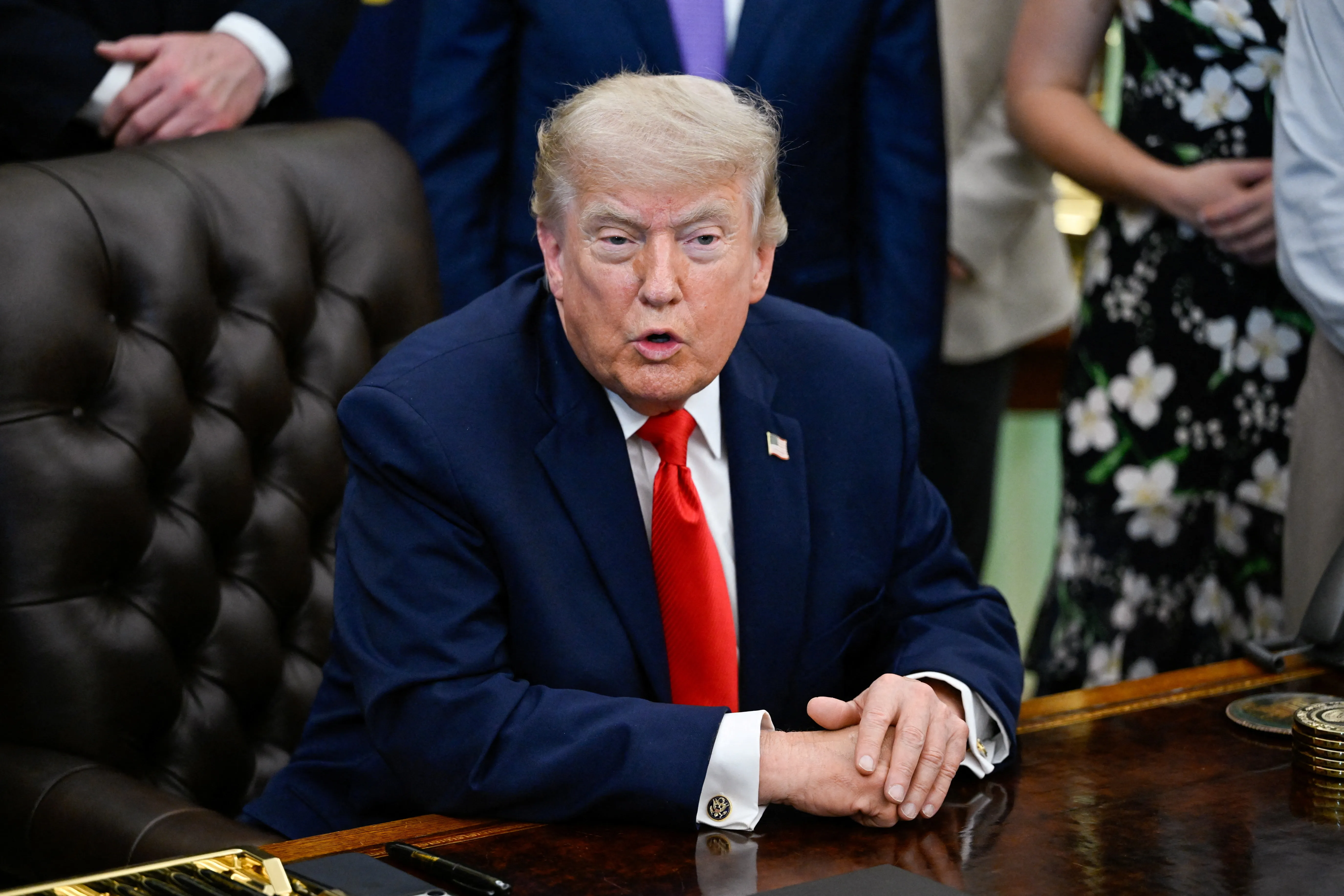
US President Donald Trump has announced that a deal between the United States and Iran will be signed on Sunday, June 21, 2026. The announcement, made by Trump directly, signals that weeks or months of diplomatic back-and-forth between Washington and Tehran have reached a conclusion point significant enough for a formal signing ceremony.
Trump did not specify the full terms of the deal in the announcement. The nature of the agreement, whether it covers Iran's nuclear program, sanctions relief, regional security arrangements, or some combination, remains to be detailed in official disclosures ahead of or at the signing.
A formal US-Iran agreement would mark one of the most significant shifts in Middle East diplomacy in years. The two countries have had no normal diplomatic relations since 1980, and direct or structured deals between them are rare. Any agreement that reduces sanctions pressure on Iran, or that constrains its nuclear activities, carries immediate consequences for global oil markets, regional stability, and the broader architecture of Western policy toward Tehran.
Iran is a major oil producer and a key player in global energy supply. If the deal includes any lifting of US oil sanctions, Iranian crude could return to international markets in larger volumes. That additional supply would put downward pressure on global oil prices, affecting energy costs for consumers and revenues for competing producers including Gulf states and Russia.
For financial markets more broadly, a US-Iran deal removes a significant geopolitical risk premium that has been baked into oil and some commodity prices. Equity markets in sectors sensitive to Middle East stability, including defense, energy, and shipping, could reprice quickly once deal terms become clear.
The signing is set for Sunday, June 21. The immediate focus will be on the specific commitments each side has made. Key questions include whether Iran agrees to cap or roll back uranium enrichment, what sanctions the US agrees to lift and on what timeline, and whether allied governments in Europe and the Gulf were consulted or are co-signatories.
The US Congress may also have a role depending on how the deal is structured. If it is framed as an executive agreement rather than a formal treaty, it would not require Senate ratification, but it could face legal or political challenges from lawmakers who oppose engagement with Tehran.
Reactions from Israel, Saudi Arabia, and other regional powers will shape how durable the agreement proves. Past US-Iran diplomatic frameworks have been vulnerable to reversal when regional allies pushed back or when domestic political conditions changed. The durability of this deal will depend heavily on its legal form and the breadth of international support it attracts on Sunday and in the days that follow.
Qatar's foreign ministry said mediators including Qatar, Pakistan, and Oman have reached "very progressive stages" in efforts to end the US-Iran war, pushing Brent crude down more than four percent.
Qatar confirmed it is mediating between the US and Iran but said no direct talks are currently planned. The clarification follows conflicting statements from President Trump, who claimed talks are under way, and Tehran, which denied any dialogue is happening.
Saudi Aramco reported sharply higher second-quarter 2026 profits as the Iran war restricts global oil supply and pushes crude prices up. Other oil supermajors also posted outsized earnings, raising concerns about sustained fuel cost pressure for importing economies.
President Trump called current Iran negotiations the "last chance" to end five months of conflict, pushing oil prices higher. Tehran denied formal talks are taking place, raising the risk of a diplomatic breakdown with direct consequences for global energy markets.