
Qatar Signals Progress in US-Iran War Talks
Qatar's foreign ministry said mediators including Qatar, Pakistan, and Oman have reached "very progressive stages" in efforts to end the US-Iran war, pushing Brent crude down more than four percent.
Key Takeaways
July 31, 2026 · 4 min read · By Rishabh Bhardwaj
·
AI-assisted, human-reviewed · Our editorial standards
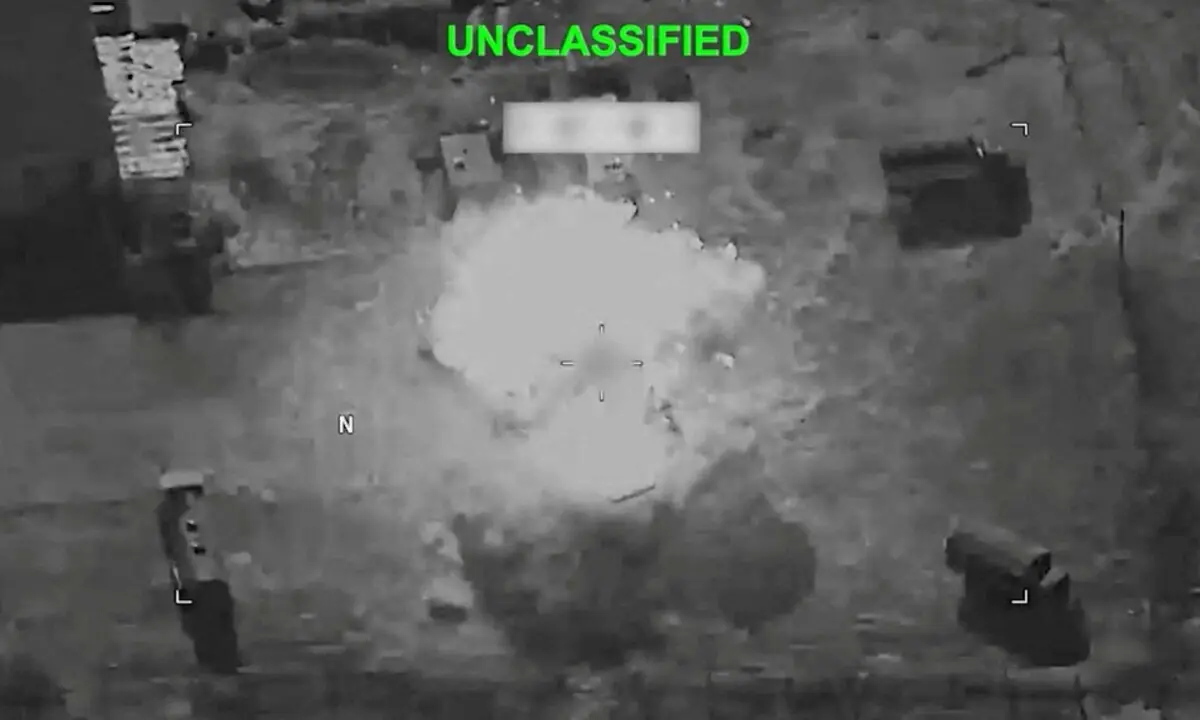
The US military struck dozens of Iranian Revolutionary Guard targets on Thursday in what it called a "heavy wave of strikes," retaliating after Iran fired missiles at American bases in Jordan. US Central Command said the operation hit military command centres and other IRGC facilities, aiming to reduce threats to American forces, commercial shipping, and Gulf neighbours. The strikes mark a sharp escalation after a nearly week-long pause in hostilities that had briefly raised hopes of a return to diplomatic talks.
Iranian state media reported hits across multiple locations in Khuzestan province in the southwest, including areas around Abadan, Shadegan, Arvandkenar, and Ahvaz, as well as Qeshm island in the Gulf. The Fars news agency cited the Hormozgan University of Medical Sciences reporting that a US strike on a residential home in Qeshm's Chah Tangu neighbourhood killed a family of three, including a two-year-old child, with two other children injured.
Iran's Islamic Revolutionary Guard Corps said it targeted US bases in Jordan and vowed the "resistance will continue" as long as threats against Iran persist. Jordan's army said it intercepted five Iranian missiles. The exchange effectively closed off any near-term path to negotiations, including over the Strait of Hormuz, which Iran has blockaded for much of the war and is now charging passage fees that Washington rejects.
The conflict is spreading well beyond Iran's borders. Saudi Arabia and the United States jointly struck militant bases in Iraq on Wednesday, targeting logistics and weapons sites belonging to an Iran-aligned group. Iraq's Hashed al-Shaabi alliance said at least 20 of its members were killed, and two Hashed officials told reporters that five Iranian advisers were among the dead. Coffins draped with Iranian flags were seen by reporters on the ground. Iraq condemned the strikes as a sovereignty violation and said it would "confront any violation" of its territory, though US President Donald Trump said the operation was coordinated with the Iraqi government.
Saudi Arabia, the world's largest oil exporter, also reported two consecutive days of drone attacks on its crude facilities, which it attributed to Iraqi armed groups allied with Tehran. Those attacks prompted the joint US-Saudi air operation in Iraq. The episode underscores how the war has drawn in regional players, with Saudi Arabia now directly exposed to Iran-linked military pressure on its energy infrastructure.
On the Lebanese front, Israel accused Hezbollah of deploying a drone overnight against an Israeli vehicle inside Lebanon, calling it a "blatant violation" of the existing ceasefire. Israel fought alongside the US in the early weeks of the conflict against Iran and battled Hezbollah simultaneously, but has not joined the latest round of direct strikes on Iran.
The Strait of Hormuz remains the economic pressure point of the war. Iran's Revolutionary Guards said on Wednesday they attacked and stopped three tankers in the strait and declared "full control" of the waterway. Tehran has announced plans to collect transit fees, a step Washington formally opposes. The strait is a critical chokepoint for global energy shipments, and any sustained disruption raises costs for importers worldwide.
Crude oil prices slipped on Thursday after a sharp jump the previous day, suggesting markets are recalibrating between supply-risk fears and the possibility that the conflict remains contained to targeted strikes rather than a full infrastructure shutdown. The US Treasury announced new sanctions targeting entities linked to the IRGC that it accused of extorting ships transiting the strait, adding another layer of financial pressure on Iran's military-commercial network.
The war began on February 28, 2026, when the US and Israel struck Iran and Tehran responded with attacks on Israel and Gulf states hosting US bases. Thousands have been killed and millions displaced since. The latest escalation, including strikes on Iraqi soil and renewed Iranian missile launches into Jordan, signals that neither side is close to a ceasefire. Diplomatic channels that the pause was meant to reopen now appear stalled, and the question is whether Iraq, which sits between the two blocs, can hold its stated neutrality under mounting pressure from Washington and Tehran alike.
Investors and energy markets will be watching whether Iran extends its tanker seizures or moves to physically close the strait, which would trigger a far sharper oil-price response than anything seen so far. The next 72 hours of military and diplomatic signalling will likely determine whether this escalation cycle has a ceiling or continues to climb.
Qatar's foreign ministry said mediators including Qatar, Pakistan, and Oman have reached "very progressive stages" in efforts to end the US-Iran war, pushing Brent crude down more than four percent.
Qatar confirmed it is mediating between the US and Iran but said no direct talks are currently planned. The clarification follows conflicting statements from President Trump, who claimed talks are under way, and Tehran, which denied any dialogue is happening.
Saudi Aramco reported sharply higher second-quarter 2026 profits as the Iran war restricts global oil supply and pushes crude prices up. Other oil supermajors also posted outsized earnings, raising concerns about sustained fuel cost pressure for importing economies.
President Trump called current Iran negotiations the "last chance" to end five months of conflict, pushing oil prices higher. Tehran denied formal talks are taking place, raising the risk of a diplomatic breakdown with direct consequences for global energy markets.