
Qatar Signals Progress in US-Iran War Talks
Qatar's foreign ministry said mediators including Qatar, Pakistan, and Oman have reached "very progressive stages" in efforts to end the US-Iran war, pushing Brent crude down more than four percent.
Key Takeaways
May 8, 2026 · 2 min read · By Rishabh Bhardwaj
·
AI-assisted, human-reviewed · Our editorial standards
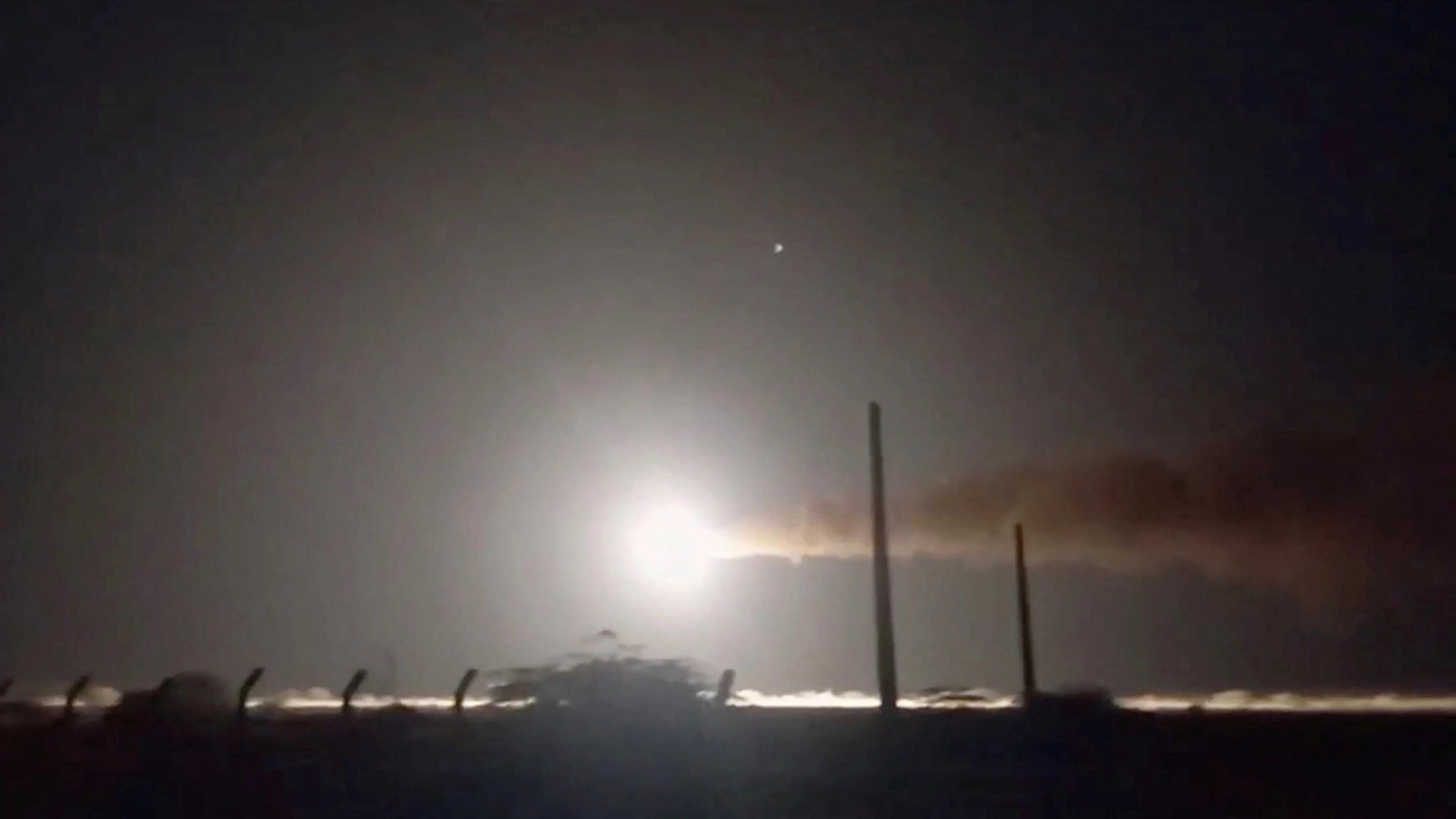
A ceasefire between the United States and Iran has been in place since April 8, but neither side has yet agreed on a formal peace deal, leaving the situation in the Strait of Hormuz fragile and unresolved.
The Strait of Hormuz is one of the world's most critical oil transit points. Roughly 20 percent of global oil supply passes through it daily, linking Gulf producers, Saudi Arabia, the UAE, Kuwait, and Iraq, to markets in Asia and Europe. Any sustained disruption there sends oil prices higher almost immediately and puts pressure on shipping insurance costs, freight rates, and energy-dependent economies worldwide.
A ceasefire halts active hostilities but does not resolve the underlying dispute. Without a peace deal, both sides retain the option to resume operations, and military assets remain positioned in and around the strait. That ambiguity alone is enough to keep a risk premium baked into oil prices.
Ceasefires and formal agreements are very different things. A ceasefire is a temporary pause, both sides agree to stop shooting. A peace deal requires resolving the political and security disagreements that started the conflict. The fact that talks have not produced an agreement yet suggests the core issues remain contested, though the specific sticking points are not detailed in available reporting.
For markets and policymakers, the gap between a ceasefire and a deal is the key variable to watch. The longer that gap holds, the higher the probability of either a breakdown or a negotiated settlement, and both outcomes carry significant consequences for energy prices, regional trade, and Gulf security arrangements.
India is particularly exposed here. India is one of the largest importers of Gulf crude oil and relies heavily on the Hormuz corridor for its energy supply. Any escalation that disrupts tanker traffic would push up India's import bill, widen its trade deficit, and add to domestic fuel price pressure.
What to watch: whether formal negotiations begin, whether either side takes steps to redeploy military assets away from the strait, and whether a third-party mediator, such as Oman, which has historically played that role, steps in to bridge the gap between the two sides.
Qatar's foreign ministry said mediators including Qatar, Pakistan, and Oman have reached "very progressive stages" in efforts to end the US-Iran war, pushing Brent crude down more than four percent.
Qatar confirmed it is mediating between the US and Iran but said no direct talks are currently planned. The clarification follows conflicting statements from President Trump, who claimed talks are under way, and Tehran, which denied any dialogue is happening.
Saudi Aramco reported sharply higher second-quarter 2026 profits as the Iran war restricts global oil supply and pushes crude prices up. Other oil supermajors also posted outsized earnings, raising concerns about sustained fuel cost pressure for importing economies.
President Trump called current Iran negotiations the "last chance" to end five months of conflict, pushing oil prices higher. Tehran denied formal talks are taking place, raising the risk of a diplomatic breakdown with direct consequences for global energy markets.