
Qatar Signals Progress in US-Iran War Talks
Qatar's foreign ministry said mediators including Qatar, Pakistan, and Oman have reached "very progressive stages" in efforts to end the US-Iran war, pushing Brent crude down more than four percent.
Key Takeaways
July 26, 2026 · 4 min read · By Rishabh Bhardwaj
·
AI-assisted, human-reviewed · Our editorial standards
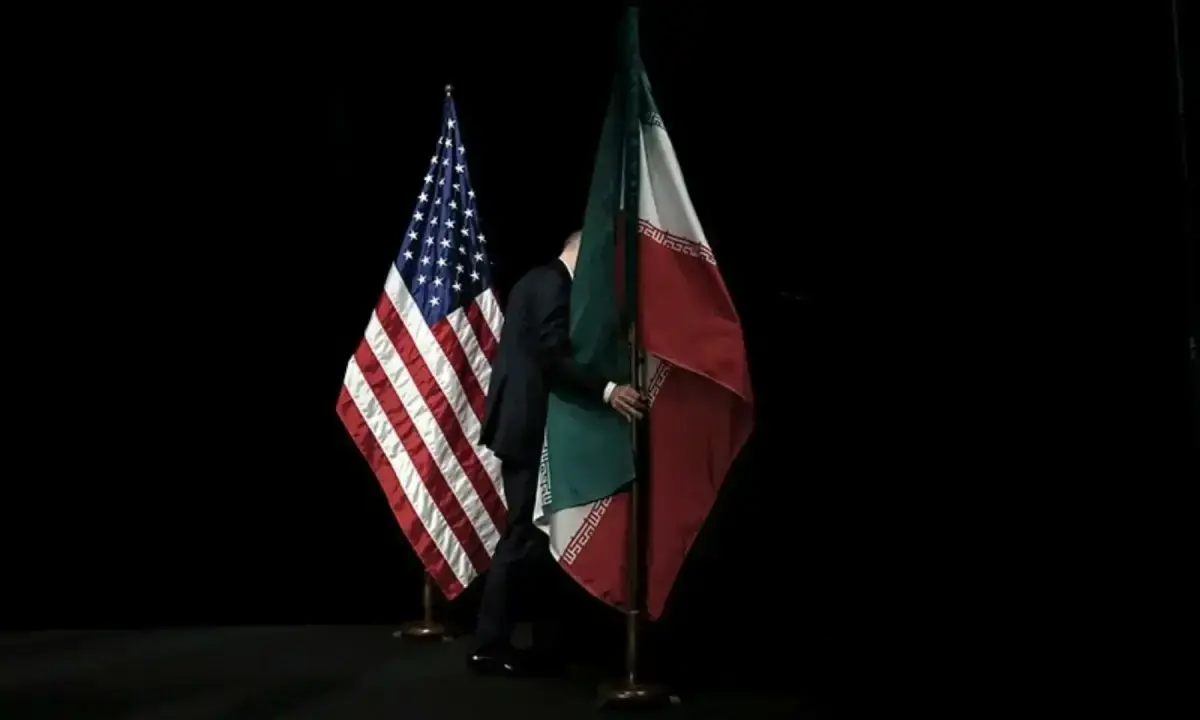
The United States has paused its nightly bombing campaign against Iran, with reports pointing to a dual pressure: dwindling stockpiles of key munitions and a White House calculation that further escalation carries serious strategic risks. The pause, covering at least one night between Saturday and Sunday, has opened a narrow window for diplomacy after nearly two weeks of consecutive US airstrikes.
CNN, citing an unidentified Pentagon source, reported that US operations against Iran are "on a hold." The New York Times, citing two people briefed on the matter, separately reported that plans to escalate the campaign have been shelved partly because of shrinking supplies of Patriot interceptors and other defensive weapons. The convergence of those two reports suggests the pause is not simply a tactical breath between strikes.
The Pentagon had prepared a plan for a 14th consecutive night of strikes, but President Donald Trump declined to authorise it, according to Axios, choosing instead to push for talks. Trump told reporters on Friday he had not decided whether to resume all-out operations and said Iran faced a clear choice: a deal, or strikes at a "much higher level." He added that talks were already under way and that Iran was becoming "more and more serious."
Two separate forces are pushing Washington toward restraint. The first is logistical. Patriot interceptor batteries are a finite resource, and extended high-tempo operations both offensive strikes and the defensive interceptions needed to protect US bases and Gulf allies burn through stockpiles faster than they can be replenished in theatre. The second is strategic. Vice President JD Vance and top US general Dan Caine both raised escalation concerns at a White House meeting on Friday. Caine told Trump the military could execute the available options but warned of the possible consequences, CNN reported.
Trump also faces three converging political pressures that the New York Times identified: the risk of a broader Middle East war, the alienation of vulnerable Gulf allies, and further shocks to the global economy. US midterm elections arrive in November, and a war that Trump once predicted would last four to five weeks is now entering its fifth month, weighing on his approval ratings.
The conflict began around the strategic Strait of Hormuz and has since expanded well beyond it. Iran's Revolutionary Guards reported stopping four ships attempting to transit the strait in a single 24-hour period, and Tehran's effective blockade of the waterway remains the central flashpoint. The strait carries roughly a fifth of global oil trade, and any sustained closure translates directly into energy price pressure worldwide.
Even as the US pauses, fighting has spread. Yemen's Houthi rebels said they struck Saudi Aramco facilities in Jizan and Yanbu on Saturday, one day after Saudi Arabia bombed Houthi targets. A surface-to-air battery operated by Greek personnel in Saudi Arabia intercepted two ballistic missiles and a drone over Yanbu, according to the Greek air force media office. The episode underlines how the conflict has pulled in regional actors well beyond the original US-Iran axis.
Iran's Foreign Minister Abbas Araghchi rejected blame for the escalation and offered to mediate between the Houthis and Riyadh, stating that "there is no military solution." The offer signals Tehran is trying to reframe itself as a potential broker rather than a belligerent, which could be useful diplomatic cover if talks with Washington gain traction.
For global markets, the key variable is the Strait of Hormuz. A negotiated reopening would ease oil supply anxiety quickly. A resumption of heavy US strikes, conversely, would likely push energy prices higher and add fresh volatility to risk assets already sensitive to the conflict's duration. The next few days, particularly whether Trump authorises a return to nightly strikes or a structured ceasefire framework emerges, will set the tone for both the battlefield and commodities markets.
Qatar's foreign ministry said mediators including Qatar, Pakistan, and Oman have reached "very progressive stages" in efforts to end the US-Iran war, pushing Brent crude down more than four percent.
Qatar confirmed it is mediating between the US and Iran but said no direct talks are currently planned. The clarification follows conflicting statements from President Trump, who claimed talks are under way, and Tehran, which denied any dialogue is happening.
Saudi Aramco reported sharply higher second-quarter 2026 profits as the Iran war restricts global oil supply and pushes crude prices up. Other oil supermajors also posted outsized earnings, raising concerns about sustained fuel cost pressure for importing economies.
President Trump called current Iran negotiations the "last chance" to end five months of conflict, pushing oil prices higher. Tehran denied formal talks are taking place, raising the risk of a diplomatic breakdown with direct consequences for global energy markets.