
Qatar Signals Progress in US-Iran War Talks
Qatar's foreign ministry said mediators including Qatar, Pakistan, and Oman have reached "very progressive stages" in efforts to end the US-Iran war, pushing Brent crude down more than four percent.
Key Takeaways
May 7, 2026 · 2 min read · By Rishabh Bhardwaj
·
AI-assisted, human-reviewed · Our editorial standards
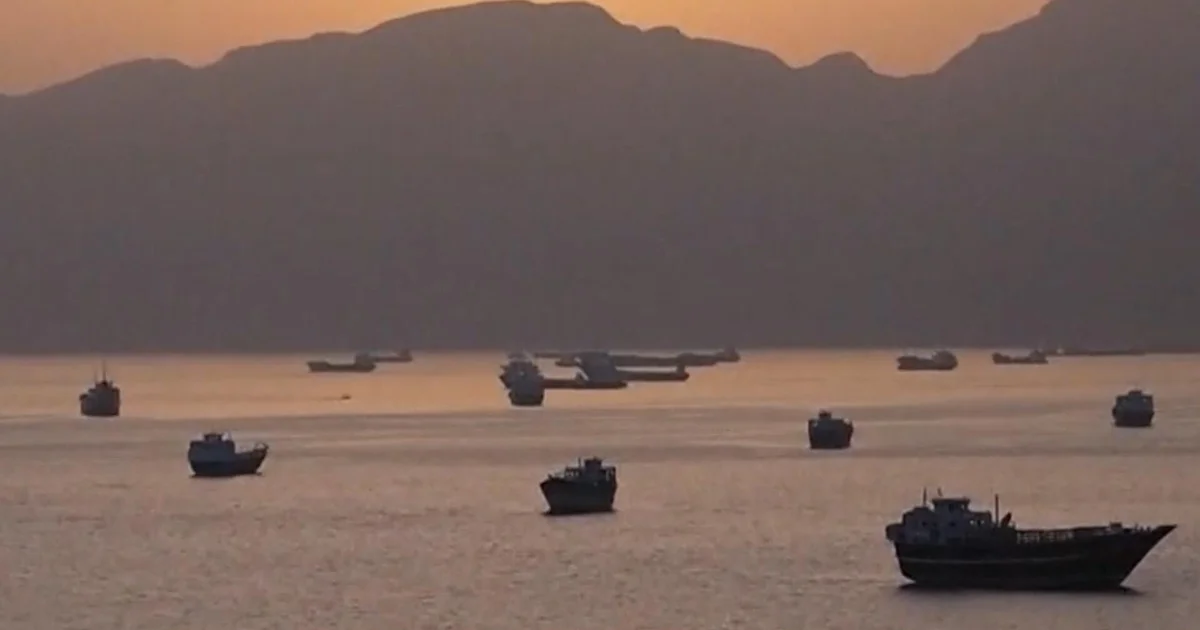
Three U.S. Navy destroyers stationed in the Strait of Hormuz repelled an attack by Iranian fast-attack boats, the U.S. military confirmed. In response, U.S. forces struck Iranian missile and drone launch sites, according to U.S. Central Command.
Iranian forces deployed a swarm of small, fast-attack vessels against the three destroyers in one of the world's most strategically sensitive waterways. The U.S. military did not specify casualties, damage, or the exact number of Iranian boats involved, but confirmed that American forces responded with strikes on the launch infrastructure used to deploy the missiles and drones.
The Strait of Hormuz is the narrow passage between the Persian Gulf and the Gulf of Oman. Roughly 20% of the world's traded oil passes through it, making any military confrontation there immediately relevant to global energy markets and shipping routes.
Fast-attack boat swarms are a known Iranian tactic, small, agile vessels are used to overwhelm larger warships through numbers and speed. Pairing them with missiles and drones compounds the threat and forces defenders to respond on multiple fronts at once. The fact that U.S. forces escalated by striking land-based launch sites marks a more direct engagement with Iranian military infrastructure than a purely defensive response would.
Any sustained confrontation in the Strait of Hormuz carries the risk of disrupting oil tanker traffic. Even the perception of instability in the region tends to push crude prices higher and raises insurance premiums for commercial vessels transiting the area.
The incident adds to a pattern of U.S.-Iran tensions in the Gulf region and raises questions about the rules of engagement going forward. Watch for any official Iranian response, further U.S. military statements from Central Command, and movement in oil futures as markets absorb news of the exchange.
Qatar's foreign ministry said mediators including Qatar, Pakistan, and Oman have reached "very progressive stages" in efforts to end the US-Iran war, pushing Brent crude down more than four percent.
Qatar confirmed it is mediating between the US and Iran but said no direct talks are currently planned. The clarification follows conflicting statements from President Trump, who claimed talks are under way, and Tehran, which denied any dialogue is happening.
Saudi Aramco reported sharply higher second-quarter 2026 profits as the Iran war restricts global oil supply and pushes crude prices up. Other oil supermajors also posted outsized earnings, raising concerns about sustained fuel cost pressure for importing economies.
President Trump called current Iran negotiations the "last chance" to end five months of conflict, pushing oil prices higher. Tehran denied formal talks are taking place, raising the risk of a diplomatic breakdown with direct consequences for global energy markets.