
Qatar Signals Progress in US-Iran War Talks
Qatar's foreign ministry said mediators including Qatar, Pakistan, and Oman have reached "very progressive stages" in efforts to end the US-Iran war, pushing Brent crude down more than four percent.
Key Takeaways
May 8, 2026 · 2 min read · By Rishabh Bhardwaj
·
AI-assisted, human-reviewed · Our editorial standards
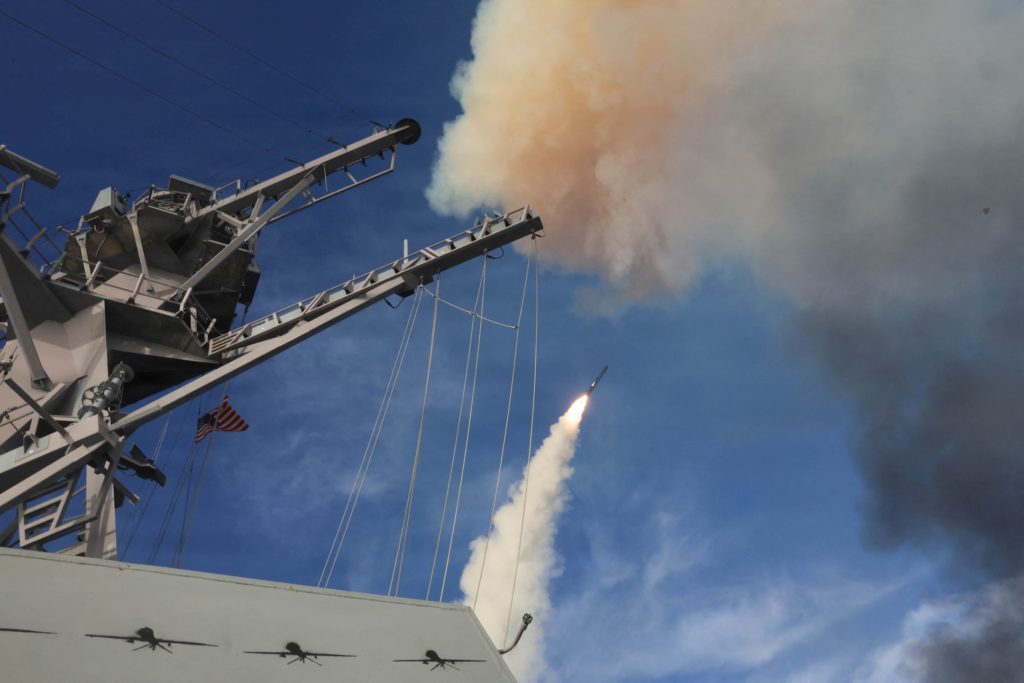
U.S. Navy destroyers and Iranian forces exchanged fire in the Strait of Hormuz, in the most serious military confrontation since a ceasefire between the two countries took effect roughly a month ago. The incident has produced sharply conflicting accounts from both sides and raised immediate questions about whether the truce will hold.
Iran's top military command accused the United States of violating the ceasefire, framing the exchange as an American provocation. Washington pushed back directly, saying the ceasefire remains in effect and offering a different version of events. Neither side's full account has been independently verified, and the details of what triggered the exchange, who fired first, what was targeted, and whether there were casualties, have not been disclosed in the available reporting.
The Strait of Hormuz is one of the world's most consequential waterways. Roughly 20 percent of global oil trade passes through it, connecting Gulf producers like Saudi Arabia, Iraq, and the UAE to markets in Asia and Europe. Any sustained military activity there carries immediate risk for energy prices and shipping insurance costs.
A breakdown in the ceasefire, or even prolonged ambiguity about its status, is enough to push oil markets into defensive positioning. Tanker operators and insurers treat Hormuz incidents as high-risk triggers, often resulting in sharp premium increases for vessels transiting the region.
The core tension now is whether this exchange is treated as a ceasefire breach or a contained incident. If Iran formally declares the truce void, the consequences for regional stability and energy markets would be significant. If both sides quietly de-escalate, the episode may harden internal debate in both capitals over the durability of any agreement.
The fact that Iran's top military command, not a lower-level spokesperson, made the accusation publicly suggests the incident will be difficult to dismiss without some form of official response. Watch for whether diplomatic channels move to contain the dispute or whether either side escalates its posture in the strait.
Qatar's foreign ministry said mediators including Qatar, Pakistan, and Oman have reached "very progressive stages" in efforts to end the US-Iran war, pushing Brent crude down more than four percent.
Qatar confirmed it is mediating between the US and Iran but said no direct talks are currently planned. The clarification follows conflicting statements from President Trump, who claimed talks are under way, and Tehran, which denied any dialogue is happening.
Saudi Aramco reported sharply higher second-quarter 2026 profits as the Iran war restricts global oil supply and pushes crude prices up. Other oil supermajors also posted outsized earnings, raising concerns about sustained fuel cost pressure for importing economies.
President Trump called current Iran negotiations the "last chance" to end five months of conflict, pushing oil prices higher. Tehran denied formal talks are taking place, raising the risk of a diplomatic breakdown with direct consequences for global energy markets.