
Qatar Signals Progress in US-Iran War Talks
Qatar's foreign ministry said mediators including Qatar, Pakistan, and Oman have reached "very progressive stages" in efforts to end the US-Iran war, pushing Brent crude down more than four percent.
Key Takeaways
May 25, 2026 · 3 min read · By Rishabh Bhardwaj
·
AI-assisted, human-reviewed · Our editorial standards
The United States and Iran are close to a nuclear deal that would require Tehran to surrender its stockpile of highly enriched uranium, reopen the Strait of Hormuz, and bring an end to the ongoing conflict, regional officials have told the Associated Press.
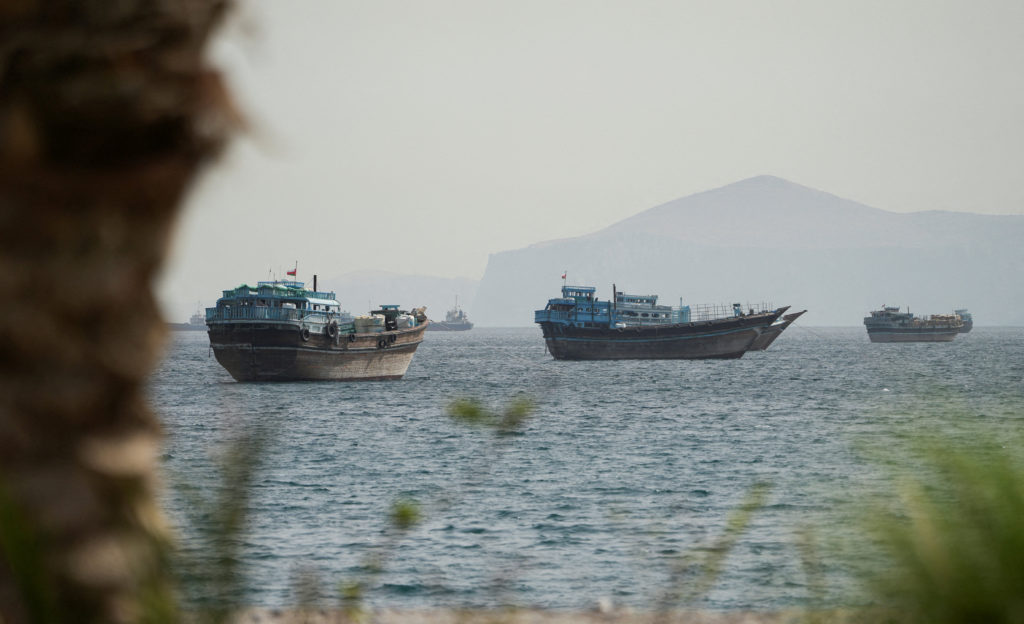
The potential agreement would address one of the most closely watched chokepoints in global energy markets. The Strait of Hormuz is a narrow waterway between Iran and Oman through which roughly a fifth of the world's oil supply passes. Any disruption there sends energy prices sharply higher, so a deal that formally reopens it to safe passage would carry immediate consequences for oil markets worldwide.
Highly enriched uranium is the core ingredient needed to build a nuclear weapon. Iran giving up its stockpile would represent a significant rollback of its nuclear program, going further than prior agreements that limited enrichment levels rather than eliminating the material entirely. The scale of that concession, if confirmed, would mark a notable shift in Iran's negotiating posture.
President Donald Trump, despite the reported progress, urged patience. His public comments signaled that while talks are advancing, Washington is not treating speed as a priority. That framing matters: it suggests the U.S. side believes it holds negotiating leverage and is not under pressure to close quickly.
The sourcing here is worth noting. The information comes from regional officials, not from either government directly. Neither Washington nor Tehran has officially confirmed the terms or timeline. Deals at this stage can still fall apart over technical details, verification mechanisms, or domestic political resistance on either side.
A finalized deal would carry broad consequences across energy, defense, and financial markets. Oil prices have historically reacted sharply to any escalation or de-escalation involving Iran, and a credible agreement could push crude prices lower as supply-route risk eases. Sanctions relief for Iran, if part of any final package, would also gradually reintroduce Iranian oil exports to global markets, adding further downward pressure on prices.
For the broader Middle East, a deal would reduce the immediate threat of conflict escalating into a wider regional war, something that has been a persistent risk given Iran's alliances with armed groups across the region.
On the nuclear side, if Iran genuinely surrenders its enriched uranium stockpile, it would set back any weapons-development timeline significantly. Rebuilding that stockpile takes time and would be detectable, giving international monitors more warning of any future breakout attempt.
What to watch next: whether either government officially confirms the outlines of a deal, what verification and inspection framework is attached to any uranium surrender, and whether the U.S. Congress signals support or resistance. Trump's comment about not rushing suggests further rounds of talks are likely before anything is signed.
Qatar's foreign ministry said mediators including Qatar, Pakistan, and Oman have reached "very progressive stages" in efforts to end the US-Iran war, pushing Brent crude down more than four percent.
Qatar confirmed it is mediating between the US and Iran but said no direct talks are currently planned. The clarification follows conflicting statements from President Trump, who claimed talks are under way, and Tehran, which denied any dialogue is happening.
Saudi Aramco reported sharply higher second-quarter 2026 profits as the Iran war restricts global oil supply and pushes crude prices up. Other oil supermajors also posted outsized earnings, raising concerns about sustained fuel cost pressure for importing economies.
President Trump called current Iran negotiations the "last chance" to end five months of conflict, pushing oil prices higher. Tehran denied formal talks are taking place, raising the risk of a diplomatic breakdown with direct consequences for global energy markets.