
Qatar Signals Progress in US-Iran War Talks
Qatar's foreign ministry said mediators including Qatar, Pakistan, and Oman have reached "very progressive stages" in efforts to end the US-Iran war, pushing Brent crude down more than four percent.
Key Takeaways
May 12, 2026 · 3 min read · By Rishabh Bhardwaj
·
AI-assisted, human-reviewed · Our editorial standards
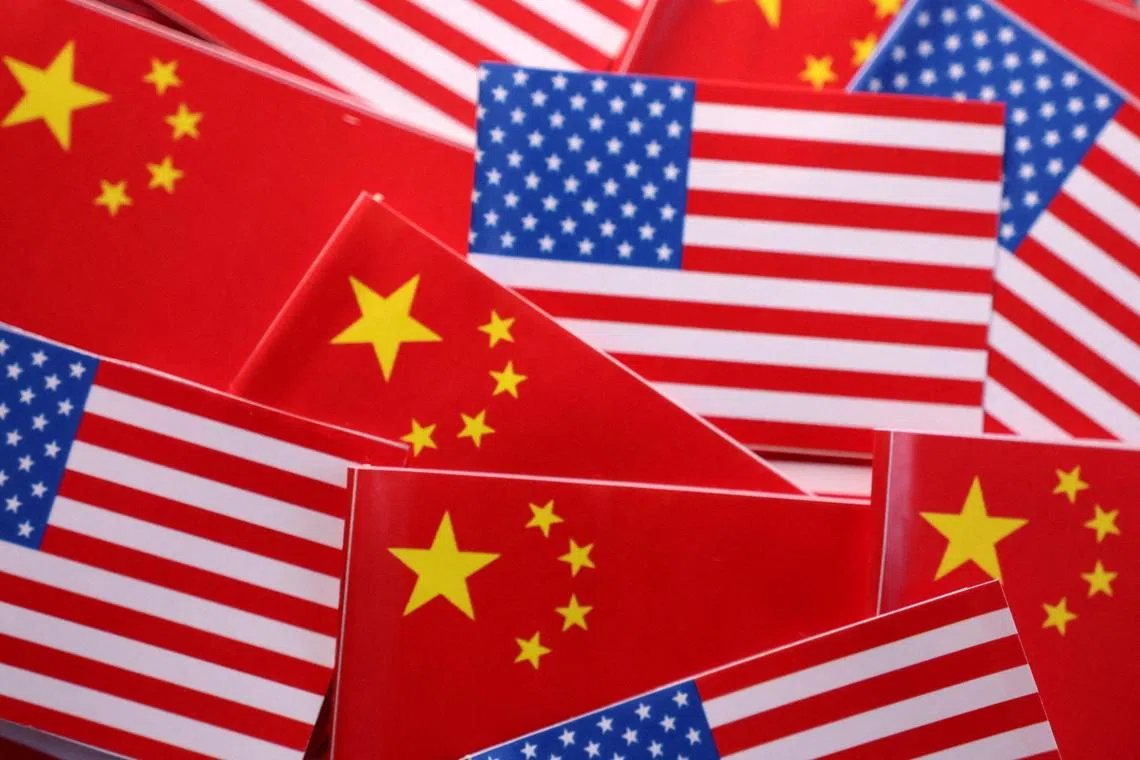
The rivalry between the United States and China over artificial intelligence and semiconductor chips is sharpening, even as the two countries prepare for a summit between Donald Trump and Xi Jinping. Whatever goodwill the meeting may generate, it is unlikely to slow the race for dominance in technologies both governments consider essential to future economic and military power.
AI and chips sit at the center of this contest. Semiconductors are the physical foundation of AI systems, powering everything from large language models to weapons guidance. Control over chip design, manufacturing, and supply chains is effectively control over who can build the most capable AI, and at what speed.
The US has spent several years tightening export controls on advanced chips and chip-making equipment, aiming to slow China's ability to develop cutting-edge AI systems. China, in turn, has poured state resources into building domestic alternatives, from chip fabrication to AI model development. Each side's moves tend to prompt counter-moves, creating a self-reinforcing cycle that diplomacy alone has struggled to interrupt.
A leader-level summit can shift tone and open channels for negotiation, but the underlying competition runs deeper than any single meeting can resolve. Both governments have framed AI and semiconductor leadership as national priorities, meaning the incentives pushing each side forward are structural, not just political. Domestic industry lobbying, military procurement, and long-term economic planning all pull in the same direction, regardless of what happens at the summit table.
For markets and businesses caught between the two powers, the uncertainty is the problem. Companies that sell chips or chip-making tools face ongoing compliance questions around export rules. Firms that source components globally must plan for a landscape where access to certain technologies could be restricted with limited notice. The summit may produce statements of intent, but the regulatory architecture on both sides is unlikely to be dismantled quickly.
The most meaningful signals will come not from the summit itself but from what follows. Watch for any adjustment to US export control lists, any change to how China allocates state funding for its chip sector, and whether any joint working groups or technical dialogues are announced. Those concrete steps would indicate whether the summit produced durable movement or simply managed atmospherics.
For investors tracking the semiconductor sector, the relevant question is whether restrictions tighten further, hold steady, or ease at the margin. Any easing would benefit companies with significant China exposure. Further tightening would accelerate the pressure on Chinese firms to find domestic alternatives and on US firms to redirect sales elsewhere.
The broader pattern is that the two largest economies are deliberately decoupling in specific high-technology areas while remaining commercially linked in others. That selective decoupling is hard to manage and creates persistent risk for global supply chains. A summit can reduce the temperature of the conversation, but the competition itself shows no sign of resolving anytime soon.
Qatar's foreign ministry said mediators including Qatar, Pakistan, and Oman have reached "very progressive stages" in efforts to end the US-Iran war, pushing Brent crude down more than four percent.
Qatar confirmed it is mediating between the US and Iran but said no direct talks are currently planned. The clarification follows conflicting statements from President Trump, who claimed talks are under way, and Tehran, which denied any dialogue is happening.
Saudi Aramco reported sharply higher second-quarter 2026 profits as the Iran war restricts global oil supply and pushes crude prices up. Other oil supermajors also posted outsized earnings, raising concerns about sustained fuel cost pressure for importing economies.
President Trump called current Iran negotiations the "last chance" to end five months of conflict, pushing oil prices higher. Tehran denied formal talks are taking place, raising the risk of a diplomatic breakdown with direct consequences for global energy markets.