
Qatar Signals Progress in US-Iran War Talks
Qatar's foreign ministry said mediators including Qatar, Pakistan, and Oman have reached "very progressive stages" in efforts to end the US-Iran war, pushing Brent crude down more than four percent.
Key Takeaways
May 7, 2026 · 2 min read · By Rishabh Bhardwaj
·
AI-assisted, human-reviewed · Our editorial standards
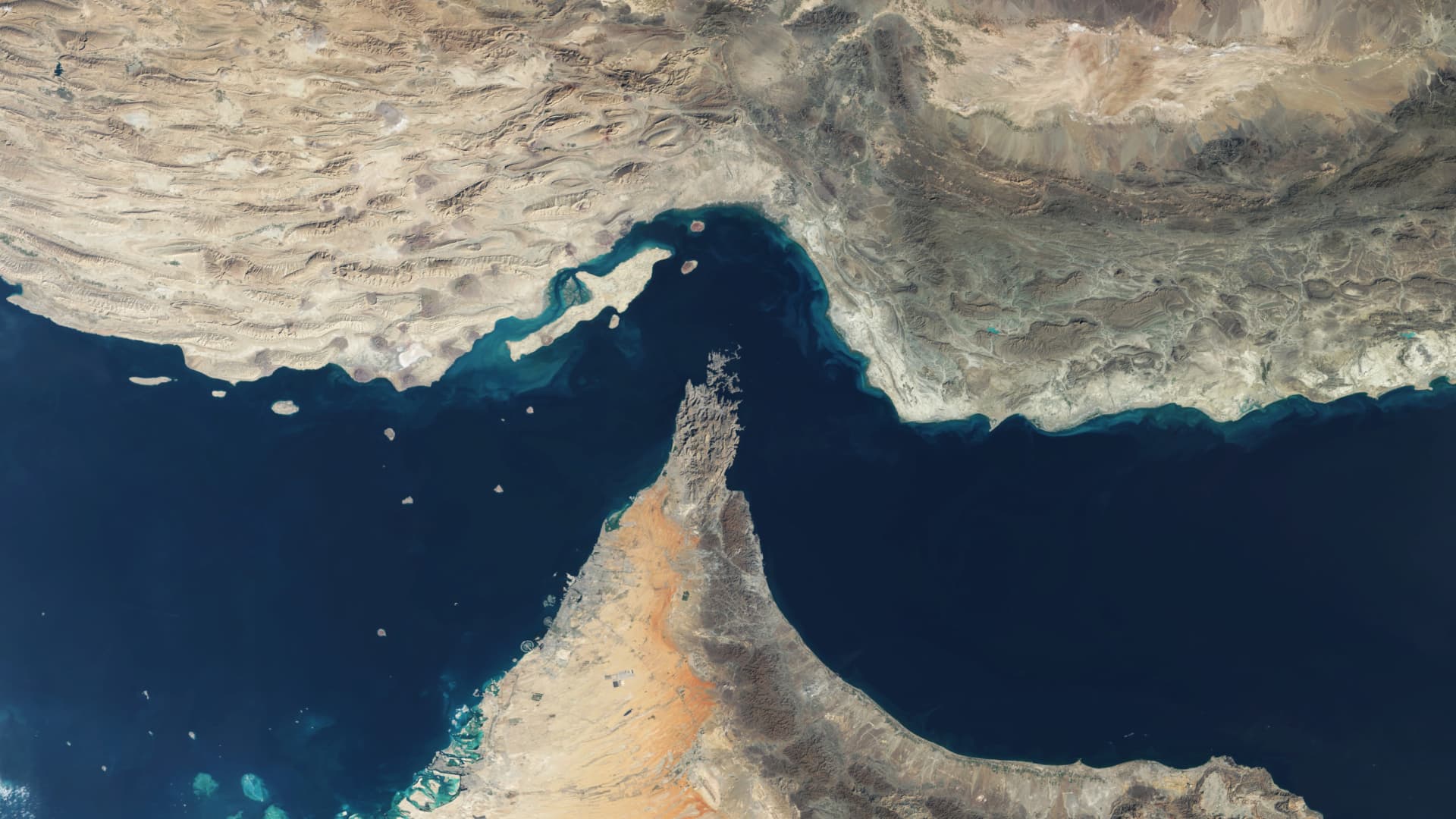
U.S. and Iranian forces exchanged fire in the Strait of Hormuz, with both sides claiming the other fired first. The incident marks a sharp escalation in tensions in one of the world's most strategically sensitive waterways.
The Strait of Hormuz is a narrow channel between Iran and Oman through which roughly 20% of the world's traded oil passes. Any military confrontation there carries immediate consequences for global energy supply and shipping insurance costs. A sustained disruption, even a short one, can move oil prices sharply and raise freight costs across the board.
Both the U.S. and Iran have a history of military posturing in the strait, but direct exchanges of fire between the two sides are rare and carry a different level of risk. When each party claims the other fired first, it complicates any diplomatic off-ramp and raises the probability of further exchanges rather than a quick de-escalation.
The immediate concern is whether this remains a contained incident or triggers a broader military response. Oil markets, shipping operators, and regional governments will be watching closely for any follow-up actions, particularly any move by Iran to restrict or threaten passage through the strait, which it has threatened in the past.
Shipping insurers are likely to reassess war-risk premiums for vessels transiting the region, which could raise costs for tankers and, downstream, for importers of Gulf crude. India, which sources a significant share of its oil from the Gulf, would be among the countries most exposed to a sustained disruption or price spike.
Details on casualties, the type of engagement, and the specific forces involved have not been confirmed in available reporting. Until those facts are established, the full scope of the incident remains unclear. What is clear is that conflicting claims from both sides make independent verification difficult and the diplomatic path narrower.
Qatar's foreign ministry said mediators including Qatar, Pakistan, and Oman have reached "very progressive stages" in efforts to end the US-Iran war, pushing Brent crude down more than four percent.
Qatar confirmed it is mediating between the US and Iran but said no direct talks are currently planned. The clarification follows conflicting statements from President Trump, who claimed talks are under way, and Tehran, which denied any dialogue is happening.
Saudi Aramco reported sharply higher second-quarter 2026 profits as the Iran war restricts global oil supply and pushes crude prices up. Other oil supermajors also posted outsized earnings, raising concerns about sustained fuel cost pressure for importing economies.
President Trump called current Iran negotiations the "last chance" to end five months of conflict, pushing oil prices higher. Tehran denied formal talks are taking place, raising the risk of a diplomatic breakdown with direct consequences for global energy markets.