
Qatar Signals Progress in US-Iran War Talks
Qatar's foreign ministry said mediators including Qatar, Pakistan, and Oman have reached "very progressive stages" in efforts to end the US-Iran war, pushing Brent crude down more than four percent.
Key Takeaways
May 10, 2026 · 2 min read · By Rishabh Bhardwaj
·
AI-assisted, human-reviewed · Our editorial standards
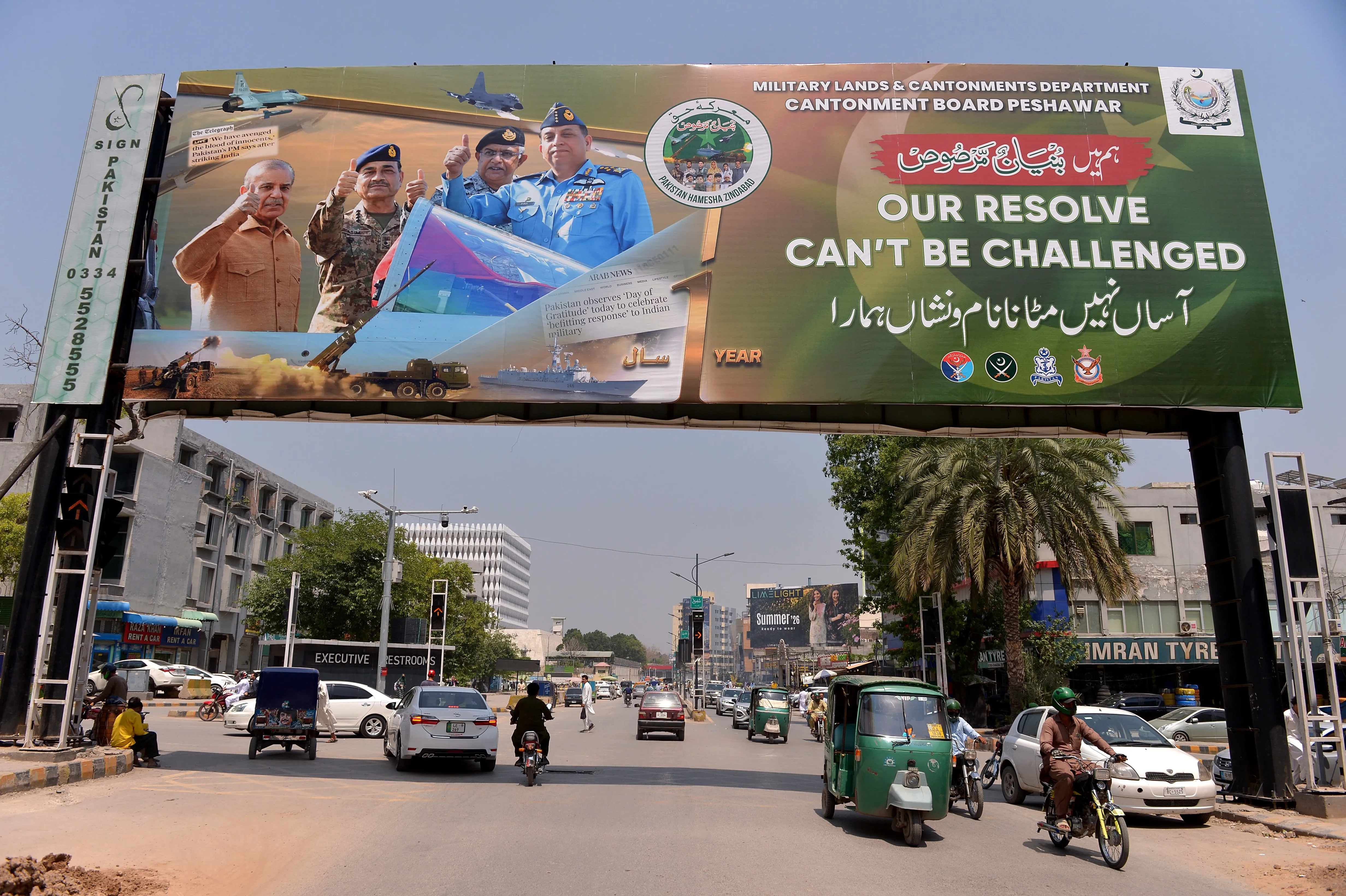
A year after the four-day military conflict between India and Pakistan, both countries are drawing their own conclusions about what was won, lost, and learned, and neither side has fully stood down.
India points to tactical military successes during the brief exchange, arguing that its strikes demonstrated deterrent capability and sent a clear signal about its willingness to act across the border. Pakistan, for its part, claims it held its ground and exposed the limits of Indian military reach, framing the standoff as a test of resolve that it did not fail.
Both claims have some basis in the record, and both are also shaped by domestic political pressures that reward confident narratives over candid ones. In conflicts this short, the definition of success tends to be elastic.
The four-day duration matters more than it might seem. A short conflict can freeze lessons in place before either side fully processes what happened. Military establishments on both sides are now studying the exchange, not just for tactics, but for signals about escalation thresholds, the role of air power, and how quickly the international community moved to intervene or stay back.
For India, a core question is whether the strikes changed Pakistan's calculus on cross-border activity in any durable way, or whether the effect is already fading. For Pakistan, the calculus runs in the other direction: whether it demonstrated enough resilience to deter future Indian action without triggering a wider escalation it cannot afford.
Neither side has fully demobilized politically. Tensions are described as continuing to simmer, which means the conflict has not produced the kind of settled deterrence that would reduce risk going forward. That is arguably the most consequential fact a year out, not the tactical scorecard, but the absence of a stable new normal.
For markets and businesses with exposure to South Asia, a simmering bilateral relationship between two nuclear-armed states keeps a low-level risk premium in place. Foreign investment decisions, regional supply chains, and diplomatic alignments in the Indo-Pacific all carry that background noise. The conflict did not resolve the underlying friction; it restated it in sharper terms.
Watch for whether either government moves toward back-channel dialogue in the coming months, and whether the military postures on both sides begin to normalize or harden further. Those signals will matter more than the anniversary assessments each capital is offering today.
Qatar's foreign ministry said mediators including Qatar, Pakistan, and Oman have reached "very progressive stages" in efforts to end the US-Iran war, pushing Brent crude down more than four percent.
Qatar confirmed it is mediating between the US and Iran but said no direct talks are currently planned. The clarification follows conflicting statements from President Trump, who claimed talks are under way, and Tehran, which denied any dialogue is happening.
Saudi Aramco reported sharply higher second-quarter 2026 profits as the Iran war restricts global oil supply and pushes crude prices up. Other oil supermajors also posted outsized earnings, raising concerns about sustained fuel cost pressure for importing economies.
President Trump called current Iran negotiations the "last chance" to end five months of conflict, pushing oil prices higher. Tehran denied formal talks are taking place, raising the risk of a diplomatic breakdown with direct consequences for global energy markets.