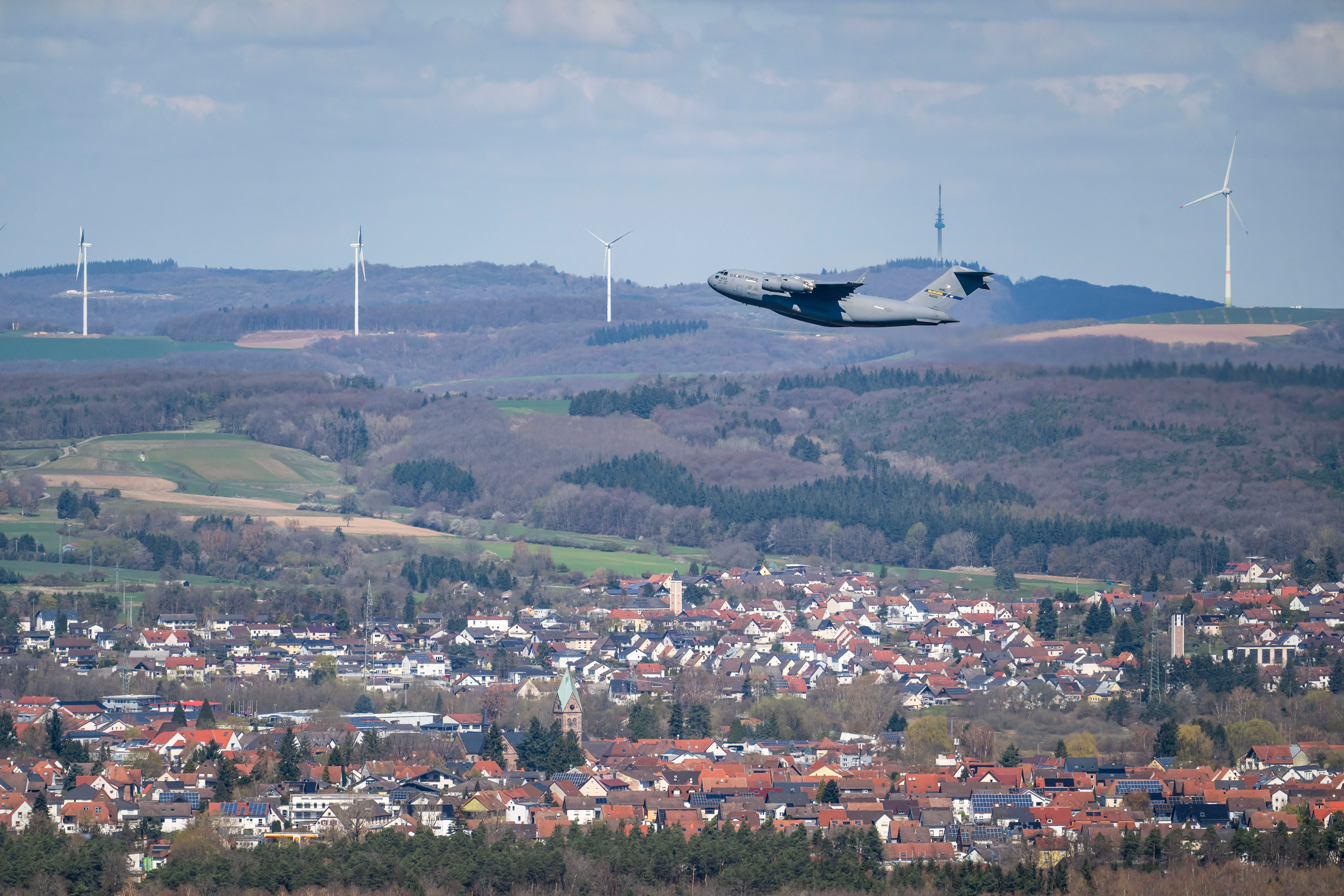
Donald Trump has threatened to cut the number of US troops stationed in Germany, adding military pressure to already strained transatlantic relations amid tensions over the Iran conflict. The threat comes as European allies and Washington remain at odds over strategy and burden-sharing. Germany hosts the largest concentration of American forces in Europe, making it the most exposed to any drawdown. But actually reducing those troops is far harder than issuing a threat. US forces in Germany serve as a logistics hub, intelligence backbone, and rapid-deployment base for operations across Europe, Africa, and the Middle East. Pulling them out would require repositioning assets, renegotiating basing agreements, and navigating congressional oversight, which has previously acted as a brake on similar moves. European NATO members would face immediate pressure to fill capability gaps, accelerating demands for higher defense spending. The practical difficulty of execution means markets and allies will watch whether the threat translates into formal policy orders or remains a bargaining lever.
Qatar's foreign ministry said mediators including Qatar, Pakistan, and Oman have reached "very progressive stages" in efforts to end the US-Iran war, pushing Brent crude down more than four percent.
Qatar confirmed it is mediating between the US and Iran but said no direct talks are currently planned. The clarification follows conflicting statements from President Trump, who claimed talks are under way, and Tehran, which denied any dialogue is happening.
Saudi Aramco reported sharply higher second-quarter 2026 profits as the Iran war restricts global oil supply and pushes crude prices up. Other oil supermajors also posted outsized earnings, raising concerns about sustained fuel cost pressure for importing economies.
President Trump called current Iran negotiations the "last chance" to end five months of conflict, pushing oil prices higher. Tehran denied formal talks are taking place, raising the risk of a diplomatic breakdown with direct consequences for global energy markets.