
Qatar Signals Progress in US-Iran War Talks
Qatar's foreign ministry said mediators including Qatar, Pakistan, and Oman have reached "very progressive stages" in efforts to end the US-Iran war, pushing Brent crude down more than four percent.
Key Takeaways
May 10, 2026 · 2 min read · By Rishabh Bhardwaj
·
AI-assisted, human-reviewed · Our editorial standards
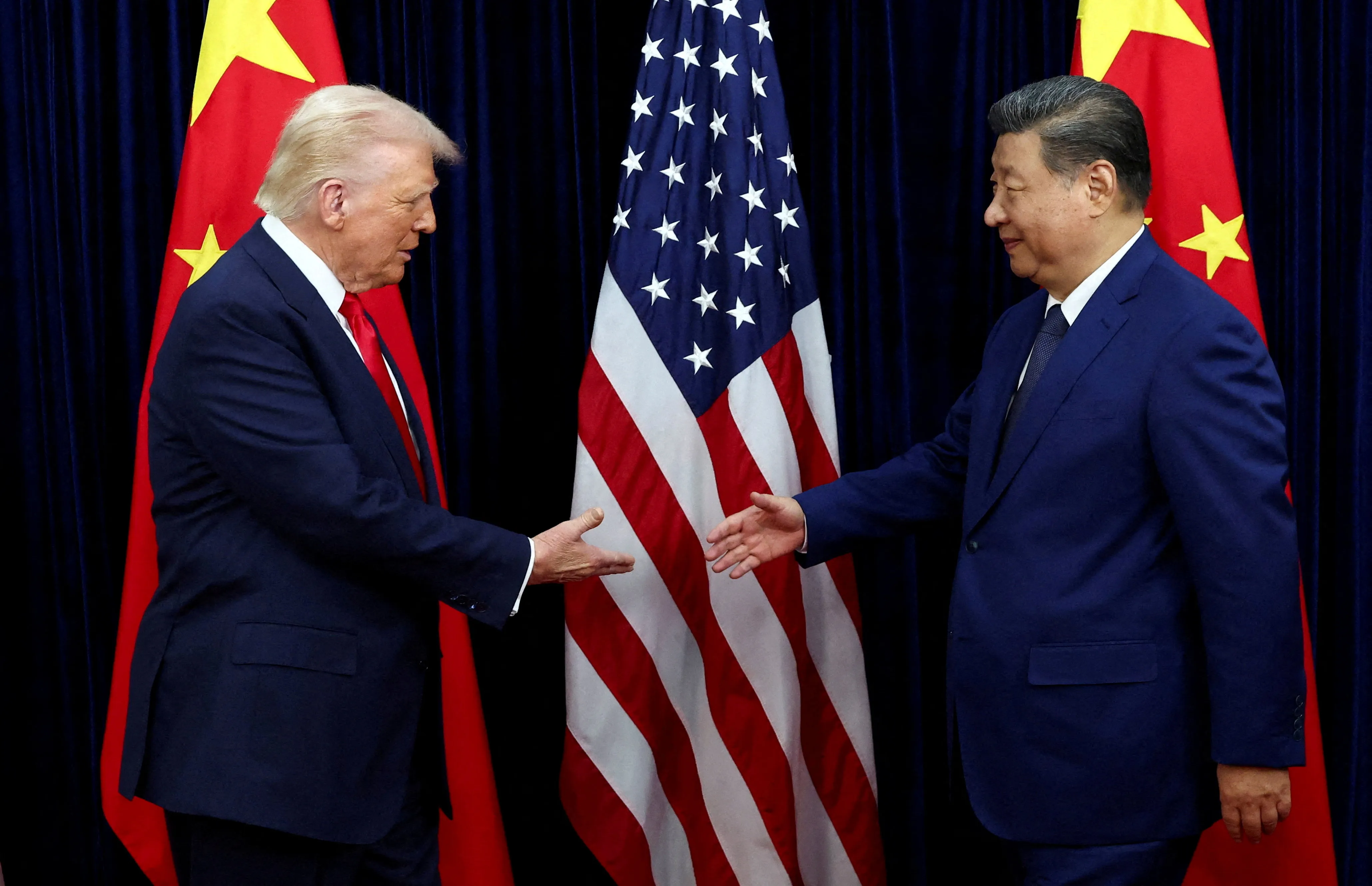
US President Donald Trump is expected to raise Iran directly with Chinese President Xi Jinping during an upcoming visit, according to officials familiar with the plans. The conversation is likely to centre on China's continued purchase of Iranian oil, which American officials view as undermining US pressure on Tehran.
The US has long pushed a "maximum pressure" strategy on Iran, using sanctions to restrict its oil exports and cut off revenue that Washington says funds military and proxy activities across the Middle East. China is Iran's largest oil customer by a wide margin, buying heavily discounted crude that helps Tehran stay financially afloat despite Western sanctions.
Raising Iran during a US-China summit signals that the issue has moved beyond standard diplomatic channels. Trump pressing Xi directly suggests Washington wants a political commitment, not just a technical discussion, on Chinese energy purchases from Iran.
For Beijing, Iranian oil is cheap and helps reduce its dependence on Gulf suppliers. Cutting back would carry a real economic cost, which is why China has historically deflected US pressure on this point. The question is whether the broader framework of US-China trade negotiations, already under strain, gives Trump additional leverage here, or whether Iran becomes a secondary bargaining chip.
Any shift in Chinese buying behaviour would have direct consequences for global oil markets. Iranian crude trades at a steep discount to benchmark prices, and if that supply were constrained, it could tighten global supply and push prices higher. Conversely, if Trump secures only a vague commitment, markets are unlikely to react.
The timing also matters geopolitically. The US is engaged in active diplomacy with Iran over its nuclear programme, and Chinese purchases give Tehran room to negotiate from a position of relative financial stability. A credible reduction in Chinese oil imports would weaken that position.
What to watch: whether any joint statement from the meeting references Iran specifically, and whether the US follows up with new sanctions targeting Chinese entities that buy Iranian crude, a step Washington has taken before but applied inconsistently.
Qatar's foreign ministry said mediators including Qatar, Pakistan, and Oman have reached "very progressive stages" in efforts to end the US-Iran war, pushing Brent crude down more than four percent.
Qatar confirmed it is mediating between the US and Iran but said no direct talks are currently planned. The clarification follows conflicting statements from President Trump, who claimed talks are under way, and Tehran, which denied any dialogue is happening.
Saudi Aramco reported sharply higher second-quarter 2026 profits as the Iran war restricts global oil supply and pushes crude prices up. Other oil supermajors also posted outsized earnings, raising concerns about sustained fuel cost pressure for importing economies.
President Trump called current Iran negotiations the "last chance" to end five months of conflict, pushing oil prices higher. Tehran denied formal talks are taking place, raising the risk of a diplomatic breakdown with direct consequences for global energy markets.