
Qatar Signals Progress in US-Iran War Talks
Qatar's foreign ministry said mediators including Qatar, Pakistan, and Oman have reached "very progressive stages" in efforts to end the US-Iran war, pushing Brent crude down more than four percent.
Key Takeaways
May 10, 2026 · 2 min read · By Rishabh Bhardwaj
·
AI-assisted, human-reviewed · Our editorial standards
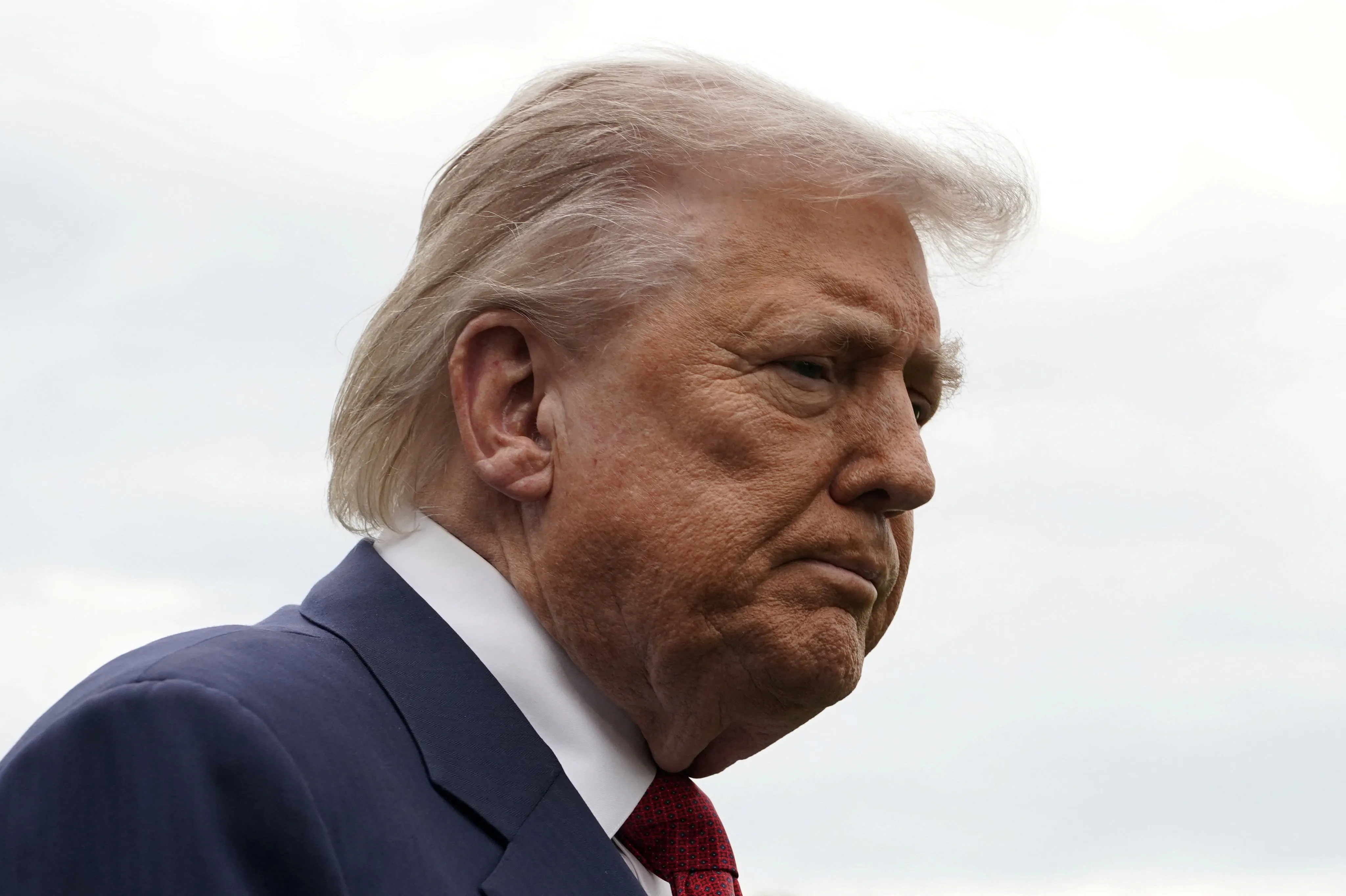
President Donald Trump said the United States will not allow Iran to develop a nuclear weapon, warning that Washington has Iran's nuclear material under surveillance and will destroy anyone who tries to reach it.
Trump's remarks mark a sharp public warning directed at Tehran amid ongoing diplomatic pressure over Iran's uranium enrichment program. The statement is notable for its explicit threat of military action, framing any attempt to access enriched uranium stockpiles as a red line that would trigger a direct US strike.
Trump said the US has Iran's enriched uranium "surveilled" and will "blow up" anyone who gets near it. The language is unusually direct, even by the standards of US-Iran standoffs, and signals that Washington views Iran's current stockpiles as an active threat requiring real-time monitoring rather than just diplomatic leverage.
Iran has accumulated enriched uranium well beyond the limits set by the 2015 nuclear deal, which the US exited under Trump's first term. International inspectors have flagged that Iran now holds uranium enriched to levels close to weapons-grade. The gap between enriched uranium and a functional weapon still requires additional steps, but the margin has narrowed significantly over recent years.
The warning lands as the Trump administration has signaled a dual-track approach: renewed pressure on Tehran while leaving open the possibility of a negotiated deal. Explicit threats of military strikes complicate that track by raising the cost of miscalculation on both sides.
Oil markets tend to react sharply to any escalation in the Gulf region, given Iran's position as a significant crude producer and its proximity to key shipping lanes through the Strait of Hormuz. A military confrontation, even a limited one, could disrupt supply routes that carry roughly 20 percent of global oil trade.
For investors and policy watchers, the key question is whether this is coercive signaling designed to push Iran toward talks, or a genuine statement of military intent. Trump's track record includes both maximum-pressure rhetoric and direct action, as seen with the 2020 strike that killed Iranian General Qasem Soleimani.
Watch for Iran's response through official channels and any movement in uranium enrichment activity picked up by international monitors as the clearest near-term signals of where this heads next.
Qatar's foreign ministry said mediators including Qatar, Pakistan, and Oman have reached "very progressive stages" in efforts to end the US-Iran war, pushing Brent crude down more than four percent.
Qatar confirmed it is mediating between the US and Iran but said no direct talks are currently planned. The clarification follows conflicting statements from President Trump, who claimed talks are under way, and Tehran, which denied any dialogue is happening.
Saudi Aramco reported sharply higher second-quarter 2026 profits as the Iran war restricts global oil supply and pushes crude prices up. Other oil supermajors also posted outsized earnings, raising concerns about sustained fuel cost pressure for importing economies.
President Trump called current Iran negotiations the "last chance" to end five months of conflict, pushing oil prices higher. Tehran denied formal talks are taking place, raising the risk of a diplomatic breakdown with direct consequences for global energy markets.