
Qatar Signals Progress in US-Iran War Talks
Qatar's foreign ministry said mediators including Qatar, Pakistan, and Oman have reached "very progressive stages" in efforts to end the US-Iran war, pushing Brent crude down more than four percent.
Key Takeaways
May 8, 2026 · 2 min read · By Rishabh Bhardwaj
·
AI-assisted, human-reviewed · Our editorial standards
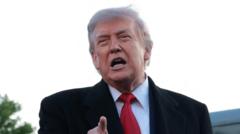
President Donald Trump said the US-Iran ceasefire remains in effect, even as both sides traded accusations following an exchange of fire in the Strait of Hormuz, one of the world's most critical shipping lanes.
Iran claimed the US violated the truce by targeting an oil tanker and striking coastal areas. Washington has not publicly confirmed those specific actions. The conflicting accounts leave the status of the ceasefire genuinely unclear, with each government asserting the other acted first or outside agreed terms.
The Strait of Hormuz is the narrow passage between the Persian Gulf and the Gulf of Oman. Roughly 20% of global oil supply passes through it daily. Any sustained military activity there directly threatens tanker traffic, raises shipping insurance costs, and can push crude oil prices higher within hours.
An oil tanker being targeted, whoever is responsible, signals that commercial vessels are now caught in the middle of an active military standoff. Shipping companies and oil traders watch incidents like this closely because even a short disruption to Hormuz traffic can ripple through energy markets globally.
The back-and-forth allegations suggest the ceasefire, if it exists formally, lacks a clear enforcement or verification mechanism. When both parties claim the other violated the truce, there is no agreed arbiter to resolve the dispute. That ambiguity itself is destabilizing, it gives each side political cover to escalate while publicly claiming restraint.
Trump's insistence that the ceasefire holds is notable. It suggests Washington is, at least officially, not looking to expand the conflict. But Iran's public accusation of US attacks on coastal areas raises the pressure domestically on Iranian leadership to respond, which could push the situation further regardless of what either government says publicly.
The key things to watch: whether additional tankers are targeted, whether Iran takes any retaliatory action it publicly acknowledges, and whether any third party, such as Gulf states or European governments, attempts to verify or mediate the ceasefire terms.
Qatar's foreign ministry said mediators including Qatar, Pakistan, and Oman have reached "very progressive stages" in efforts to end the US-Iran war, pushing Brent crude down more than four percent.
Qatar confirmed it is mediating between the US and Iran but said no direct talks are currently planned. The clarification follows conflicting statements from President Trump, who claimed talks are under way, and Tehran, which denied any dialogue is happening.
Saudi Aramco reported sharply higher second-quarter 2026 profits as the Iran war restricts global oil supply and pushes crude prices up. Other oil supermajors also posted outsized earnings, raising concerns about sustained fuel cost pressure for importing economies.
President Trump called current Iran negotiations the "last chance" to end five months of conflict, pushing oil prices higher. Tehran denied formal talks are taking place, raising the risk of a diplomatic breakdown with direct consequences for global energy markets.