
Qatar Signals Progress in US-Iran War Talks
Qatar's foreign ministry said mediators including Qatar, Pakistan, and Oman have reached "very progressive stages" in efforts to end the US-Iran war, pushing Brent crude down more than four percent.
Key Takeaways
May 23, 2026 · 3 min read · By Rishabh Bhardwaj
·
AI-assisted, human-reviewed · Our editorial standards
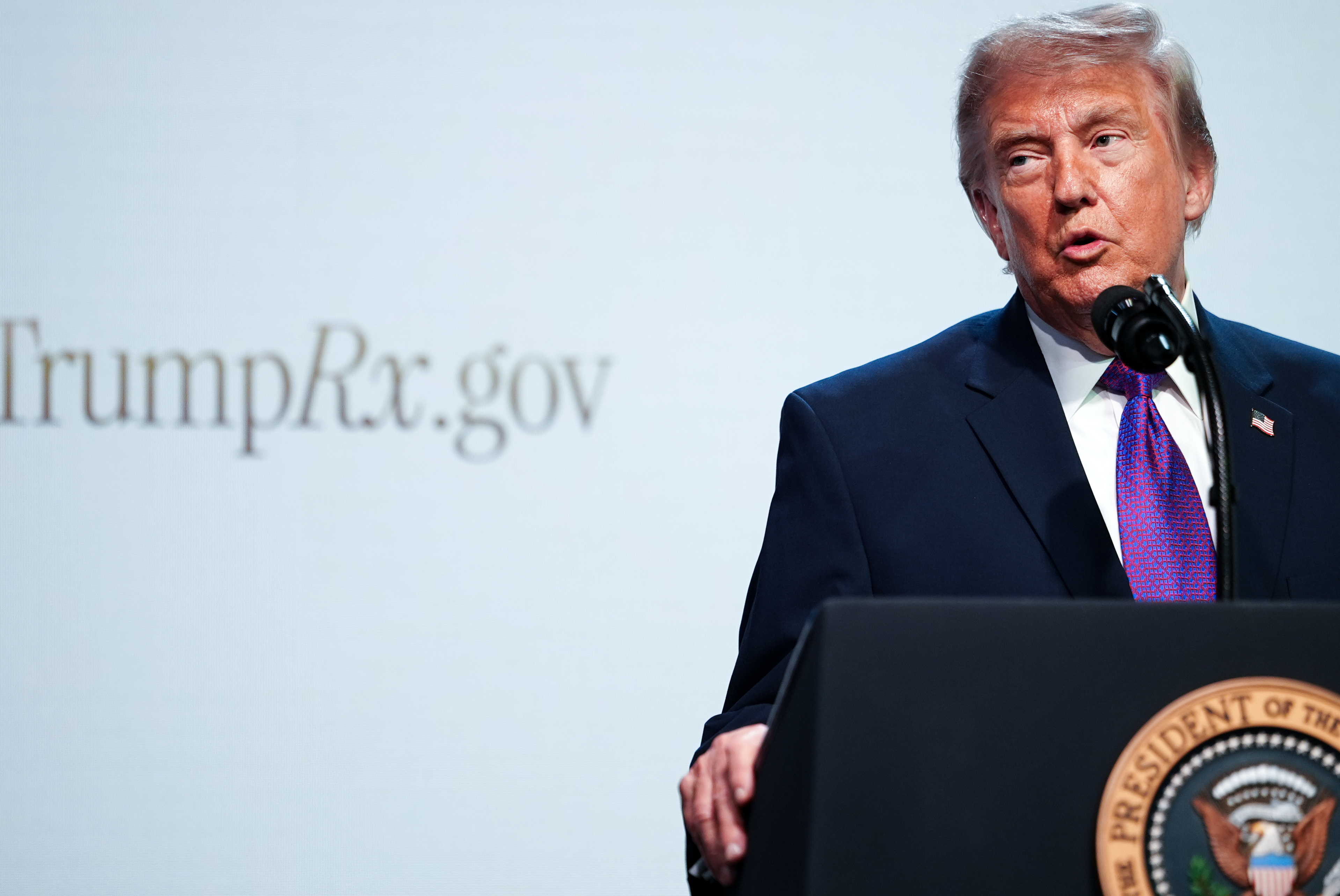
US President Donald Trump said a nuclear agreement with Iran is largely negotiated and waiting to be finalized, adding that the deal would include reopening the Strait of Hormuz to normal shipping traffic.
Trump made the announcement after a call with Middle East leaders, though the specific parties on that call were not named. The statement marks one of the clearest signals yet from the White House that diplomacy with Tehran has moved past early-stage talks into something closer to a concluded framework.
The Strait of Hormuz is the narrow waterway between Iran and Oman through which roughly 20 percent of the world's traded oil passes. Any disruption to that corridor, whether through Iranian military action or sanctions-related shipping restrictions, sends immediate pressure through global energy markets. A deal that explicitly guarantees its reopening would be a significant stabilizing signal for oil prices and regional trade flows.
Trump did not detail the specific terms beyond the Hormuz provision. It is unclear from available information whether the agreement addresses Iran's uranium enrichment program directly, what sanctions relief may be offered, or what verification mechanism would be in place. Those gaps matter because past negotiations over Iran's nuclear program have stalled precisely on those three points.
What is notable is the language Trump used: "largely negotiated" suggests the core structure is agreed but final sign-off has not happened. That framing leaves open whether the remaining steps are procedural or whether meaningful sticking points remain.
Iran's posture toward the Strait of Hormuz has been a recurring pressure point in US-Iran tensions. Tehran has previously threatened to close or disrupt the waterway during periods of heightened conflict, most recently during escalations tied to sanctions pressure and military incidents in the Gulf. A formal agreement that takes that threat off the table would shift the risk calculus for energy markets, shipping insurers, and Gulf state governments.
Oil traders price in a persistent Iran risk premium, partly because the Hormuz threat has never been fully resolved through a binding agreement. If a deal is confirmed and credible, that premium could compress, putting modest downward pressure on crude prices. The effect would depend heavily on whether Iranian oil also returns to global markets as part of any sanctions rollback, which would add supply alongside reduced risk.
For Gulf states, a verified US-Iran deal changes the regional security equation. Saudi Arabia, the UAE, and others have spent years building military and diplomatic hedges against Iranian assertiveness. A framework endorsed by Washington and accepted by Tehran would not eliminate that rivalry, but it would reduce the probability of a near-term military escalation that has periodically rattled regional investment sentiment.
India imports a significant share of its energy through the Strait of Hormuz and has historically maintained trade and diplomatic ties with both the US and Iran. A stable Hormuz corridor directly benefits Indian energy security and reduces the freight and insurance costs that spike during Gulf tensions.
The key things to watch now are whether Iran's government publicly confirms the framework Trump described, what the verification and sanctions terms look like when disclosed, and whether the US Congress reacts in ways that could complicate ratification or implementation. Deals framed as executive agreements rather than treaties face a different political path in Washington, and that distinction could affect how durable any arrangement turns out to be.
Qatar's foreign ministry said mediators including Qatar, Pakistan, and Oman have reached "very progressive stages" in efforts to end the US-Iran war, pushing Brent crude down more than four percent.
Qatar confirmed it is mediating between the US and Iran but said no direct talks are currently planned. The clarification follows conflicting statements from President Trump, who claimed talks are under way, and Tehran, which denied any dialogue is happening.
Saudi Aramco reported sharply higher second-quarter 2026 profits as the Iran war restricts global oil supply and pushes crude prices up. Other oil supermajors also posted outsized earnings, raising concerns about sustained fuel cost pressure for importing economies.
President Trump called current Iran negotiations the "last chance" to end five months of conflict, pushing oil prices higher. Tehran denied formal talks are taking place, raising the risk of a diplomatic breakdown with direct consequences for global energy markets.