
Qatar Signals Progress in US-Iran War Talks
Qatar's foreign ministry said mediators including Qatar, Pakistan, and Oman have reached "very progressive stages" in efforts to end the US-Iran war, pushing Brent crude down more than four percent.
Key Takeaways
May 11, 2026 · 2 min read · By Rishabh Bhardwaj
·
AI-assisted, human-reviewed · Our editorial standards
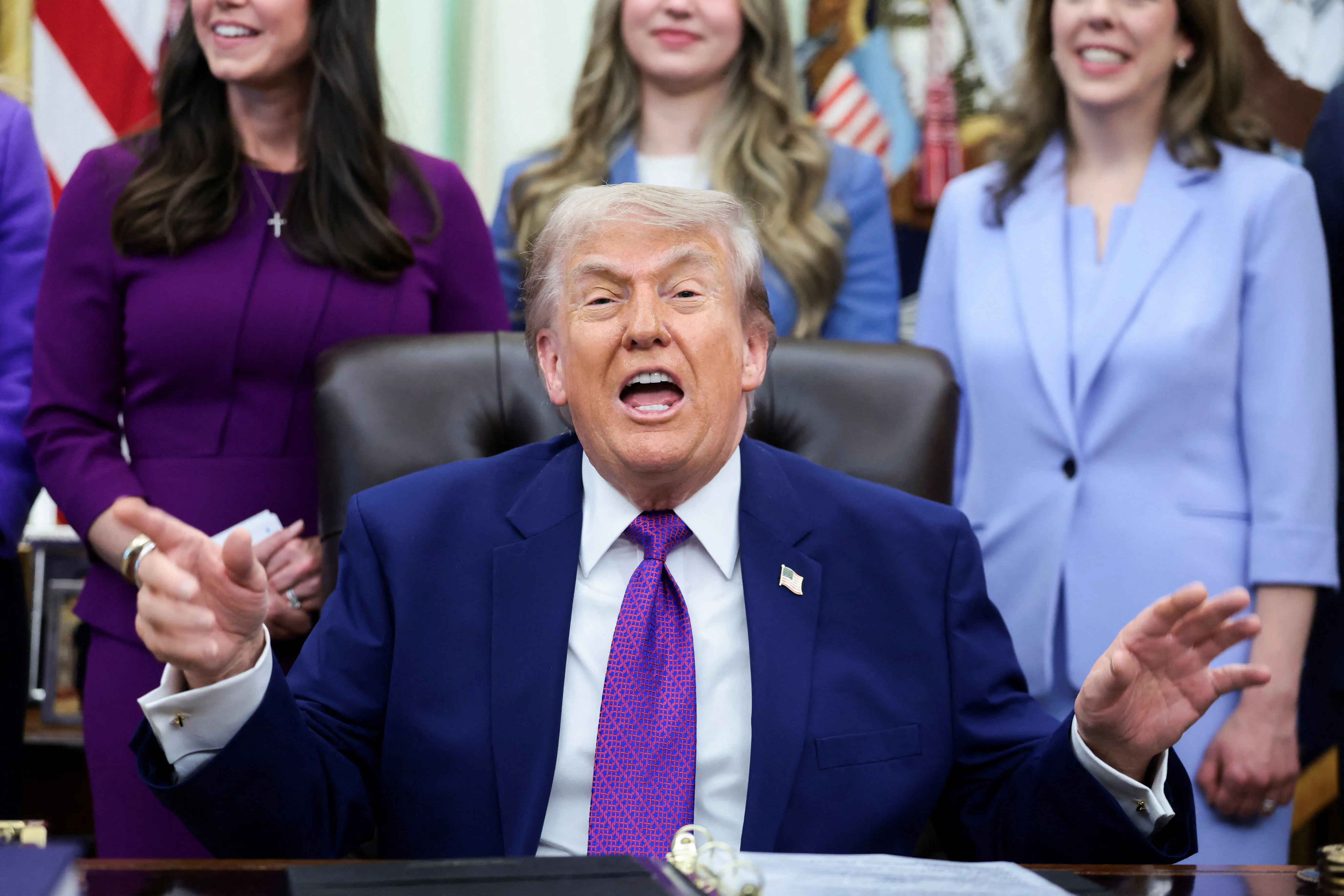
President Donald Trump said Wednesday that ceasefire talks between the United States and Iran are on "life support," sharply criticizing Tehran's response to a U.S. proposal and raising fresh fears of a return to open conflict.
The blunt assessment marks a significant downturn in diplomatic tone after what had appeared to be cautious progress in back-channel negotiations. Trump's public characterization signals that Washington sees the current state of talks as close to collapse, though formal channels have not yet been declared shut.
When a U.S. president describes ongoing diplomacy as being on "life support," it typically signals one of two things: a tactical pressure move to force concessions, or a genuine warning that negotiations are close to ending. Either way, markets and regional governments read such statements as a material increase in conflict risk.
Iran and the U.S. have been engaged in indirect talks aimed at preventing further military escalation. The two sides have not reached a formal agreement, and Trump's comments suggest Washington believes Tehran's latest response fell well short of what the U.S. considers an acceptable basis for a deal.
A breakdown in U.S.-Iran diplomacy carries direct consequences for global energy markets. Iran is a significant oil producer, and any return to active military confrontation in the Gulf region historically triggers sharp moves in crude prices. Shipping lanes through the Strait of Hormuz, through which roughly a fifth of global oil supply passes, become a flashpoint whenever tensions escalate.
For India, the stakes are especially concrete. India is one of the largest buyers of oil in the world and has historically sourced meaningful volumes from Iran. Renewed conflict in the Gulf would likely push crude prices higher, widening India's import bill and adding pressure to the rupee and the current account deficit.
Beyond energy, a fresh round of U.S.-Iran hostility could reshape diplomatic alignments across the Middle East, affect the pace of any regional normalization deals, and complicate global supply chains linked to the broader Gulf economy.
The next signal to watch is whether either side makes a public concession or whether Trump follows the statement with concrete policy action, such as tightening sanctions or shifting U.S. military posture in the region. Silence from Tehran in the hours after a statement like this often matters as much as the words themselves.
Qatar's foreign ministry said mediators including Qatar, Pakistan, and Oman have reached "very progressive stages" in efforts to end the US-Iran war, pushing Brent crude down more than four percent.
Qatar confirmed it is mediating between the US and Iran but said no direct talks are currently planned. The clarification follows conflicting statements from President Trump, who claimed talks are under way, and Tehran, which denied any dialogue is happening.
Saudi Aramco reported sharply higher second-quarter 2026 profits as the Iran war restricts global oil supply and pushes crude prices up. Other oil supermajors also posted outsized earnings, raising concerns about sustained fuel cost pressure for importing economies.
President Trump called current Iran negotiations the "last chance" to end five months of conflict, pushing oil prices higher. Tehran denied formal talks are taking place, raising the risk of a diplomatic breakdown with direct consequences for global energy markets.