
Qatar Signals Progress in US-Iran War Talks
Qatar's foreign ministry said mediators including Qatar, Pakistan, and Oman have reached "very progressive stages" in efforts to end the US-Iran war, pushing Brent crude down more than four percent.
Key Takeaways
May 12, 2026 · 3 min read · By Rishabh Bhardwaj
·
AI-assisted, human-reviewed · Our editorial standards
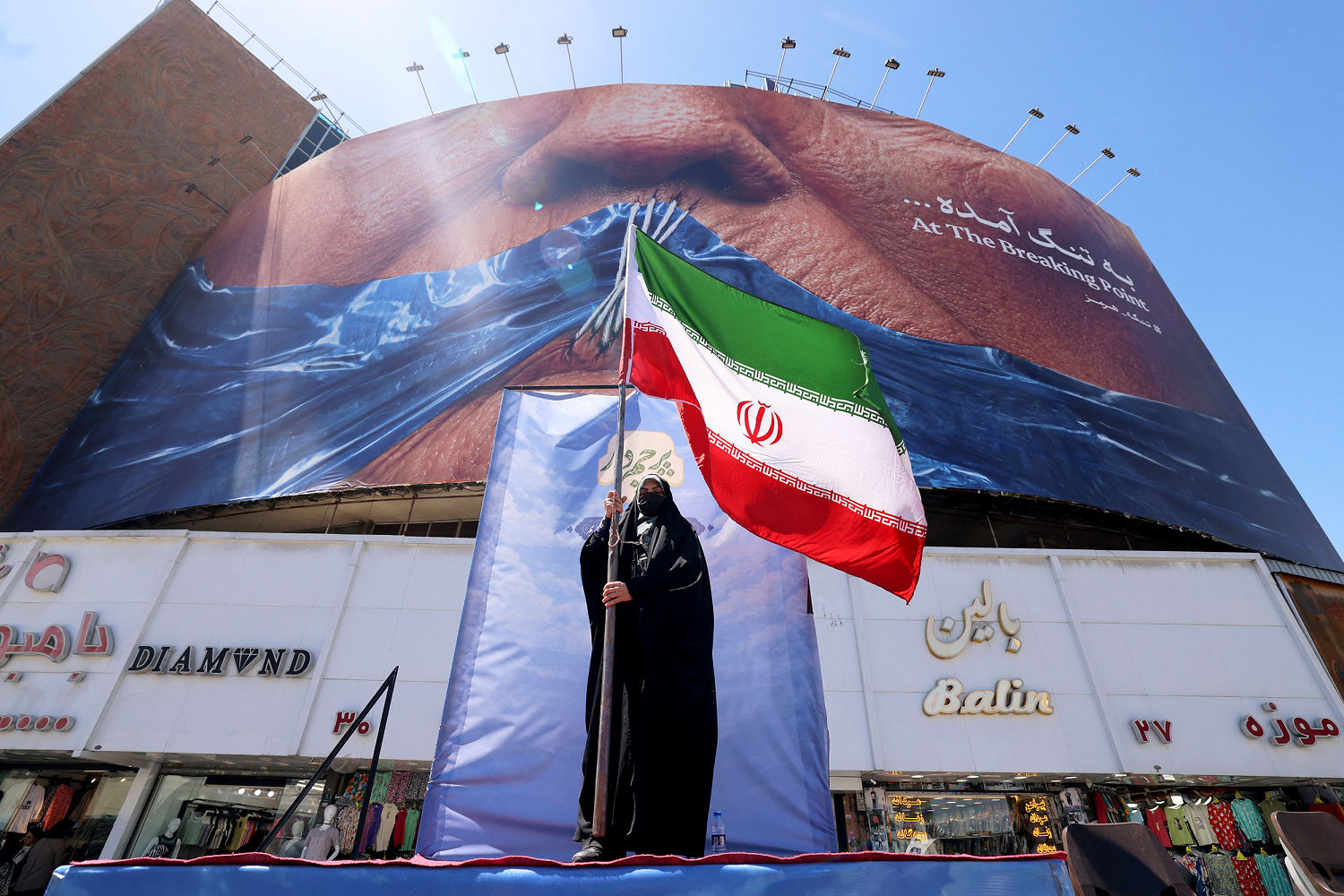
President Donald Trump declared the ceasefire with Iran is "on life support" following a fresh exchange of fire between the two sides over the weekend. Trump described Iran's latest peace proposal as "garbage" and "unbelievably weak," signaling that negotiations are close to collapse.
The breakdown follows what appears to be a brief and fragile attempt at de-escalation. Both sides exchanged fire this weekend, and rather than pulling back toward dialogue, Trump publicly rejected Iran's terms in unusually sharp language, calling the proposal "unacceptable."
Trump's phrasing matters here. "On life support" is not a diplomatic hedge. It signals that the White House sees the current arrangement as nearly finished, and that responsibility for what comes next will be placed on Iran. By labeling the Iranian proposal "garbage" in public, the administration is closing off quiet negotiation and raising the political cost of any retreat.
A full collapse of ceasefire talks between the United States and Iran carries serious consequences for global energy markets, regional security, and U.S. foreign policy. Iran sits on some of the world's largest oil and gas reserves, and any escalation in the Persian Gulf corridor can move crude prices quickly. Shipping routes through the Strait of Hormuz, through which roughly one-fifth of global oil supply passes, become a direct risk in any renewed military confrontation.
For regional allies and adversaries alike, the tone from Washington signals that military options remain very much on the table. Countries that had adjusted their posture toward Iran based on an assumption of ongoing diplomacy now face a more volatile baseline. Israel, Gulf states, and U.S. military assets in the region all operate under a different risk calculation when ceasefire talks are described as near-dead by the U.S. president.
The bluntness of Trump's public statements also limits diplomatic room to maneuver. When a sitting president publicly calls an adversary's peace offer "garbage," the political barrier to resuming talks quietly becomes much higher. Iran's leadership faces its own domestic pressure and cannot easily return to the table after such a public rebuff without appearing weak at home.
The immediate question is whether any back-channel communication between Washington and Tehran survives Trump's public comments. A ceasefire described as "on life support" still implies it has not formally ended, which leaves a narrow window for a revised proposal or an intermediary to re-enter the picture. Countries like Qatar and Oman have historically played that role between the U.S. and Iran.
Markets will watch for any further military activity in or around the Persian Gulf, particularly any action near shipping lanes. Energy traders are likely already pricing in a higher risk premium on near-term oil contracts. Defense sector stocks tied to Middle East deployments may also see renewed attention.
On the policy side, the key signal to watch is whether the administration formally withdraws from ceasefire commitments or simply lets them lapse. The distinction matters: a formal withdrawal is a harder line to walk back, while a lapse leaves more room for renewed contact under a different framing. Trump's language so far suggests a preference for maximum public pressure, but the situation remains fluid.
Qatar's foreign ministry said mediators including Qatar, Pakistan, and Oman have reached "very progressive stages" in efforts to end the US-Iran war, pushing Brent crude down more than four percent.
Qatar confirmed it is mediating between the US and Iran but said no direct talks are currently planned. The clarification follows conflicting statements from President Trump, who claimed talks are under way, and Tehran, which denied any dialogue is happening.
Saudi Aramco reported sharply higher second-quarter 2026 profits as the Iran war restricts global oil supply and pushes crude prices up. Other oil supermajors also posted outsized earnings, raising concerns about sustained fuel cost pressure for importing economies.
President Trump called current Iran negotiations the "last chance" to end five months of conflict, pushing oil prices higher. Tehran denied formal talks are taking place, raising the risk of a diplomatic breakdown with direct consequences for global energy markets.