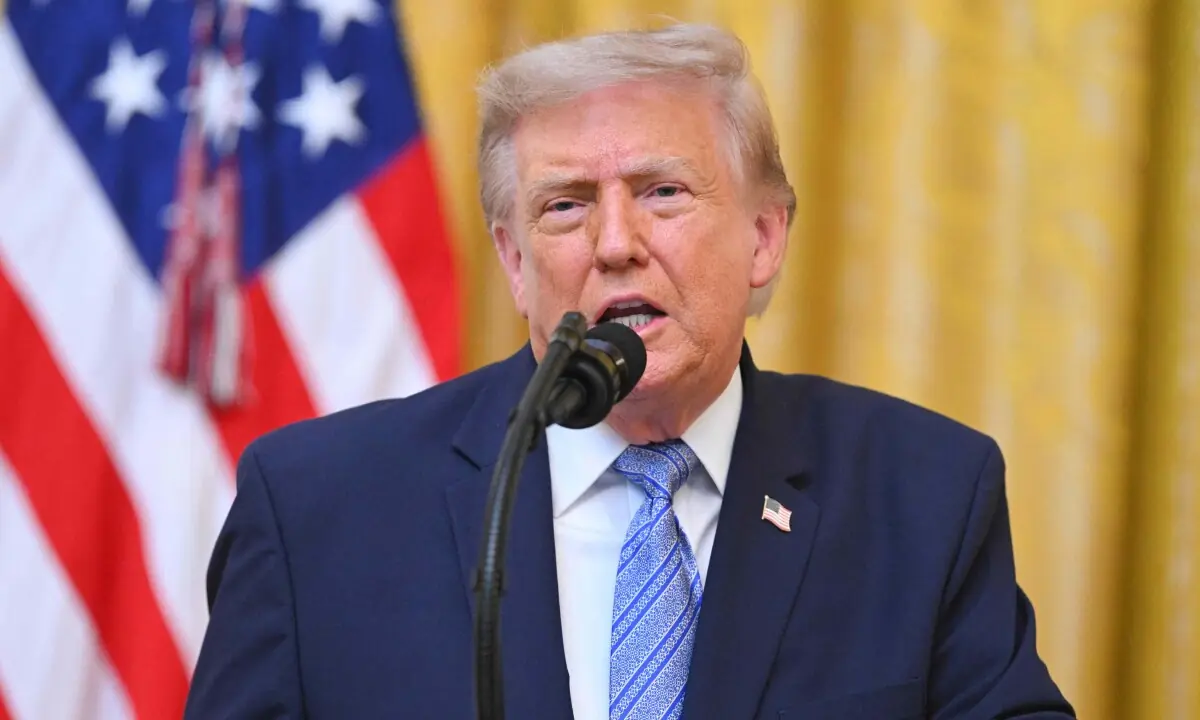
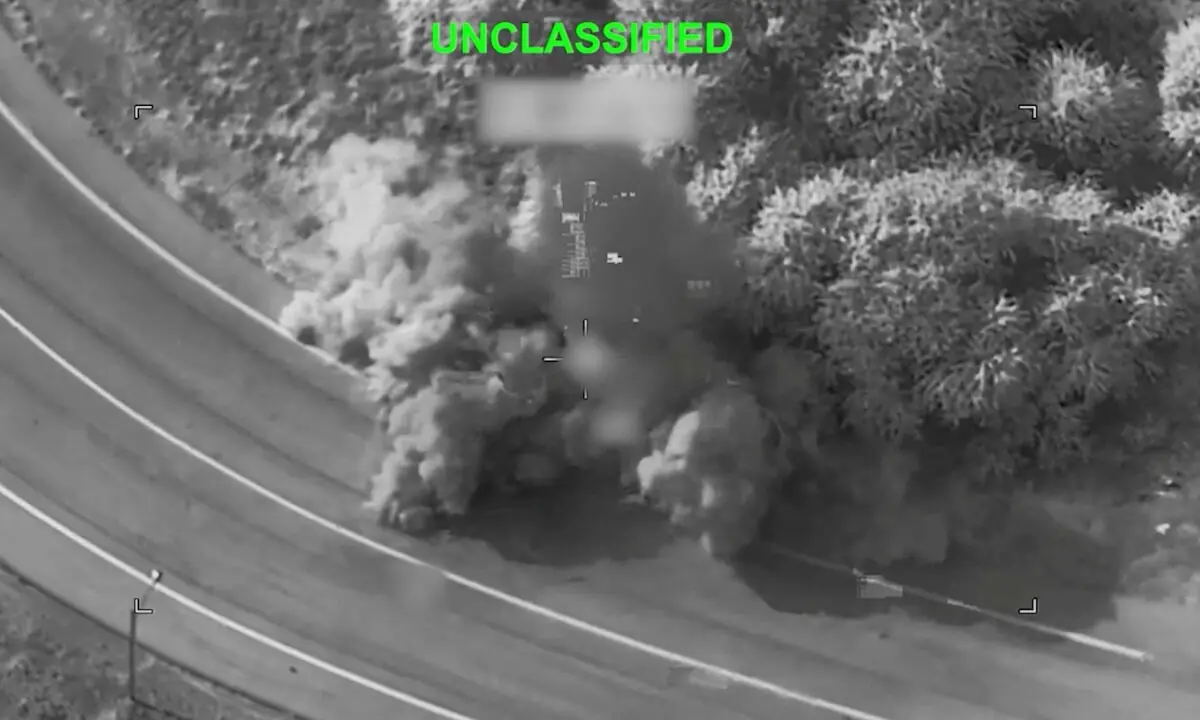
President Donald Trump used a primetime White House address on Thursday to revive unsupported claims of widespread voter fraud and Chinese election interference, framing the speech as a warning ahead of November's midterm elections. Election law experts and political opponents quickly dismissed the address as a repackaging of old, debunked material.
The centerpiece of Trump's claims was a declassified intelligence assertion that China's government had acquired 220 million US voter files over several years, beginning during the 2020 election cycle, in what he called "the largest compromise of election data in history." He also claimed more than 250,000 non-citizens are registered to vote across four states. Neither claim was accompanied by verifiable supporting evidence in the address itself.
Trump used the speech to push Congress to pass the SAVE America Act, a bill that would require proof of citizenship to register to vote, mandate photo identification at polling places, and restrict mail-in ballots. The problem for Trump is that proof of citizenship is already required under existing federal and state election law, and the bill faces limited support even within his own Republican Party. That political reality makes passage before the midterms unlikely.
Why Analysts Are Not Convinced
Rick Hasen, an election law expert at UCLA, called it "the same old unsupported, and surprisingly weak, claims of American election vulnerabilities" and described the speech as "tired" and full of "recycled and debunked claims." Hasen said he did not believe the address would change how American elections are run in practice.
That assessment carries weight. Trump's claims that the 2020 election was stolen have been tested extensively in court. More than 60 lawsuits produced no ruling establishing fraud capable of altering the outcome. Recounts, audits, and his own Justice Department found no evidence of fraud at a scale that would have changed the result.
Trump also attacked television networks ABC and NBC for declining to interrupt programming to carry his speech live, baselessly suggesting they were "part of a plot" in election-rigging and threatening that "fraud like this should mean a revocation of their licenses." Threatening broadcast licenses over editorial decisions is a significant escalation against independent media.
The Midterm Political Stakes
The timing of the speech matters. Republicans face a difficult midterm environment, with Trump's approval ratings creating anxiety inside the party about losing control of Congress. Democrats, in turn, are framing the speech as a deliberate effort to pre-seed doubt about election results before any votes are cast. Senate Democrat Dick Durbin called it "a dangerous attempt to resurrect disproven lies to undermine future elections before a single vote is cast."
Former Trump White House lawyer Ty Cobb offered a more pointed read of Trump's intent. Speaking to PBS, Cobb said the speech appeared designed to build a legal and political foundation for declaring an election emergency around the time of the midterms. Cobb added that he considered the deployment of immigration officers at polling places a "virtual certainty," a step that would significantly raise the temperature around voting access.
Trump devoted little time to the Iran war or the economy, the issues polls suggest voters are most focused on heading into the election. His last major televised national address came on April 1, when he gave his first full public justification of the US-Israeli military campaign in Iran, more than a month after it began.
The political risk for Trump is real. If Democrats win the House in November, he could face a third impeachment proceeding. He was impeached twice during his first term, including for alleged incitement of the January 6, 2021 Capitol attack, which followed a rally in Washington he called after refusing to accept his 2020 defeat to Joe Biden.
What to watch: whether Republican lawmakers warm to the SAVE America Act under pressure, whether the declassified China intelligence is released in full for independent review, and whether the administration takes any concrete steps around election administration before November.