
Qatar Signals Progress in US-Iran War Talks
Qatar's foreign ministry said mediators including Qatar, Pakistan, and Oman have reached "very progressive stages" in efforts to end the US-Iran war, pushing Brent crude down more than four percent.
Key Takeaways
May 3, 2026 · 2 min read · By Rishabh Bhardwaj
·
AI-assisted, human-reviewed · Our editorial standards
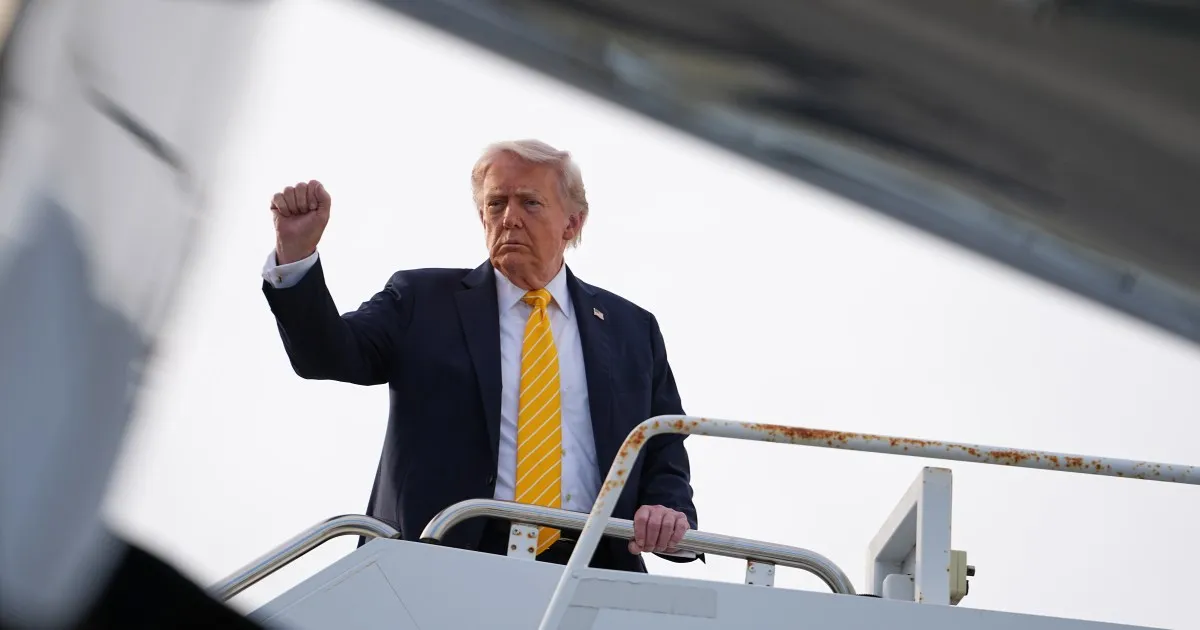
US President Donald Trump said he is reviewing a 14-point peace proposal from Iran, while warning that American military strikes could resume if Tehran "misbehaves." The statement signals that diplomatic contact between Washington and Tehran is active, but that military pressure remains on the table.
Trump did not say who drafted the proposal or how it was delivered, but his public acknowledgment of a 14-point Iranian plan marks a notable step. It suggests Iran has put forward a structured offer, likely covering nuclear activity, regional proxies, or sanctions relief, rather than vague gestures toward talks.
The US carried out strikes on Iranian-linked targets in recent weeks, raising the stakes for any negotiated outcome. Trump's framing, that strikes "could resume" if Iran misbehaves, keeps military leverage intact while leaving the door open for a deal. This is a classic pressure-and-talk posture: negotiate, but don't concede the threat.
Iran presenting a formal multi-point plan suggests Tehran wants a pathway out of the current military and sanctions pressure. A 14-point structure implies Iran is trying to address multiple US concerns in a single package, which could speed up talks or create more points of disagreement depending on what each side accepts.
The critical next step is whether the US responds with a counter-proposal or a flat rejection of specific points. Any progress would likely require Iran to make concessions on uranium enrichment, the core US and Israeli concern, while the US would face pressure to offer sanctions relief in return.
Oil markets and regional defense stocks are sensitive to Iran-US tension. A credible move toward a deal could ease oil supply-risk premiums, while a breakdown would likely push energy prices higher. Investors and analysts will watch Trump's next public statements closely for signals on whether Washington sees the proposal as a serious opening or a stalling tactic.
No timeline for a US response has been made public, and no third-party mediator has been named in connection with this exchange.
Qatar's foreign ministry said mediators including Qatar, Pakistan, and Oman have reached "very progressive stages" in efforts to end the US-Iran war, pushing Brent crude down more than four percent.
Qatar confirmed it is mediating between the US and Iran but said no direct talks are currently planned. The clarification follows conflicting statements from President Trump, who claimed talks are under way, and Tehran, which denied any dialogue is happening.
Saudi Aramco reported sharply higher second-quarter 2026 profits as the Iran war restricts global oil supply and pushes crude prices up. Other oil supermajors also posted outsized earnings, raising concerns about sustained fuel cost pressure for importing economies.
President Trump called current Iran negotiations the "last chance" to end five months of conflict, pushing oil prices higher. Tehran denied formal talks are taking place, raising the risk of a diplomatic breakdown with direct consequences for global energy markets.