
Qatar Signals Progress in US-Iran War Talks
Qatar's foreign ministry said mediators including Qatar, Pakistan, and Oman have reached "very progressive stages" in efforts to end the US-Iran war, pushing Brent crude down more than four percent.
Key Takeaways
May 2, 2026 · 2 min read · By Rishabh Bhardwaj
·
AI-assisted, human-reviewed · Our editorial standards
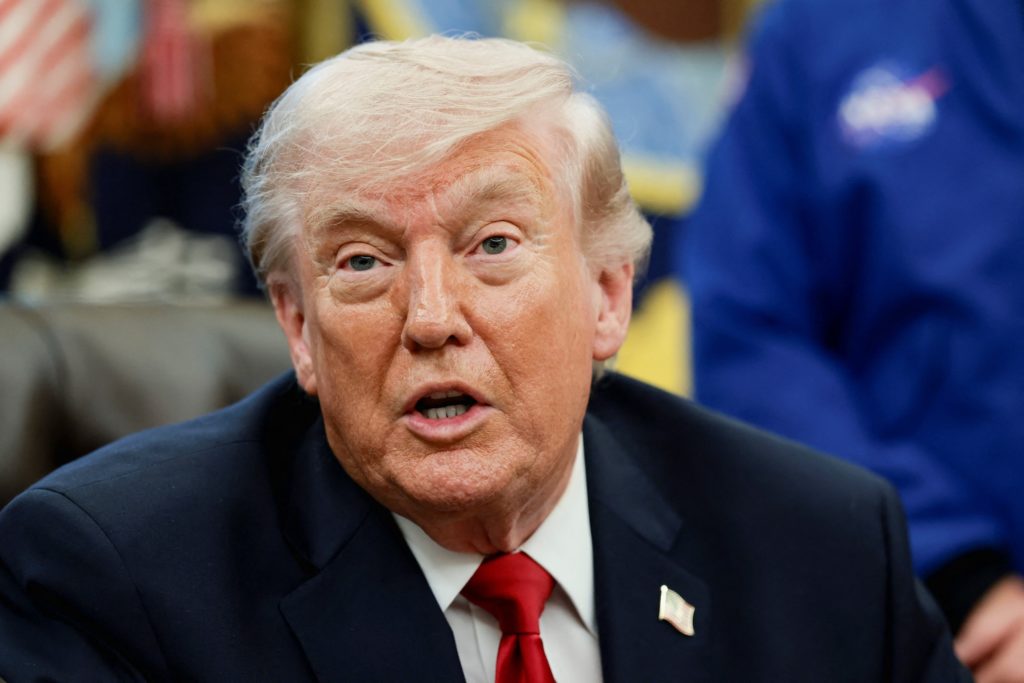
The U.S.-Iran conflict has crossed a legally significant 60-day mark, triggering a War Powers Act deadline that requires the Trump administration to seek congressional authorization to continue military operations. The White House sidestepped that requirement by informing Congress the war had been "terminated" during the current ceasefire, a framing that lets the administration avoid a formal congressional vote while keeping military options open.
At the same time, President Trump has rejected Iran's latest diplomatic proposal and is reviewing new military options, signaling the ceasefire may be fragile rather than a path to a lasting settlement. The combination, rejecting talks while claiming the war is over for legal purposes, puts the administration in a legally convenient but strategically ambiguous position.
The War Powers Resolution requires the president to get congressional approval within 60 days of committing U.S. forces to hostilities. Successive administrations have found ways around it, and the Trump White House is using the ceasefire as its exit ramp. By declaring the conflict "terminated," it resets the legal clock without ending the underlying standoff with Tehran.
Critics of this interpretation would argue a ceasefire is a pause, not a termination, and that reviewing new military options while claiming the war is over strains the legal argument. However, the administration's notification to Congress appears designed to close off any immediate legislative challenge.
The rejection of Iran's latest proposal and the active review of military options suggest the situation could escalate again quickly. The ceasefire provides a window, but Trump's posture indicates he has not ruled out relaunching strikes. Iran's willingness to keep negotiating, and the specific terms it has offered, remain unclear from current reporting.
For markets, a return to active hostilities in this corridor would carry immediate risk for oil prices and regional shipping. The 60-day legal threshold passing without congressional pushback also sets a precedent for how far executive war-making authority can stretch without a formal vote.
Watch for whether Congress challenges the "terminated" designation, what military options are under review, and whether Iran submits a revised proposal or shifts to a harder line in response to the rejection.
Qatar's foreign ministry said mediators including Qatar, Pakistan, and Oman have reached "very progressive stages" in efforts to end the US-Iran war, pushing Brent crude down more than four percent.
Qatar confirmed it is mediating between the US and Iran but said no direct talks are currently planned. The clarification follows conflicting statements from President Trump, who claimed talks are under way, and Tehran, which denied any dialogue is happening.
Saudi Aramco reported sharply higher second-quarter 2026 profits as the Iran war restricts global oil supply and pushes crude prices up. Other oil supermajors also posted outsized earnings, raising concerns about sustained fuel cost pressure for importing economies.
President Trump called current Iran negotiations the "last chance" to end five months of conflict, pushing oil prices higher. Tehran denied formal talks are taking place, raising the risk of a diplomatic breakdown with direct consequences for global energy markets.