
Qatar Signals Progress in US-Iran War Talks
Qatar's foreign ministry said mediators including Qatar, Pakistan, and Oman have reached "very progressive stages" in efforts to end the US-Iran war, pushing Brent crude down more than four percent.
Key Takeaways
May 12, 2026 · 3 min read · By Rishabh Bhardwaj
·
AI-assisted, human-reviewed · Our editorial standards
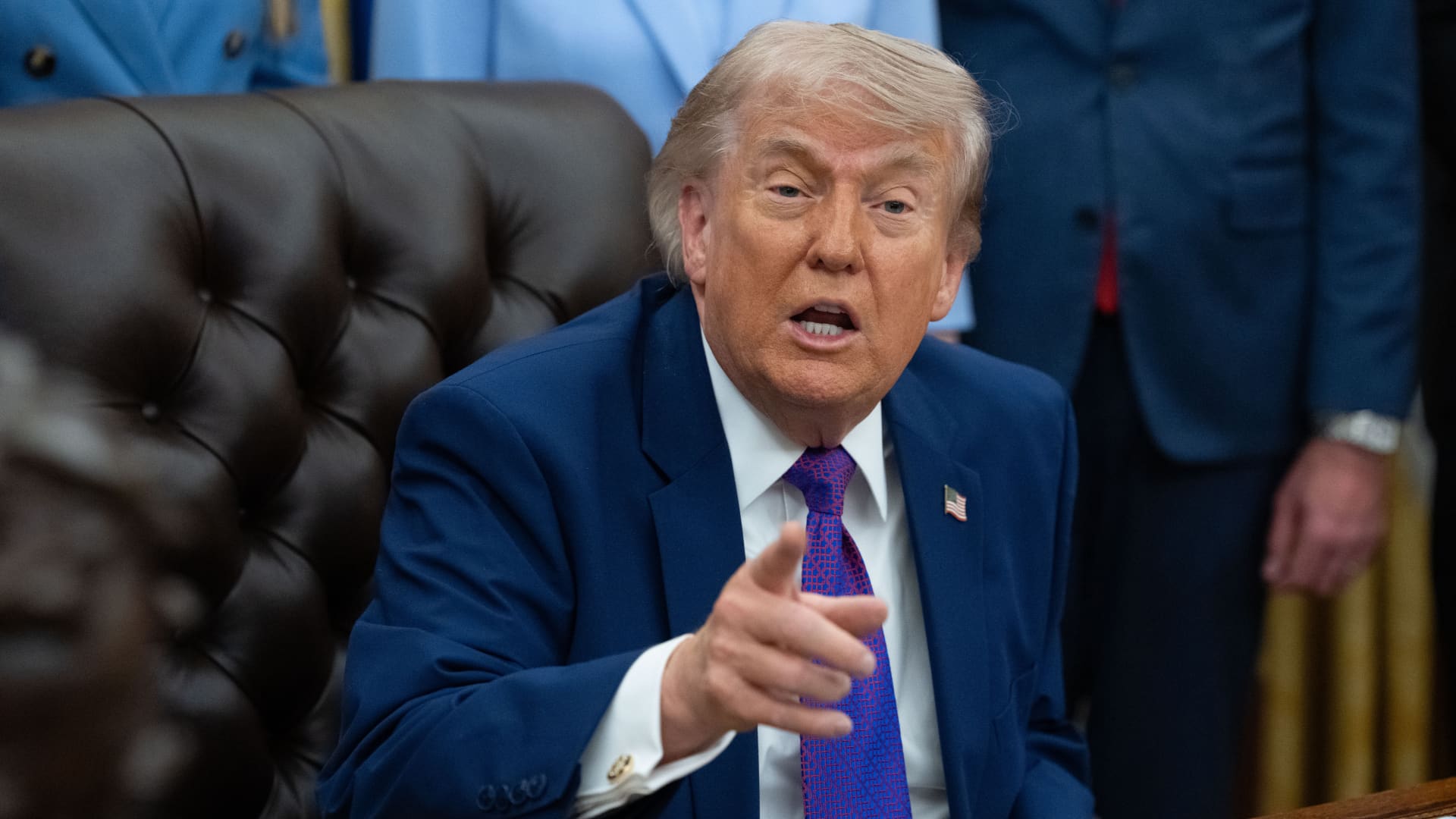
President Donald Trump said Monday that U.S. arms sales to Taiwan and the jailing of Hong Kong media tycoon Jimmy Lai would be on the table when he meets Chinese President Xi Jinping in Beijing.
The public flagging of both issues is notable. Taiwan arms sales and Hong Kong political prisoners are two of the most sensitive friction points in the U.S.-China relationship, and Trump signaling them ahead of the summit suggests the agenda will extend well beyond the trade and tariff negotiations that have dominated recent talks.
Jimmy Lai, the founder of the now-shuttered pro-democracy newspaper Apple Daily, has been held in Hong Kong since 2020 and faces national security charges that carry a potential life sentence. His case has become a symbol for Western governments of Beijing's rollback of civil liberties under the national security law imposed on Hong Kong in 2020. Lai holds British citizenship, and the UK government has repeatedly pressed for his release.
Taiwan arms sales sit at the center of a longer-running tension. Beijing regards the island as Chinese territory and consistently objects to U.S. weapons transfers to Taipei. Washington has continued those sales under both Republican and Democratic administrations, citing its obligations under the Taiwan Relations Act. Any signal that arms sales could be used as a bargaining chip in broader negotiations would alarm Taipei and shift how allies in the Indo-Pacific read U.S. commitment to the region.
Bringing these two issues into a summit framing changes the negotiating geometry. Trade talks already involve enormous economic stakes, including tariffs that have rattled supply chains and financial markets on both sides. Adding Taiwan security and Hong Kong human rights means the summit could produce outcomes, or concessions, across a much wider range of policy territory than markets have priced in.
For investors and businesses, the concern is linkage. If Washington and Beijing begin treating arms sales, market access, tariffs, and political prisoners as a connected package rather than separate tracks, outcomes become harder to predict and the risk of surprise rises. A deal that trades movement on one front for silence on another could unsettle allies, redraw compliance expectations for multinationals, and shift capital flows in sectors tied to defense, technology, and Greater China exposure.
The Hong Kong angle carries its own direct financial read. International business confidence in Hong Kong as a hub has already eroded since 2020. Any signal from the summit, whether Beijing offers a gesture on Lai or pushes back hard, will be watched by firms still weighing their regional headquarters decisions.
The summit itself is the immediate event to track. Whether Trump raises Taiwan arms sales as a demand, a bargaining point, or simply a talking point will matter enormously for how Taipei, Tokyo, and Seoul interpret the outcome. A joint statement or lack of one will signal how much common ground was actually found. On Lai, any movement, including a quiet diplomatic gesture or a firm Chinese refusal, would mark a significant data point for how Beijing handles Western pressure on Hong Kong post-handover commitments. Markets with exposure to U.S.-China trade normalization, Taiwan defense suppliers, and Hong Kong-listed assets will all be reading the post-summit language closely.
Qatar's foreign ministry said mediators including Qatar, Pakistan, and Oman have reached "very progressive stages" in efforts to end the US-Iran war, pushing Brent crude down more than four percent.
Qatar confirmed it is mediating between the US and Iran but said no direct talks are currently planned. The clarification follows conflicting statements from President Trump, who claimed talks are under way, and Tehran, which denied any dialogue is happening.
Saudi Aramco reported sharply higher second-quarter 2026 profits as the Iran war restricts global oil supply and pushes crude prices up. Other oil supermajors also posted outsized earnings, raising concerns about sustained fuel cost pressure for importing economies.
President Trump called current Iran negotiations the "last chance" to end five months of conflict, pushing oil prices higher. Tehran denied formal talks are taking place, raising the risk of a diplomatic breakdown with direct consequences for global energy markets.