
Qatar Signals Progress in US-Iran War Talks
Qatar's foreign ministry said mediators including Qatar, Pakistan, and Oman have reached "very progressive stages" in efforts to end the US-Iran war, pushing Brent crude down more than four percent.
Key Takeaways
July 9, 2026 · 3 min read · By Rishabh Bhardwaj
·
AI-assisted, human-reviewed · Our editorial standards
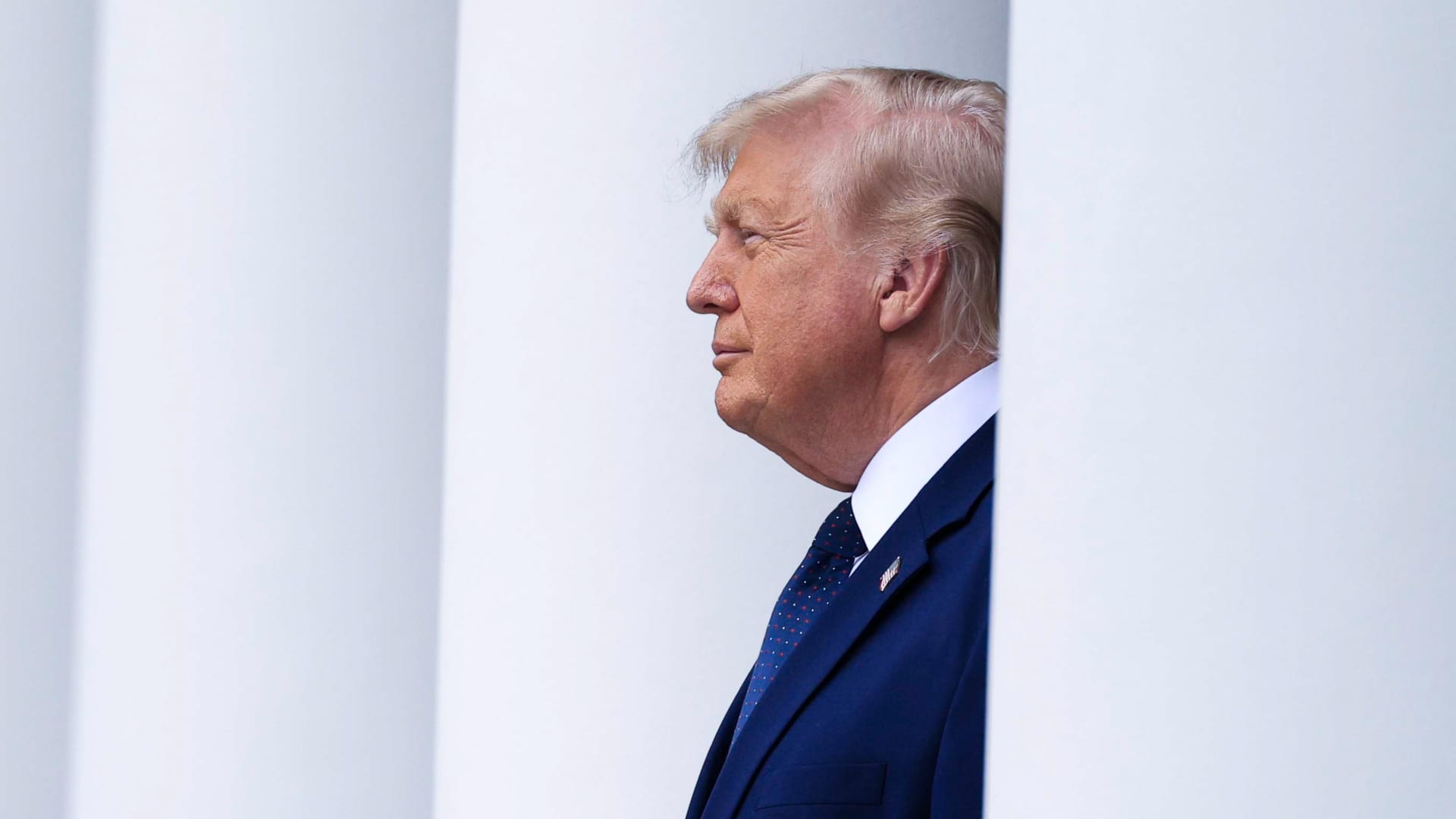
Donald Trump is heading to Turkey for a NATO summit at a moment when the alliance faces two serious strains at once: continued Russian attacks on Ukraine and growing American frustration with European allies over the conflict with Iran.
The timing is pointed. Trump has made little secret of his irritation with NATO members who declined U.S. calls to help clear the Strait of Hormuz during the American campaign against Iran. That refusal has hardened into a recurring grievance, with Trump venting about it frequently and publicly. It feeds a broader question that has shadowed NATO for years: what do allies actually owe each other when the threat does not fit the traditional European theatre?
The Strait of Hormuz is one of the world's most critical oil chokepoints, connecting the Persian Gulf to global shipping lanes. Blocking or mining it can send energy prices sharply higher across Europe and Asia within days. When the U.S. asked NATO partners to contribute to clearing it, most declined, calculating that the Iran campaign was an American-led operation outside NATO's core mandate. Trump's team sees that differently, and the summit in Turkey is likely to surface that tension in some form.
Russia's ongoing attacks on Ukraine give the summit its most urgent backdrop. European members have spent the past several years accelerating defense spending after years of falling short of NATO's two-percent-of-GDP target. That shift is real, but it has not fully closed the gap in credibility with Washington. Trump, who has long questioned the value of the alliance to American interests, arrives with leverage and a list of complaints.
Turkey's role as host adds its own layer of complexity. Ankara has maintained working ties with Moscow throughout the Ukraine conflict, positioning itself as a potential mediator while remaining a formal NATO member. That balancing act has frustrated other allies but also gives Turkey a kind of diplomatic utility that keeps it central to any serious negotiation track involving Russia.
The Iran dimension complicates matters further. NATO was designed around collective defense in the North Atlantic area, and many European governments argued they had no legal or political basis to join a military operation in the Gulf. From Washington's perspective, that reasoning looks like selective commitment. The resulting friction is not just rhetorical. It shapes how seriously European capitals believe the U.S. will honor its Article 5 commitments in return, and how far Trump will push for burden-sharing reforms at this summit.
The practical output of the Turkey summit will matter more than the communique language. Watch for any concrete ask Trump makes of allies on defense spending timelines, Gulf security contributions, or Ukraine aid thresholds. If he ties U.S. commitment to NATO's eastern flank to allied behavior on Iran, that is a significant shift in how the alliance calculates collective risk.
Energy markets are already sensitive to any signal about Hormuz stability. A summit statement that leaves the Gulf burden-sharing question unresolved could keep a risk premium in oil prices, particularly for European importers who depend on Gulf supply routes. Conversely, any agreement that draws NATO closer to out-of-area operations would be a structural change with long-term consequences for how the alliance defines its own scope.
For European governments, the immediate concern is managing Trump's frustration without making a commitment on Gulf operations that their publics and parliaments will not support. For Trump, the summit is an opportunity to extract visible concessions that he can frame as wins. The gap between those two positions is where the real diplomacy happens, away from the cameras in Ankara.
Qatar's foreign ministry said mediators including Qatar, Pakistan, and Oman have reached "very progressive stages" in efforts to end the US-Iran war, pushing Brent crude down more than four percent.
Qatar confirmed it is mediating between the US and Iran but said no direct talks are currently planned. The clarification follows conflicting statements from President Trump, who claimed talks are under way, and Tehran, which denied any dialogue is happening.
Saudi Aramco reported sharply higher second-quarter 2026 profits as the Iran war restricts global oil supply and pushes crude prices up. Other oil supermajors also posted outsized earnings, raising concerns about sustained fuel cost pressure for importing economies.
President Trump called current Iran negotiations the "last chance" to end five months of conflict, pushing oil prices higher. Tehran denied formal talks are taking place, raising the risk of a diplomatic breakdown with direct consequences for global energy markets.