
Qatar Signals Progress in US-Iran War Talks
Qatar's foreign ministry said mediators including Qatar, Pakistan, and Oman have reached "very progressive stages" in efforts to end the US-Iran war, pushing Brent crude down more than four percent.
Key Takeaways
May 7, 2026 · 2 min read · By Rishabh Bhardwaj
·
AI-assisted, human-reviewed · Our editorial standards
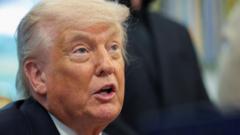
Donald Trump has given the European Union a 4 July deadline to finalise a trade deal, demanding that the bloc drop all tariffs on American goods to zero or face consequences.
Trump framed the deadline around US Independence Day, giving the move a pointed political edge. The ultimatum follows a deal reportedly agreed in principle last year, which Trump is now pressing Brussels to enact formally and in full.
The core ask is a zero-tariff arrangement on American exports entering the EU. The EU currently applies tariffs across a wide range of US goods, from agricultural products to industrial items. A full removal would represent a significant shift in transatlantic trade terms, and one the EU has historically resisted due to pressure from domestic industries and member states with competing interests.
The EU and US have the world's largest bilateral trade relationship, with hundreds of billions of dollars in goods and services crossing the Atlantic each year. Any major change to tariff structures on either side ripples through sectors including cars, food, pharmaceuticals, and machinery.
Trump has used tariff threats as a negotiating tool throughout his presidency, and a hard deadline raises the stakes for EU policymakers heading into summer. The EU operates by consensus across 27 member states, making rapid trade commitments structurally difficult to deliver by a fixed date set by a foreign government.
If the EU does not meet the deadline, Trump could respond with new or escalated tariffs on European goods entering the US. That would increase costs for European exporters and could prompt retaliatory measures from Brussels, unsettling equity markets exposed to transatlantic trade and adding pressure to already-strained EU industrial sectors.
Watch for the EU's formal response and whether member states align quickly or fracture over how to handle the ultimatum. Any signal from Brussels on its willingness to accelerate talks, or push back, will set the tone for transatlantic trade relations through the second half of 2025.
Qatar's foreign ministry said mediators including Qatar, Pakistan, and Oman have reached "very progressive stages" in efforts to end the US-Iran war, pushing Brent crude down more than four percent.
Qatar confirmed it is mediating between the US and Iran but said no direct talks are currently planned. The clarification follows conflicting statements from President Trump, who claimed talks are under way, and Tehran, which denied any dialogue is happening.
Saudi Aramco reported sharply higher second-quarter 2026 profits as the Iran war restricts global oil supply and pushes crude prices up. Other oil supermajors also posted outsized earnings, raising concerns about sustained fuel cost pressure for importing economies.
President Trump called current Iran negotiations the "last chance" to end five months of conflict, pushing oil prices higher. Tehran denied formal talks are taking place, raising the risk of a diplomatic breakdown with direct consequences for global energy markets.