
Qatar Signals Progress in US-Iran War Talks
Qatar's foreign ministry said mediators including Qatar, Pakistan, and Oman have reached "very progressive stages" in efforts to end the US-Iran war, pushing Brent crude down more than four percent.
Key Takeaways
July 11, 2026 · 3 min read · By Rishabh Bhardwaj
·
AI-assisted, human-reviewed · Our editorial standards
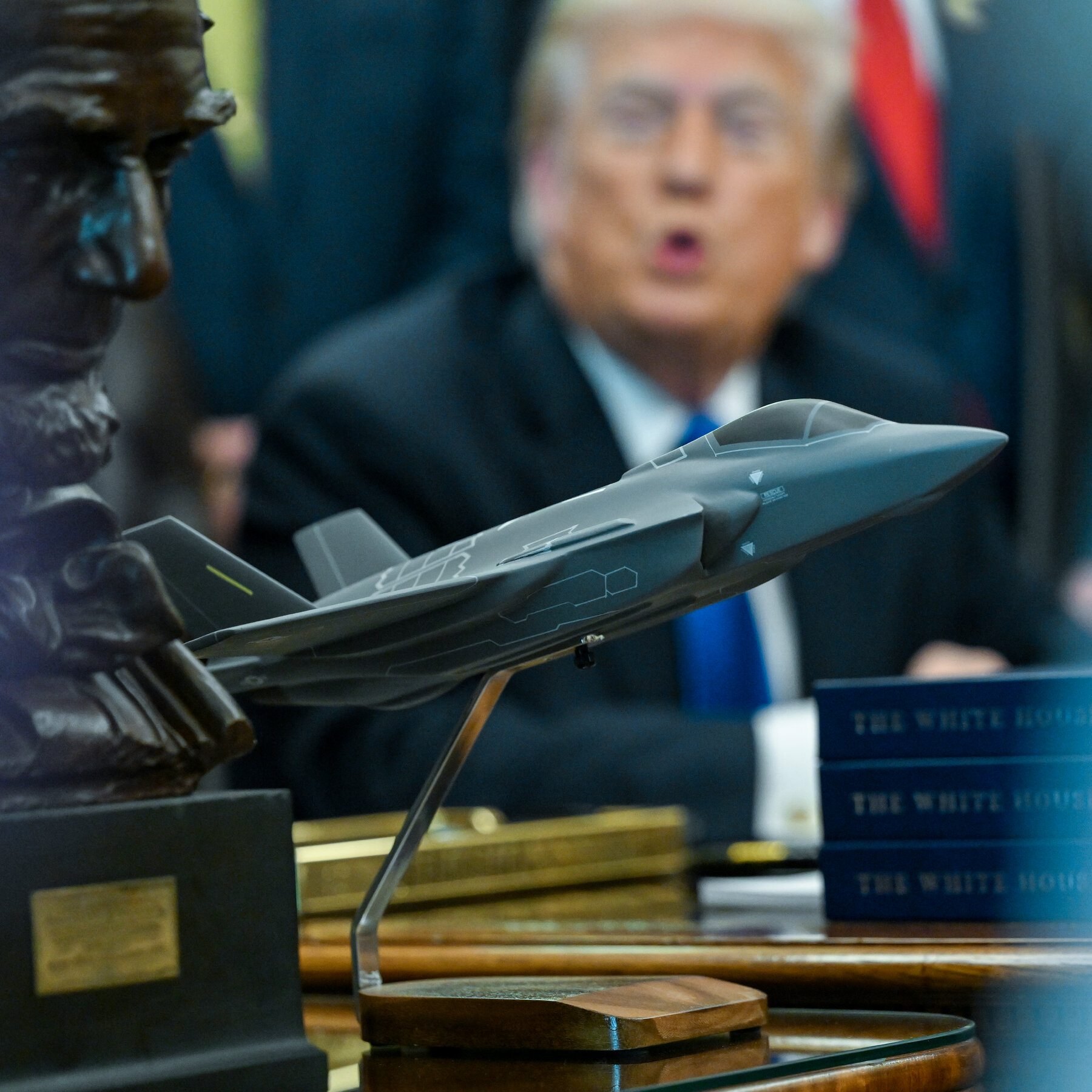
President Trump is expected to tell Turkey this week that he is ready to restore the country's access to F-35 fighter jets, a significant reversal of a ban he imposed himself over fears that Russian intelligence could exploit Turkey's involvement in the program to learn about the aircraft's stealth technology.
The announcement is expected to come during a NATO summit in Ankara, where Trump is traveling this week. The setting is deliberate: restoring Turkey's F-35 access at a NATO gathering signals a broader effort to smooth over one of the alliance's most persistent friction points.
Turkey was originally a manufacturing partner in the F-35 program, producing components for the jets. The United States removed Turkey in 2019 after Ankara purchased the Russian-made S-400 surface-to-air missile system. Washington's core concern was that Russian technicians servicing the S-400 on Turkish soil could gather data on how F-35s operate, effectively giving Moscow a roadmap to detect or counter the aircraft. That concern has not publicly changed, which makes the expected reversal notable.
Turkey sits at a strategically critical position within NATO, controlling access to the Black Sea through the Bosphorus strait and sharing borders with Syria, Iraq, Iran, and Greece. Ankara has at times used its leverage within the alliance to extract concessions, including blocking or delaying NATO membership bids from Sweden and Finland. Restoring F-35 access would be a substantial reward for Turkey and would likely strengthen Erdogan's hand domestically.
For the broader alliance, the move carries a dual reading. On one hand, it could close a long-running rift and improve interoperability between Turkish and allied air forces. On the other hand, critics in Washington and among European allies will ask what has changed to address the original S-400 concern. If Turkey still operates Russian missile hardware alongside NATO systems, the underlying security question remains open.
Trump signaling readiness to restore access is not the same as a completed deal. The actual transfer of F-35s would require congressional notification under U.S. arms export law, and lawmakers who blocked Turkey's access before are likely to scrutinize any new arrangement closely. The S-400 question is central: it is unclear whether Turkey has agreed to mothball, return, or otherwise neutralize the Russian system as a condition of renewed access.
Defense contractors involved in the F-35 supply chain will also be watching. Reinstating Turkey as a buyer would add to Lockheed Martin's order book, though reintegrating a former partner into the program's logistics and support structure takes time. Turkey had sought to buy roughly 100 F-35s before the ban, a contract worth billions of dollars.
The Ankara summit itself will be the immediate focus. Whether Trump makes a formal announcement, outlines conditions, or simply signals intent will shape how quickly any deal can move through the required legal and legislative steps. NATO allies will watch closely to see whether the offer comes with binding security conditions or operates primarily as a diplomatic gesture ahead of an election-year foreign policy push.
Qatar's foreign ministry said mediators including Qatar, Pakistan, and Oman have reached "very progressive stages" in efforts to end the US-Iran war, pushing Brent crude down more than four percent.
Qatar confirmed it is mediating between the US and Iran but said no direct talks are currently planned. The clarification follows conflicting statements from President Trump, who claimed talks are under way, and Tehran, which denied any dialogue is happening.
Saudi Aramco reported sharply higher second-quarter 2026 profits as the Iran war restricts global oil supply and pushes crude prices up. Other oil supermajors also posted outsized earnings, raising concerns about sustained fuel cost pressure for importing economies.
President Trump called current Iran negotiations the "last chance" to end five months of conflict, pushing oil prices higher. Tehran denied formal talks are taking place, raising the risk of a diplomatic breakdown with direct consequences for global energy markets.