
Qatar Signals Progress in US-Iran War Talks
Qatar's foreign ministry said mediators including Qatar, Pakistan, and Oman have reached "very progressive stages" in efforts to end the US-Iran war, pushing Brent crude down more than four percent.
Key Takeaways
July 11, 2026 · 3 min read · By Rishabh Bhardwaj
·
AI-assisted, human-reviewed · Our editorial standards
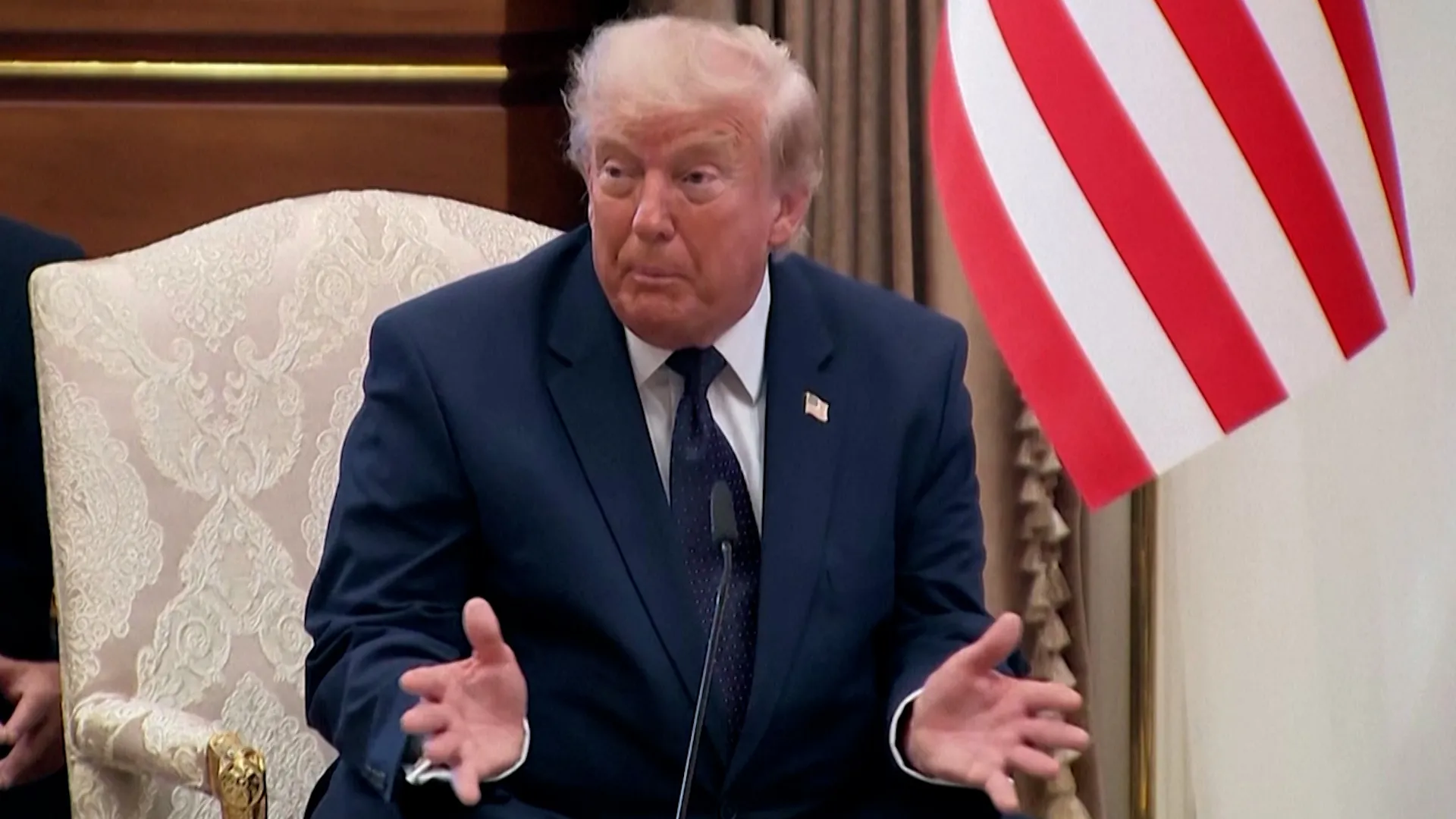
US President Donald Trump has publicly criticised NATO allies for declining to support the United States during its conflict with Iran, sharpening tensions within the Western alliance at a moment when cohesion among member states is already under strain.
Trump's remarks target the broader NATO membership, which has largely stopped short of endorsing or actively backing American military and diplomatic actions against Iran. The criticism signals a deepening rift between Washington and European capitals over how to handle Iran, a fault line that has widened considerably since Trump returned to office.
NATO is, at its core, a collective defence organisation. Member states are bound by Article 5, which treats an attack on one as an attack on all. But that clause applies to armed attacks on member territory, not to conflicts one member initiates or escalates abroad. European allies have historically been cautious about being drawn into US-led confrontations in the Middle East, and the Iran situation is no different.
By going public with his frustration, Trump is applying political pressure on allies rather than working through quiet diplomatic channels. That approach has consequences. It puts European governments in a difficult position: back Washington and risk domestic political backlash, or hold back and face accusations of abandoning the alliance's leading power.
The practical effect is a visible crack in Western unity precisely when Iran and other actors are watching closely. A divided NATO is a weaker negotiating force, and any perception that the US stands largely alone in this conflict could embolden those who benefit from Western disunity.
The key question is whether Trump's public pressure moves any NATO government to shift its position, or whether it hardens European resolve to stay out. Countries like Germany, France, and the UK have each maintained independent foreign policy stances on Iran, including their roles in nuclear diplomacy. None has shown an appetite for being pulled into direct confrontation.
There is also a broader institutional question. Trump has previously threatened to reduce US commitment to NATO over burden-sharing disputes. Linking that long-running grievance to the Iran conflict could intensify pressure on allies, but it also risks further eroding the trust that makes collective defence credible in the first place.
For markets, sustained NATO disunity around a Middle East conflict carries real risk. Oil prices are sensitive to any escalation involving Iran, which sits alongside critical shipping lanes in the Strait of Hormuz. A prolonged or widening conflict, even without direct European involvement, could tighten energy supply and push up costs globally. European economies, still exposed to energy price volatility after years of post-Ukraine adjustment, would feel that pressure acutely.
Watch for formal NATO statements, bilateral communications between Washington and key European capitals, and any shift in the diplomatic posture of the UK, France, or Germany. Their response in the coming days will indicate whether this is a manageable disagreement or the start of a more serious fracture in the alliance.
Qatar's foreign ministry said mediators including Qatar, Pakistan, and Oman have reached "very progressive stages" in efforts to end the US-Iran war, pushing Brent crude down more than four percent.
Qatar confirmed it is mediating between the US and Iran but said no direct talks are currently planned. The clarification follows conflicting statements from President Trump, who claimed talks are under way, and Tehran, which denied any dialogue is happening.
Saudi Aramco reported sharply higher second-quarter 2026 profits as the Iran war restricts global oil supply and pushes crude prices up. Other oil supermajors also posted outsized earnings, raising concerns about sustained fuel cost pressure for importing economies.
President Trump called current Iran negotiations the "last chance" to end five months of conflict, pushing oil prices higher. Tehran denied formal talks are taking place, raising the risk of a diplomatic breakdown with direct consequences for global energy markets.