
Qatar Signals Progress in US-Iran War Talks
Qatar's foreign ministry said mediators including Qatar, Pakistan, and Oman have reached "very progressive stages" in efforts to end the US-Iran war, pushing Brent crude down more than four percent.
Key Takeaways
July 9, 2026 · 3 min read · By Rishabh Bhardwaj
·
AI-assisted, human-reviewed · Our editorial standards
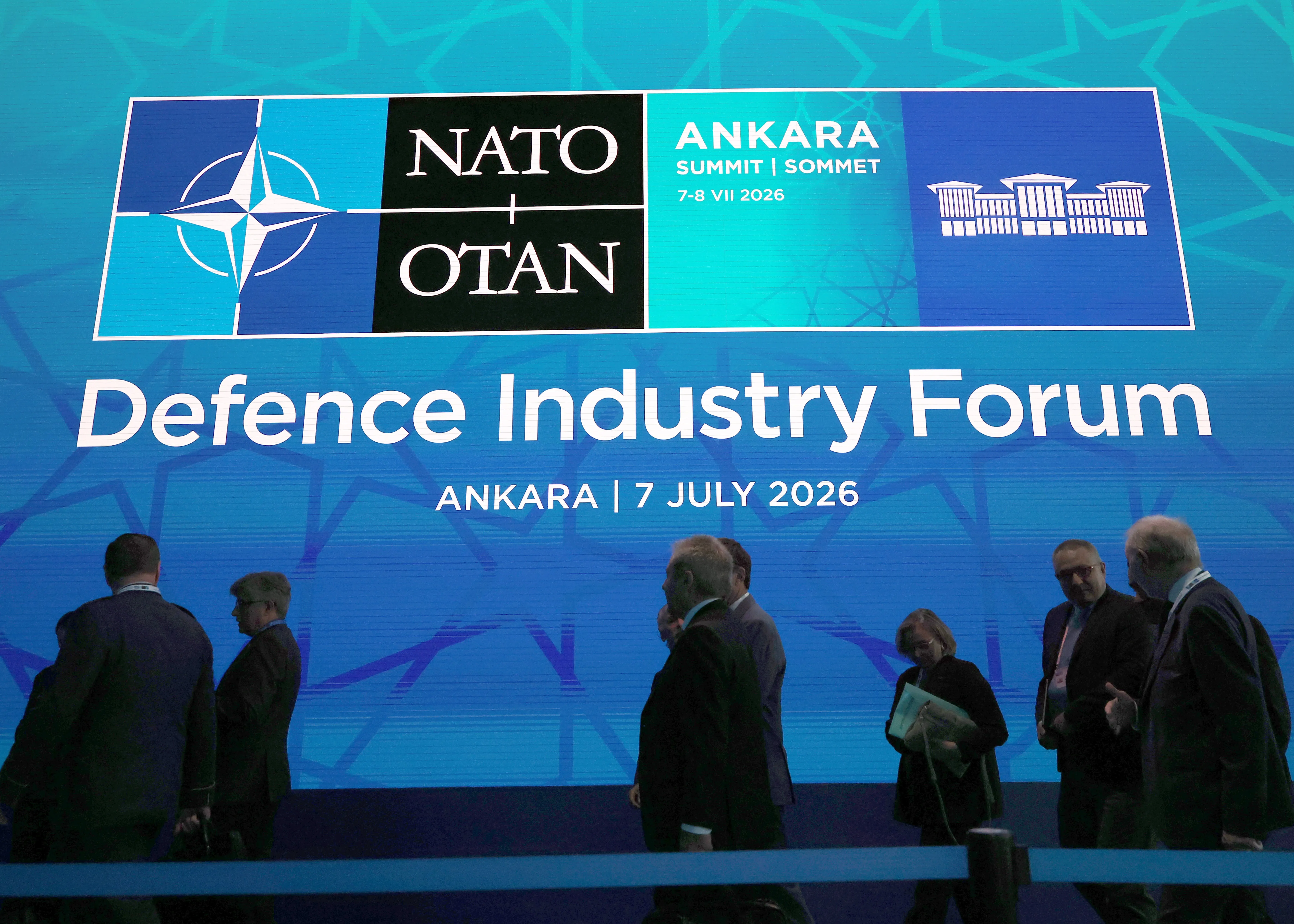
NATO leaders are gathering in Ankara, Turkey, for a summit where defence spending commitments and military support for Ukraine are set to dominate the agenda. U.S. President Donald Trump is attending alongside allied heads of state, making this one of the most consequential NATO meetings in years given ongoing divisions over burden-sharing and the war in Ukraine.
The choice of Ankara as host is itself significant. Turkey, under President Recep Tayyip Erdogan, has long occupied an awkward position inside the alliance, maintaining ties with Russia while formally remaining a NATO member. Hosting the summit gives Erdogan a prominent platform and signals that Turkey's role within the bloc is being actively managed rather than sidelined.
The core argument at this summit is about money. NATO's longstanding benchmark asks member states to spend at least 2% of their GDP on defence. That threshold, once treated as aspirational, has become a political flashpoint under Trump, who has repeatedly pressured European allies to spend more and has questioned the U.S. commitment to defending members who fall short.
Ahead of the Ankara meeting, several European governments accelerated defence budget announcements, partly to arrive at the table with credible numbers. The pressure is working in a narrow sense: more members are now hitting or exceeding the 2% target than at any point in the alliance's recent history. But the gap between announced spending plans and actual deployed capability remains a live debate inside NATO councils.
The broader stakes are economic as much as military. Defence budget increases across Europe are reshaping industrial policy, driving procurement contracts, and redirecting government borrowing. Countries that move fastest on spending will gain strategic leverage inside the alliance and attract defence industry investment. Those that lag face political exposure with Washington.
Support for Ukraine is the second major axis of the summit. NATO members have supplied weapons, ammunition, and training since Russia's full-scale invasion in February 2022, but the pace and composition of that support has varied widely. Ukraine continues to push for longer-range systems, air defence capability, and firmer commitments on future membership.
Trump's position on Ukraine has been the central uncertainty hanging over this summit. His administration has at times signalled a preference for a negotiated settlement and has paused or conditioned some U.S. military assistance. European allies, particularly those bordering Russia, have pushed for stronger and more unconditional commitments. Whether the summit produces a unified statement on Ukraine's long-term security path, or leaves that question deliberately vague, will be the key diplomatic result to watch.
NATO membership for Ukraine is not expected to be formally offered at Ankara, but the language around it matters. Even incremental shifts in how the alliance frames Ukraine's future, whether through bilateral security guarantees, enhanced partnership status, or firmer timelines, carry real consequences for Kyiv's negotiating position and for Russian calculations.
For markets, the summit's outcomes carry direct relevance. A stronger-than-expected unity signal on Ukraine support could firm up European defence stocks and reassure bond markets in frontline states. A fudged or divided communique would do the opposite, raising questions about alliance cohesion at a moment when that cohesion is being tested by both the war and by Washington's unpredictability.
Watch for the final summit communique's exact wording on Ukraine membership, any new spending pledges above the 2% floor, and whether Trump makes any solo statements that break from the agreed text. Those three signals will tell the clearest story about where the alliance actually stands.
Qatar's foreign ministry said mediators including Qatar, Pakistan, and Oman have reached "very progressive stages" in efforts to end the US-Iran war, pushing Brent crude down more than four percent.
Qatar confirmed it is mediating between the US and Iran but said no direct talks are currently planned. The clarification follows conflicting statements from President Trump, who claimed talks are under way, and Tehran, which denied any dialogue is happening.
Saudi Aramco reported sharply higher second-quarter 2026 profits as the Iran war restricts global oil supply and pushes crude prices up. Other oil supermajors also posted outsized earnings, raising concerns about sustained fuel cost pressure for importing economies.
President Trump called current Iran negotiations the "last chance" to end five months of conflict, pushing oil prices higher. Tehran denied formal talks are taking place, raising the risk of a diplomatic breakdown with direct consequences for global energy markets.